





Cameraria nemoris
Cameraria nemoris
Cameraria nemoris ist eine winzige Motte, die sich gerne in Bäumen versteckt. Ihre schönen Flügel sind oft braun und verschmelzen mit der Rinde, was sie schwer zu entdecken macht!
Lebensraum: Wälder
Cameraria nemoris ist eine winzige Motte, normalerweise 2-4 mm lang, mit schlanken Körpern und einer Flügelspannweite von 4-8 mm. Ihre Vorderflügel sind gesprenkelt mit schimmernden braunen, grauen und weißen Schuppen, die oft undeutliche Muster bilden. Im Gegensatz zu vielen größeren Motten sind ihre winzige Größe und ihr zartes Aussehen ihre auffälligsten visuellen Merkmale.
Kategorie
InsektenSeltenheit
Common
Gefahr
1/5 · Sehr gering
Snaps
Mach den ersten Snap!
Ihr wissenschaftlicher Name 'nemoris' bedeutet 'des Waldes', perfekt für ihren Lebensraum!
Manche Cameraria nemoris Motten sind so klein, dass man eine Lupe brauchen könnte, um sie zu sehen!
Diese winzigen Motten leben oft heimlich ihr ganzes Raupenleben lang in Baumblättern!
Wenn Cameraria nemoris Raupen fressen, hinterlassen sie coole Kringelmuster auf Blättern!
Cameraria nemoris Larven können Tunnel in Baumblättern formen, da dieses Verhalten ihnen hilft, sich zu ernähren und vor hungrigen Fressfeinden versteckt zu bleiben.
Cameraria nemoris hat gesprenkelte Flügel, die ihr helfen, nahtlos mit Baumrinde oder abgestorbenen Blättern zu verschmelzen, was sie vor scharfsichtigen Vögeln schützt.
Cameraria nemoris kann ihren Lebenszyklus schnell abschließen und mehrere Generationen pro Jahr hervorbringen, was ihr hilft zu gedeihen.
Cameraria nemoris Larven knabbern am saftigen Inneren von Eichenblättern.
Altersunterschiede: Erwachsene Motten fressen nicht, während Larven ausschließlich Blattgewebe konsumieren.
Quercus alba
Larven ernähren sich ausschließlich von ihren Blättern.
Poecile carolinensis
Winzige Motten und Larven sind eine Nahrungsquelle für Vögel.
Pnigalio flavipes
Larven werden von parasitischen Wespen angegriffen.
Einzelgänger leben den größten Teil ihres Lebens allein und interagieren mit Artgenossen nur zur Paarung oder zur Aufzucht der Jungen.
Beschreibt Pflanzen, die für eine Vielzahl von bestäubenden Organismen besonders attraktiv und nützlich sind.
Getarnt beschreibt Organismen, die über eine Färbung oder Musterung verfügen, durch die sie mit ihrer Umgebung verschmelzen.
Dieses Merkmal kennzeichnet Lebewesen, deren Ernährung vollständig oder hauptsächlich aus pflanzlichem Material besteht.

Waldlebensräume sind terrestrische Lebensräume, die von dichtem Baumbestand dominiert werden und eine große Vielfalt an Pflanzen- und Tierarten beherbergen.

Bezieht sich auf Arten, die deutlich kleiner sind als der Durchschnitt oder das Typische ihrer Art.

Nachtaktive Tiere sind hauptsächlich in den Nachtstunden aktiv und ruhen oder schlafen normalerweise tagsüber.

Beschreibt Organismen, die Pollen übertragen und so die Befruchtung und Fortpflanzung von Pflanzen ermöglichen.
Noch keine Alternativnamen vorhanden.
Gefahr
1/5 · Sehr gering
Motten sind normalerweise harmlos, aber es ist am besten, sie nur anzuschauen und nicht zu berühren.
Der einfachste Weg, Cameraria nemoris zu bestimmen, ist die Verwendung der Naturführer-App Snappit.
4-8 mm
2-4 mm
7-14 Tage
Cameraria nemoris Larven knabbern am saftigen Inneren von Eichenblättern.
Wälder
Weiden
6
Zoome hinein, um Cluster aufzulösen und zu sehen, wo dieses Objekt fotografiert wurde.
Neueste Snaps erscheinen hier, wenn neue Beobachtungen hinzukommen.

British Columbia, CA
Hier kann man sehen Salal, Immergrüne Huckleberry und Douglasie.
Führer anzeigen →
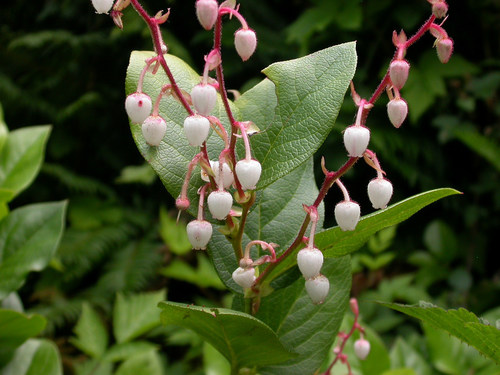
British Columbia, CA
Hier kann man sehen Salal, Kleiner Bodenzapfen und Immergrüne Huckleberry.
Führer anzeigen →
Nimm die Entdeckung mit
Fotografiere deinen Fund mit Snappit, bestimme die Art und füge die Entdeckung deiner Sammlung hinzu.








.jpg&width=800)



