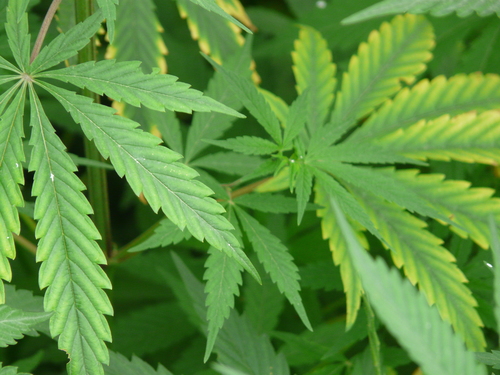


Cannabis
cannabis sativa
Cannabis sativa ist eine der ältesten und vielseitigsten Begleitpflanzen der Menschheit, die seit Tausenden von Jahren in verschiedenen Kulturen verehrt wird. Als einjährige krautige Pflanze ist sie bekannt für ihre vielseitige Nützlichkeit, die langlebige industrielle Hanffasern, nahrhafte essbare Samen und komplexe sekundäre Metaboliten liefert. Diese bemerkenswerte Pflanze zeichnet sich durch ein ausgeklügeltes chemisches Profil aus, das über hundert verschiedene Cannabinoide, einschließlich THC und CBD, in ihren spezialisierten Drüsenstrukturen produziert. In freier Wildbahn wächst sie kräftig und passt sich an eine Vielzahl von Klimazonen an, von gemäßigten Zonen bis zu tropischen Regionen. Ihre historische Reise an der Seite der menschlichen Zivilisation hat sie zu einer globalen Ikone der Botanik, Landwirtschaft und Medizin gemacht, die kontinuierlich Industrien prägt und weltweit wissenschaftliche Neugier weckt.
Lebensraum: Gedeiht typischerweise in offenen, sonnenverwöhnten Umgebungen mit gut durchlässigen, nährstoffreichen Böden, wie Flussufern, Ackerrändern und gestörten Gebieten.
Cannabis sativa ist leicht an ihren charakteristischen handförmigen Blättern zu erkennen, die fünf bis neun schmale, lanzettförmige Blättchen mit scharf gesägten Rändern aufweisen. Die Pflanze kann recht hoch wachsen und erreicht Höhen von mehreren Metern, mit einem kräftigen, aufrechten und etwas faserigen Stamm. Das Laub ist ein sattes, leuchtendes Grün, und die gesamte Pflanze ist mit winzigen, klebrigen Drüsenhaaren, den Trichomen, bedeckt, die ihr einen kristallinen Glanz und einen starken, aromatischen Duft verleihen. Als zweihäusige Art produzieren männliche Pflanzen lockere, hängende Büschel kleiner, hellgrüner Blütenknospen, während weibliche Pflanzen dichte, eng gepackte, blättrige Ähren hervorbringen, die in klebrigen grünen Hochblättern eingebettet sind.
Kategorie
PflanzenSeltenheit
Common
Gefahr
1/5 · Sehr gering
Snaps
1
Cannabis wurde in Tschernobyl eingesetzt, um radioaktiv verseuchten Boden durch einen Prozess namens Phytosanierung zu reinigen.
Der älteste physische Nachweis menschlichen Cannabiskonsums stammt aus über 2.500 Jahren im westlichen China, wo es in rituellen Zeremonien verwendet wurde.
Im Gegensatz zu vielen Blütenpflanzen ist Cannabis hauptsächlich windbestäubt und verlässt sich auf den Wind und nicht auf Insekten, um seinen Pollen zu verbreiten.
Als photosynthetische Pflanze synthetisiert sie ihre eigenen organischen Verbindungen unter Verwendung von Sonnenlicht, Kohlendioxid, Wasser und Bodennährstoffen.
Altersunterschiede: Keimlinge verlassen sich auf die Energievorräte der Keimblätter, bevor sie schnell Wurzeln und Blätter entwickeln, um zur vollständigen autotrophen Photosynthese überzugehen.
Ostrinia nubilalis
Ein häufiger Schädlingsinsekt, das die Blätter und Stängel der Pflanze frisst.
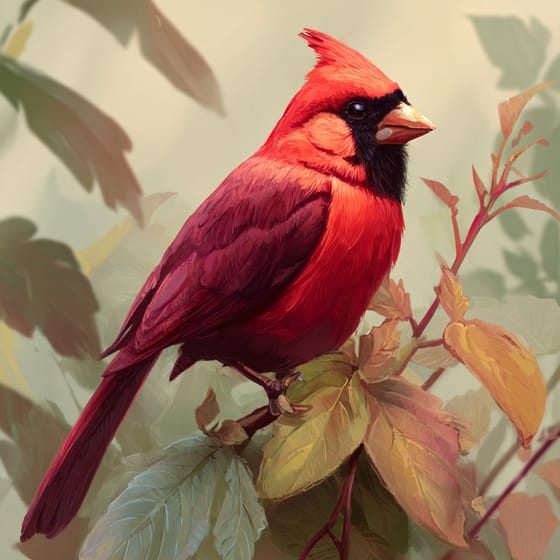
Cardinalis cardinalis
Bietet Samenfresservögeln im Spätherbst und Winter eine Nahrungsquelle.
Podosphaera macularis
Ein parasitärer Pilz, der echten Mehltau auf den Blättern verursacht und die Pflanzengesundheit beeinträchtigt.
Für dieses Objekt sind noch keine Merkmal-Badges vergeben.
Noch keine Alternativnamen vorhanden.
Sammlungen für dieses Objekt erscheinen hier, wenn weitere Themen hinzugefügt werden.
Gefahr
1/5 · Sehr gering
Noch keine besonderen Sicherheitshinweise.
Der einfachste Weg, Cannabis zu bestimmen, ist die Verwendung der Naturführer-App Snappit.
100-500 cm
0.1-3 kg
1 Jahre
Als photosynthetische Pflanze synthetisiert sie ihre eigenen organischen Verbindungen unter Verwendung von Sonnenlicht, Kohlendioxid, Wasser und Bodennährstoffen.
Gedeiht typischerweise in offenen, sonnenverwöhnten Umgebungen mit gut durchlässigen, nährstoffreichen Böden, wie Flussufern, Ackerrändern und gestörten Gebieten.
Photosynthese
Zoome hinein, um Cluster aufzulösen und zu sehen, wo dieses Objekt fotografiert wurde.
Nimm die Entdeckung mit
Fotografiere deinen Fund mit Snappit, bestimme die Art und füge die Entdeckung deiner Sammlung hinzu.












.jpg&width=800)



_001.jpg&width=800)




