





Chrysaster ostensackenella
Chrysaster ostensackenella
Chrysaster ostensackenella ist ein kleiner, bunter Nachtfalter, der in Gärten und auf Feldern herumflattert. Seine leuchtenden Farben helfen ihm, sich an Blumen anzupassen, was ihn zu einem reizvollen Anblick für Naturliebhaber macht!
Lebensraum: Gärten und Felder
Die Chrysaster ostensackenella ist ein winziger Nachtfalter mit einem weißen Kopf und glänzenden, goldbronzefarbenen Vorderflügeln. Diese Flügel sind mit markanten silbrig-weißen Bändern und einem kontrastierenden schwarzen Fleck nahe der Spitze verziert. Ihre schmalen, gefransten Flügel heben sie von den meisten größeren Nachtfaltern ab.
Kategorie
InsektenSeltenheit
Common
Gefahr
1/5 · Sehr gering
Snaps
Mach den ersten Snap!
Babynachtfalter leben *in* Blättern, sicher vor vielen hungrigen Kreaturen!
Ihre Flügel funkeln wie winzige Juwelen und reflektieren Licht in einem schillernden Schauspiel!
Der Name des Nachtfalters ehrt Baron Osten Sacken, einen berühmten Insektenwissenschaftler!
Diese winzigen fliegenden Wunder sind kleiner als ein Bleistiftradiergummi!
Die Larven von Chrysaster ostensackenella können präzise in Ahornblättern Gänge graben und so ein schützendes Zuhause und eine Nahrungsquelle schaffen. Dies schützt sie vor Raubtieren.
Dieser Nachtfalter hat schillernde metallisch-goldbronzene Flügel, die Licht reflektieren und ihm helfen, sich in sonnendurchflutetem Laub zu tarnen und hungrigen Augen zu entgehen.
Chrysaster ostensackenella kann ihren Lebenszyklus schnell vollenden, wodurch mehrere Generationen innerhalb einer warmen Jahreszeit schlüpfen und gedeihen können.
Larven fressen Ahornblätter von innen, während adulte Tiere süßen Blütennektar saugen.
Altersunterschiede: Larven ernähren sich ausschließlich von Pflanzenblättern, aber adulte Tiere wechseln zum Nektarsaugen aus Blüten.
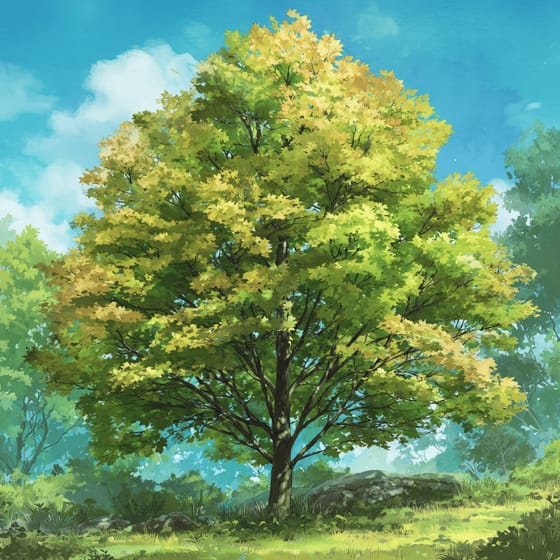
Acer saccharum
Larven graben Gänge und ernähren sich in seinen Blättern.
Poecile atricapillus
Ein kleiner Vogel, der oft Nachtfalter und Larven jagt.
Cotesia congregata
Weibliche Wespen legen Eier auf Larven, die dann darin wachsen.
Einzelgänger leben den größten Teil ihres Lebens allein und interagieren mit Artgenossen nur zur Paarung oder zur Aufzucht der Jungen.
Beschreibt Pflanzen, die für eine Vielzahl von bestäubenden Organismen besonders attraktiv und nützlich sind.
Farbenfroh beschreibt Organismen oder Objekte, die eine große Vielfalt an leuchtenden und deutlich erkennbaren Farben aufweisen.
Grasland-Lebensräume sind terrestrische Biome, die von Gräsern und krautigen Pflanzen dominiert werden und einer Vielzahl von Weidetieren als Lebensraum dienen.

Dieses Merkmal kennzeichnet Lebewesen, deren Ernährung vollständig oder hauptsächlich aus pflanzlichem Material besteht.

Nachtaktive Tiere sind hauptsächlich in den Nachtstunden aktiv und ruhen oder schlafen normalerweise tagsüber.

Beschreibt Organismen, die Pollen übertragen und so die Befruchtung und Fortpflanzung von Pflanzen ermöglichen.
Noch keine Alternativnamen vorhanden.
Gefahr
1/5 · Sehr gering
Nachtfalter sind sanfte Kreaturen, aber es ist am besten, sie aus der Ferne zu beobachten.
Der einfachste Weg, Chrysaster ostensackenella zu bestimmen, ist die Verwendung der Naturführer-App Snappit.
4-6 mm
4-6 mm
3-7 Tage
Larven fressen Ahornblätter von innen, während adulte Tiere süßen Blütennektar saugen.
Gärten und Felder
Nahrungssuche
6
Zoome hinein, um Cluster aufzulösen und zu sehen, wo dieses Objekt fotografiert wurde.
Neueste Snaps erscheinen hier, wenn neue Beobachtungen hinzukommen.
Nimm die Entdeckung mit
Fotografiere deinen Fund mit Snappit, bestimme die Art und füge die Entdeckung deiner Sammlung hinzu.







.jpg&width=800)



