

Chuparosa
justicia californica
Die Chuparosa (Justicia californica) ist ein auffälliger, ausdauernder Wüstenstrauch, der in der Sonora-Wüste des südwestlichen Teils der Vereinigten Staaten und Nordmexikos heimisch ist. Diese widerstandsfähige Pflanze wächst in verästelten, ausladenden Büscheln und ist bekannt für ihre leuchtenden, röhrenförmigen roten Blüten, die sich brillant von der ariden Landschaft abheben. Da sie stark an Trockenheit angepasst ist, wirft die Chuparosa häufig ihre Blätter ab und präsentiert sich als eine Masse sukkulentenartiger graugrüner Stängel, die selbst in den härtesten Trockenzeiten weiter Photosynthese betreiben. Diese Art spielt eine entscheidende ökologische Rolle in ihrem heimischen Wüstenlebensraum, indem sie eine unschätzbare Nektarquelle für Kolibris darstellt, die ihre primären Bestäuber sind.
Lebensraum: Vorkommend in Wüsten-Wadis, felsigen Canyons und sandigen Hängen unterhalb von 1.000 Metern Höhe in ariden Regionen.
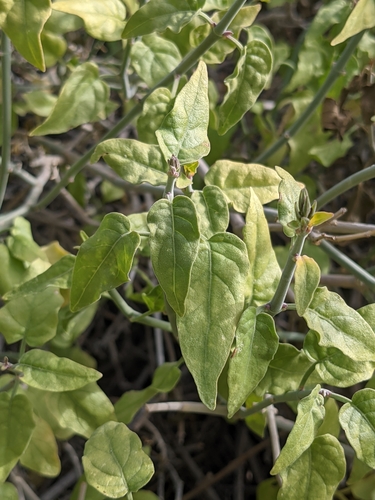
Ein laubabwerfender, mehrfach verzweigter Strauch, der Höhen von bis zu 150 cm erreicht und durch ein dichtes, gerundetes Gewirr aus sukkulentenartigen, matt graugrünen Stängeln gekennzeichnet ist. Seine Blätter sind klein, oval und spärlich, erscheinen kurz nach Regenfällen und fallen dann ab. Das auffälligste Merkmal ist die Fülle an röhrenförmigen, zweilippigen Blüten, die 2 bis 3 cm lang sind, in brillanten Farbtönen von feuerrot, orange oder gelegentlich gelb gefärbt sind und sich entlang der Zweige gruppieren.
Kategorie
PflanzenSeltenheit
Gewöhnlich
Gefahr
1/5 · Sehr gering
Snaps
Mach den ersten Snap!
Da sie ihre Blätter abwirft, um Dürre zu überleben, ist diese Pflanze während der meisten ihrer aktiven Blüh- und Wachstumszyklen funktionell blattlos.
Der gebräuchliche Name „Chuparosa“ ist eine regionale spanische Umgangssprache, die „Kolibri“ bedeutet, eine Anspielung auf die Vögel, die die Pflanze ständig umschwärmen.
Die süß schmeckenden Blüten sind vollständig essbar und haben einen milden Geschmack, der an frische Gurke erinnert.
Stellt ihre eigene Nahrung her, indem sie Sonnenenergie und Kohlendioxid aufnimmt, während sie essenzielles Wasser und mineralische Nährstoffe über ihr Wurzelsystem aufnimmt.
Für dieses Objekt sind noch keine Merkmal-Badges vergeben.
Noch keine Alternativnamen vorhanden.
Sammlungen für dieses Objekt erscheinen hier, wenn weitere Themen hinzugefügt werden.
Gefahr
1/5 · Sehr gering
Noch keine besonderen Sicherheitshinweise.
Beginne mit der ganzen Pflanze und vergleiche dann Blattstellung, Blattränder, Stängel und eventuelle Blüten oder Früchte. Gegenständige Blätter wachsen paarweise, wechselständige einzeln am Stängel. Zusammen verraten diese Details weit mehr als ein einzelnes grünes Blatt. Pflanzen bestimmen: Lade ein Foto hoch und vergleiche die sichtbaren Merkmale.
100-150 cm
15-50 Jahre
Stellt ihre eigene Nahrung her, indem sie Sonnenenergie und Kohlendioxid aufnimmt, während sie essenzielles Wasser und mineralische Nährstoffe über ihr Wurzelsystem aufnimmt.
Vorkommend in Wüsten-Wadis, felsigen Canyons und sandigen Hängen unterhalb von 1.000 Metern Höhe in ariden Regionen.
Photosynthese
Zoome hinein, um Cluster aufzulösen und zu sehen, wo dieses Objekt fotografiert wurde.
Neueste Snaps erscheinen hier, wenn neue Beobachtungen hinzukommen.

Arizona, US
Hier kann man sehen Chuparosa, Wüstendrossling und Amerikanische Trixis.
Führer anzeigen →

California, US
Hier kann man sehen Kreosotbusch, Brittlebush und Biber-Opuntie.
Führer anzeigen →
Nimm die Entdeckung mit
Fotografiere deinen Fund mit Snappit, bestimme die Art und füge die Entdeckung deiner Sammlung hinzu.