





Dama-Gazelle
nanger dama
Die Dama-Gazelle ist bekannt für ihr anmutiges Aussehen und ihre langen Beine. Diese wunderschönen Tiere können sehr schnell rennen und lieben es, über die offenen Graslandschaften zu springen!
Lebensraum: Sie leben in den Graslandschaften und Savannen Nordafrikas.
Die Dama-Gazelle hat ein auffälliges rotbraunes Fell auf Rücken und Seiten, das scharf mit einem reinweißen Bauch, Hinterteil und Beinen kontrastiert. Sie weist einen deutlichen weißen Fleck auf, der sich über ihr Gesicht erstreckt, oft von einer rotbraunen Stirn begrenzt, und schlanke, S-förmige schwarze Hörner.
Kategorie
SäugetiereSeltenheit
Rare
Gefahr
0/5 · Keine bekannte Gefahr
Snaps
Mach den ersten Snap!
Ein junges Dama-Gazellenkitz kann Stunden nach der Geburt stehen und rennen!
Dama-Gazellen sind die größte Gazellenart der Welt, was sie besonders macht.
Jede Gazelle hat einzigartige Hornringe, ähnlich Baumringen, die Wissenschaftlern helfen können, ihr Alter zu schätzen!
Sie nutzen einen einzigartigen „Stotting“-Sprung, bei dem alle vier Beine gleichzeitig den Boden verlassen!
Die Dama-Gazelle kann dank ihrer langen, schlanken Beine und kräftigen Muskeln, die ihr bei der Flucht vor Raubtieren helfen, unglaublich schnell rennen, bis zu 75 km/h.
Die Dama-Gazelle verfügt über eine spezielle Anpassung, um lange Perioden ohne Trinkwasser zu überleben, indem sie die gesamte benötigte Feuchtigkeit aus den Pflanzen aufnimmt, die sie frisst.
Die Dama-Gazelle hat große, bewegliche Ohren, die ihr helfen, leise Geräusche aus der Ferne wahrzunehmen, wodurch sie sich schnell nähernde Raubtiere erkennen kann.
Diese Pflanzenfresser knabbern an Gräsern, Blättern und Sträuchern und beziehen alle Nährstoffe aus Pflanzen.
Panthera leo
Löwen sind Spitzenprädatoren, die Dama-Gazellen in ihren gemeinsamen Lebensräumen jagen.
Acinonyx jubatus
Geparden, bekannt für ihre Geschwindigkeit, jagen häufig Dama-Gazellen.

Lycaon pictus
Rudeljagdende Wildhunde jagen Dama-Gazellen und nutzen Teamwork, um sie zu verfolgen.
Acacia tortilis
Gazellen äsen an den Blättern und Schoten von Akazienbäumen.
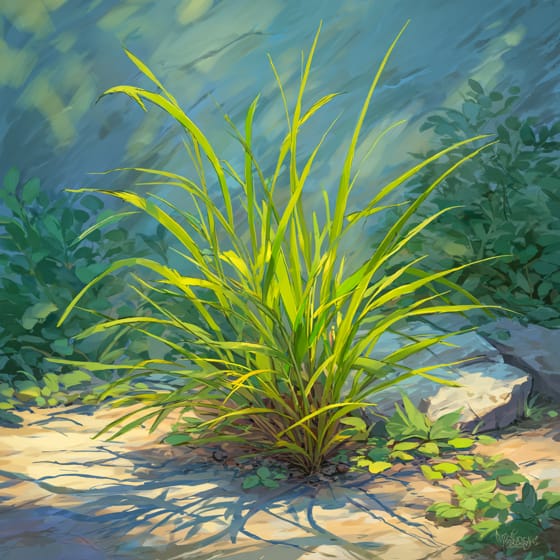
Cenchrus ciliaris
Eine häufige Grasart, die Dama-Gazellen als Nahrung weiden.
Pelzig beschreibt Tiere, die eine dichte Schicht aus weichen Haaren oder Fell besitzen.
Soziale Tiere leben in organisierten Gruppen und kooperieren, um ihr Überleben zu sichern, beispielsweise bei der Nahrungssuche, Verteidigung und Aufzucht der Jungen.
Dieses Merkmal kennzeichnet Lebewesen, deren Ernährung vollständig oder hauptsächlich aus pflanzlichem Material besteht.
Tagaktive Tiere sind hauptsächlich bei Tageslicht aktiv und ruhen oder schlafen in der Regel nachts.

Der Status 'Stark gefährdet' bedeutet, dass eine Art in naher Zukunft einem sehr hohen Risiko ausgesetzt ist, in freier Wildbahn auszusterben.
Gefahr
0/5 · Keine bekannte Gefahr
Noch keine besonderen Sicherheitshinweise.
Der einfachste Weg, Dama-Gazelle zu bestimmen, ist die Verwendung der Naturführer-App Snappit.
140-165 cm
35-75 kg
10-18 Jahre
75 km/h
Diese Pflanzenfresser knabbern an Gräsern, Blättern und Sträuchern und beziehen alle Nährstoffe aus Pflanzen.
Sie leben in den Graslandschaften und Savannen Nordafrikas.
Weiden
Zoome hinein, um Cluster aufzulösen und zu sehen, wo dieses Objekt fotografiert wurde.
Neueste Snaps erscheinen hier, wenn neue Beobachtungen hinzukommen.
Nimm die Entdeckung mit
Fotografiere deinen Fund mit Snappit, bestimme die Art und füge die Entdeckung deiner Sammlung hinzu.




.jpg&width=800)



.JPG&width=800)


.jpg&width=800)
