





Dasychira
Dasychira
Dasychira ist eine Schmetterlingsart, die für ihr flauschiges, weiches Aussehen bekannt ist. Diese Insekten sind oft nachts flatternd zu sehen, was sie zu einem besonderen Anblick in Gärten und Wäldern macht.
Lebensraum: Wälder
Der Dasychira-Nachtfalter ist typischerweise ein mittelgroßes Insekt mit flaumigen Körpern und Flügeln in Grau-, Braun- oder Weißtönen, oft mit subtilen Mustern. Seine Raupen sind unverwechselbar, gewöhnlich mit dichten Büscheln borstiger Haare bedeckt und manchmal leuchtend gefärbt.
Kategorie
InsektenSeltenheit
Common
Gefahr
1/5 · Sehr gering
Snaps
Mach den ersten Snap!
Erwachsene Dasychira-Falter haben gefiederte Fühler, um Partner aus der Ferne aufzuspüren.
Nach dem Schlüpfen fressen Dasychira-Raupen fast ständig, um groß und stark zu werden.
Einige Dasychira-Raupen sehen aus wie Vogelkot, um hungrige Raubtiere zu täuschen!
Wenn es Zeit ist, sich zu verwandeln, spinnen sie einen Seidenschlafsack, der Kokon genannt wird!
Dasychira-Raupen haben reizende Haare, die Raubtiere davon abhalten, sie zu fressen.
Dasychira-Raupen können sich in ihrer Umgebung tarnen und ahmen oft Zweige oder Vogelkot nach.
Erwachsene Dasychira-Falter haben breite, beschuppte Flügel, die einen leisen, effektiven Nachtflug zur Partnersuche ermöglichen.
Dasychira-Raupen knabbern an Pflanzenblättern, während die erwachsenen Falter normalerweise überhaupt nichts fressen!
Altersunterschiede: Raupen ernähren sich von Pflanzenblättern; erwachsene Falter fressen oft nicht und konzentrieren sich auf die Fortpflanzung.
%2C_Parc_de_Woluw%C3%A9%2C_Brussels_(13042792905).jpg&width=800)
Parus major
Vögel jagen oft Larven.
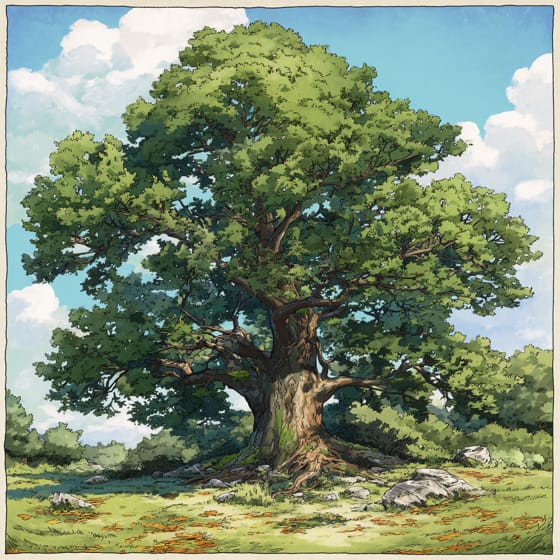
Quercus robur
Raupen fressen ihre Blätter.
Myotis lucifugus
Fledermäuse jagen fliegende erwachsene Falter.
Cotesia glomerata
Wespenlarven ernähren sich in Raupen.
Pelzig beschreibt Tiere, die eine dichte Schicht aus weichen Haaren oder Fell besitzen.
Einzelgänger leben den größten Teil ihres Lebens allein und interagieren mit Artgenossen nur zur Paarung oder zur Aufzucht der Jungen.
Farbenfroh beschreibt Organismen oder Objekte, die eine große Vielfalt an leuchtenden und deutlich erkennbaren Farben aufweisen.
Getarnt beschreibt Organismen, die über eine Färbung oder Musterung verfügen, durch die sie mit ihrer Umgebung verschmelzen.

Dieses Merkmal kennzeichnet Lebewesen, deren Ernährung vollständig oder hauptsächlich aus pflanzlichem Material besteht.

Waldlebensräume sind terrestrische Lebensräume, die von dichtem Baumbestand dominiert werden und eine große Vielfalt an Pflanzen- und Tierarten beherbergen.

Nachtaktive Tiere sind hauptsächlich in den Nachtstunden aktiv und ruhen oder schlafen normalerweise tagsüber.

Beschreibt Organismen, die Pollen übertragen und so die Befruchtung und Fortpflanzung von Pflanzen ermöglichen.
Noch keine Alternativnamen vorhanden.
Gefahr
1/5 · Sehr gering
Motten sind normalerweise sicher zu beobachten, aber berühren Sie sie nicht, da sie empfindlich sein können.
Der einfachste Weg, Dasychira zu bestimmen, ist die Verwendung der Naturführer-App Snappit.
25-60 mm
15-30 mm
7-21 Tage
5-15 km/h
Dasychira-Raupen knabbern an Pflanzenblättern, während die erwachsenen Falter normalerweise überhaupt nichts fressen!
Wälder
Futtersuche
Zoome hinein, um Cluster aufzulösen und zu sehen, wo dieses Objekt fotografiert wurde.
Neueste Snaps erscheinen hier, wenn neue Beobachtungen hinzukommen.
Nimm die Entdeckung mit
Fotografiere deinen Fund mit Snappit, bestimme die Art und füge die Entdeckung deiner Sammlung hinzu.







.jpg&width=800)


