




Diacrodon Compressus
diacrodon compressus
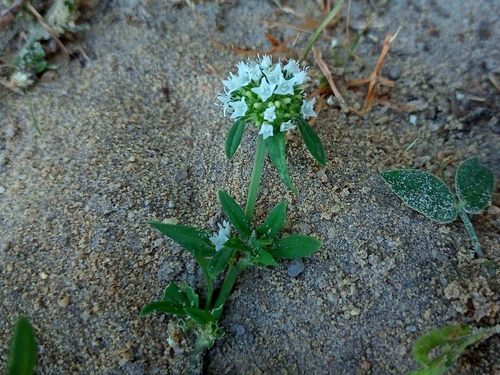
Diacrodon compressus ist eine widerstandsfähige, niedrig wachsende krautige Pflanze oder ein Halbstrauch, heimisch in den semi-ariden Regionen Brasiliens, besonders in den Biomen Caatinga und Cerrado. Diese spezialisierte Pflanze, die zur Kaffeefamilie (Rubiaceae) gehört, hat sich angepasst, um in rauen, nährstoffarmen und trockenen Sandböden zu überleben. Ihre häufige Präsenz in saisonal trockenen Umgebungen macht sie zu einem wichtigen Bestandteil der lokalen Bodenbedeckung, wo sie hilft, fragile Böden vor Wind- und Wassererosion zu stabilisieren. Obwohl relativ unscheinbar im Vergleich zu größeren Holzpflanzen, zeigt Diacrodon compressus die unglaubliche Anpassung krautiger Pflanzen an extreme, dürreanfällige Klimazonen. Ihre kleinen, dicht gepackten Strukturen und effizienten Wasserrückhaltemechanismen ermöglichen es ihr, dort zu gedeihen, wo andere Pflanzen welken, was sie zu einem faszinierenden Forschungsobjekt für die botanische Studie in der Ökologie tropischer Trockenwälder macht.
Lebensraum: Zu finden in semi-aridem Buschland, Caatinga-Vegetation sowie sandigen oder felsigen Böden saisonaler Trockenwälder in Brasilien.
Diese Art wächst typischerweise als kleine, ausladende krautige Pflanze oder Halbstrauch mit stark gestauchten, niederliegenden oder aufsteigenden Stängeln. Sie weist kleine, gegenständige, sitzende Blätter auf, die lanzettlich bis elliptisch geformt sind, oft mit leicht eingerollten Rändern, um Feuchtigkeit zu speichern. Die Blüten sind klein, unauffällig und typischerweise weiß oder helllila, in den Blattachseln gebündelt. Das auffälligste Merkmal sind ihre gestauchten, abgeflachten Kapseln oder trockenen Früchte (Spaltfrüchte), die der Art ihren spezifischen Beinamen compressus verleihen.
Kategorie
PflanzenSeltenheit
Gewöhnlich
Gefahr
1/5 · Sehr gering
Snaps
Mach den ersten Snap!
Während intensiver Trockenperioden kann sie Blätter abwerfen oder vollständig abgestorben erscheinen, nur um innerhalb weniger Tage nach dem ersten Regen schnell wiederzubeleben.
Sie gehört zur Familie der Rubiaceae, was sie zu einem sehr entfernten Verwandten der kommerziellen Kaffeepflanze macht.
Ihr Artname 'compressus' bezieht sich auf ihre abgeflachten, gestauchten Trockenfrüchte, die zu einer effizienten Verpackung der Samen beitragen.
Als autotrophe Pflanze erzeugt sie ihre eigene Energie durch Photosynthese, indem sie Sonnenlicht, Kohlendioxid und Wasser in Zucker umwandelt.
Pelzig beschreibt Tiere, die eine dichte Schicht aus weichen Haaren oder Fell besitzen.
Soziale Tiere leben in organisierten Gruppen und kooperieren, um ihr Überleben zu sichern, beispielsweise bei der Nahrungssuche, Verteidigung und Aufzucht der Jungen.
Farbenfroh beschreibt Organismen oder Objekte, die eine große Vielfalt an leuchtenden und deutlich erkennbaren Farben aufweisen.
Dieses Merkmal kennzeichnet Lebewesen, deren Ernährung vollständig oder hauptsächlich aus pflanzlichem Material besteht.
Tagaktive Tiere sind hauptsächlich bei Tageslicht aktiv und ruhen oder schlafen in der Regel nachts.
Noch keine Alternativnamen vorhanden.
Sammlungen für dieses Objekt erscheinen hier, wenn weitere Themen hinzugefügt werden.
Gefahr
1/5 · Sehr gering
Noch keine besonderen Sicherheitshinweise.
Beginne mit der ganzen Pflanze und vergleiche dann Blattstellung, Blattränder, Stängel und eventuelle Blüten oder Früchte. Gegenständige Blätter wachsen paarweise, wechselständige einzeln am Stängel. Zusammen verraten diese Details weit mehr als ein einzelnes grünes Blatt. Pflanzen bestimmen: Lade ein Foto hoch und vergleiche die sichtbaren Merkmale.
10-40 cm
1-5 Jahre
Als autotrophe Pflanze erzeugt sie ihre eigene Energie durch Photosynthese, indem sie Sonnenlicht, Kohlendioxid und Wasser in Zucker umwandelt.
Zu finden in semi-aridem Buschland, Caatinga-Vegetation sowie sandigen oder felsigen Böden saisonaler Trockenwälder in Brasilien.
Photosynthese
Zoome hinein, um Cluster aufzulösen und zu sehen, wo dieses Objekt fotografiert wurde.
Neueste Snaps erscheinen hier, wenn neue Beobachtungen hinzukommen.
Nimm die Entdeckung mit
Fotografiere deinen Fund mit Snappit, bestimme die Art und füge die Entdeckung deiner Sammlung hinzu.