





Dilophus spinipes
Dilophus spinipes
Dilophus spinipes ist ein einzigartiges Insekt, bekannt für seine langen Beine und leuchtenden Farben. Es hüpft gerne in Gärten und auf Feldern herum, was es zu einer lustigen Entdeckung macht!
Lebensraum: Grasländer
Die Dilophus spinipes ist eine kleine, robuste Fliege mit dunklem Körper und einem relativ kleinen Kopf. Sie hat markante, stachelige Vorderbeine, besonders an den Schienbeinen, die ihr ihren Namen geben. Ihre Flügel sind klar mit ausgeprägten Adern, was sie für ihre Größe stabil erscheinen lässt.
Kategorie
InsektenSeltenheit
Common
Gefahr
1/5 · Sehr gering
Snaps
Mach den ersten Snap!
Erwachsene Dilophus spinipes Fliegen werden manchmal mit winzigen Mücken verwechselt, aber sie stechen nicht!
Baby Dilophus spinipes leben unter der Erde und fressen verrottende Pflanzen!
Sein wissenschaftlicher Name 'spinipes' bedeutet im Lateinischen 'stachelige Füsse' und beschreibt seine coolen Beine!
Sie spielen eine geheime Rolle in der Natur, indem sie helfen, dass tote Blätter im Boden verschwinden.
Dilophus spinipes hat robuste, stachelige Vorderbeine, die ihm helfen, sich zum Eierlegen oder Schlüpfen in den Boden einzugraben.
Dilophus spinipes kann dank seiner starken Flügel schnell fliegen, was ihm hilft, Partner und neue Nahrungsquellen zu finden.
Dilophus spinipes Larven sind Detritusfresser, die organische Substanz abbauen und so helfen, Nährstoffe im Boden zu recyceln.
Erwachsene schlürfen Nektar, während ihre Larven winzige Zersetzer sind, die verrottende Pflanzen im Boden fressen.
Altersunterschiede: Larven fressen verrottende organische Substanz im Boden; erwachsene Falter ernähren sich von Nektar.
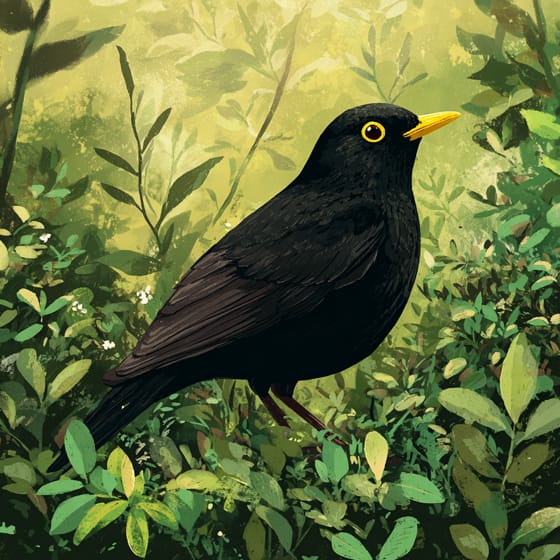
Turdus merula
Frisst Dilophus spinipes Larven aus dem Boden.
Ranunculus acris
Erwachsene besuchen Blüten für Nektar und unterstützen so die Pflanzenvermehrung.
Pterostichus melanarius
Erbeutet Dilophus spinipes Larven im Mutterboden.
Beschreibt Pflanzen, die für eine Vielzahl von bestäubenden Organismen besonders attraktiv und nützlich sind.
Farbenfroh beschreibt Organismen oder Objekte, die eine große Vielfalt an leuchtenden und deutlich erkennbaren Farben aufweisen.
Grasland-Lebensräume sind terrestrische Biome, die von Gräsern und krautigen Pflanzen dominiert werden und einer Vielzahl von Weidetieren als Lebensraum dienen.
Dieses Merkmal kennzeichnet Lebewesen, deren Ernährung vollständig oder hauptsächlich aus pflanzlichem Material besteht.

Bezieht sich auf Arten, die deutlich kleiner sind als der Durchschnitt oder das Typische ihrer Art.

Dieses Merkmal kennzeichnet Lebewesen, die bei der Jagd, Flucht oder Fortbewegung eine außergewöhnliche Schnelligkeit aufweisen.

Tagaktive Tiere sind hauptsächlich bei Tageslicht aktiv und ruhen oder schlafen in der Regel nachts.

Beschreibt Organismen, die Pollen übertragen und so die Befruchtung und Fortpflanzung von Pflanzen ermöglichen.
Noch keine Alternativnamen vorhanden.
Gefahr
1/5 · Sehr gering
Es ist sicher, dieses Insekt zu beobachten, aber fassen Sie es nicht an, da es sich erschrecken könnte.
Der einfachste Weg, Dilophus spinipes zu bestimmen, ist die Verwendung der Naturführer-App Snappit.
6-10 mm
3-5 mm
7-14 Tage
8 km/h
Erwachsene schlürfen Nektar, während ihre Larven winzige Zersetzer sind, die verrottende Pflanzen im Boden fressen.
Grasländer
Futtersuche
Zoome hinein, um Cluster aufzulösen und zu sehen, wo dieses Objekt fotografiert wurde.
Neueste Snaps erscheinen hier, wenn neue Beobachtungen hinzukommen.
Nimm die Entdeckung mit
Fotografiere deinen Fund mit Snappit, bestimme die Art und füge die Entdeckung deiner Sammlung hinzu.






.jpg&width=800)



