





Disholcaspis
Disholcaspis
Disholcaspis ist ein winziges Insekt, das auf Pflanzen lebt. Man findet sie oft in Gärten, und sie können mit ihren einzigartigen Formen und Farben sehr interessant anzusehen sein.
Lebensraum: Städtische Gebiete
Die Disholcaspis ist eine winzige, oft dunkel gefärbte Wespe, typischerweise schwarz oder dunkelbraun, wobei einige Arten rötliche oder gelbe Akzente aufweisen. Sie besitzt einen robusten, gedrungenen Körper und bei Weibchen einen charakteristischen, nadelartigen Legebohrer, der zur Eiablage dient. Im Gegensatz zu vielen Wespen sind sie normalerweise nicht mit leuchtenden Warnfarben zu sehen.
Kategorie
InsektenSeltenheit
Common
Gefahr
1/5 · Sehr gering
Snaps
Mach den ersten Snap!
Viele Disholcaspis-Wespen haben geheime Identitäten und wechseln jede Generation ihre Form!
Andere winzige Insekten versuchen oft, sich in das gemütliche Pflanzenheim einer Gallwespe zu schleichen!
Manchmal kann ein einziger Eichenbaum Dutzende verschiedener Gallarten beherbergen!
Ihre 'Häuser' (Gallen) können erstaunliche Formen annehmen, wie Äpfel, Untertassen oder sogar Sterne!
Diese winzigen Wespen fressen als Erwachsene nicht viel; Larven fressen spezielle Pflanzenzellen in Gallen!
Altersunterschiede: Erwachsene können Nektar oder Wasser nippen; Larven ernähren sich ausschließlich von spezialisiertem Gallengewebe.
Quercus alba
Legt Eier in Gewebe und induziert Gallen für die Larvenentwicklung.
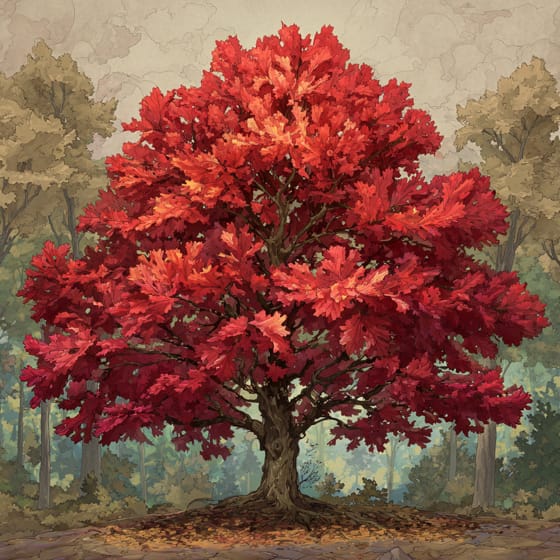
Quercus rubra
Larven ernähren sich von spezialisierten Zellen innerhalb von Gallen an diesem Baum.
Torymus splendidus
Legt eigene Eier in Disholcaspis-Gallen und frisst die Larven.
Synergus gallae
Lebt harmlos in den von Disholcaspis-Wespen gebildeten Gallen.
Soziale Tiere leben in organisierten Gruppen und kooperieren, um ihr Überleben zu sichern, beispielsweise bei der Nahrungssuche, Verteidigung und Aufzucht der Jungen.
Beschreibt Pflanzen, die für eine Vielzahl von bestäubenden Organismen besonders attraktiv und nützlich sind.
Farbenfroh beschreibt Organismen oder Objekte, die eine große Vielfalt an leuchtenden und deutlich erkennbaren Farben aufweisen.
Getarnt beschreibt Organismen, die über eine Färbung oder Musterung verfügen, durch die sie mit ihrer Umgebung verschmelzen.

Dieses Merkmal kennzeichnet Lebewesen, deren Ernährung vollständig oder hauptsächlich aus pflanzlichem Material besteht.

Bezieht sich auf Arten, die deutlich kleiner sind als der Durchschnitt oder das Typische ihrer Art.

Tagaktive Tiere sind hauptsächlich bei Tageslicht aktiv und ruhen oder schlafen in der Regel nachts.

Dieses Lebensraummerkmal weist auf Arten hin, die in städtischen und vorstädtischen Umgebungen mit Menschen zusammenleben können und von Menschen geschaffene Strukturen sowie Grünflächen nutzen.

Beschreibt Organismen, die Pollen übertragen und so die Befruchtung und Fortpflanzung von Pflanzen ermöglichen.
Noch keine Alternativnamen vorhanden.
Gefahr
1/5 · Sehr gering
Seien Sie immer sanft und achten Sie auf Ihre Schritte, wenn Sie Gärten erkunden.
Der einfachste Weg, Disholcaspis zu bestimmen, ist die Verwendung der Naturführer-App Snappit.
4-10 mm
2-5 mm
14-45 Tage
1.5 km/h
Diese winzigen Wespen fressen als Erwachsene nicht viel; Larven fressen spezielle Pflanzenzellen in Gallen!
Städtische Gebiete
6
Zoome hinein, um Cluster aufzulösen und zu sehen, wo dieses Objekt fotografiert wurde.
Neueste Snaps erscheinen hier, wenn neue Beobachtungen hinzukommen.
Nimm die Entdeckung mit
Fotografiere deinen Fund mit Snappit, bestimme die Art und füge die Entdeckung deiner Sammlung hinzu.







.jpg&width=800)



