

Dolichopeza
dolichopeza
Dolichopeza, eine Gattung innerhalb der Familie der Tipulidae, die allgemein als Schnaken bekannt ist, repräsentiert eine faszinierende Insektengruppe, die oft mit riesigen Mücken verwechselt wird. Diese zarten Kreaturen spielen eine wichtige ökologische Rolle, insbesondere ihre Larvenformen, die in verschiedenen terrestrischen Lebensräumen wichtige Zersetzer sind. Erwachsene Tiere sind typischerweise kurzlebig und konzentrieren sich hauptsächlich auf die Fortpflanzung. Trotz ihrer etwas einschüchternden Größe und ihres Aussehens sind Dolichopeza-Arten für Menschen völlig harmlos. Als Erwachsene ernähren sie sich von Nektar oder gar nicht, und ihre Larven fressen verrottendes organisches Material. Ihr Vorkommen ist oft ein Indikator für ein gesundes, feuchtes Ökosystem.
Lebensraum: Zu finden in feuchten, schattigen Umgebungen wie Waldböden, Feuchtgebieten und Uferzonen, oft in der Nähe von morschem Holz oder Laubstreu.
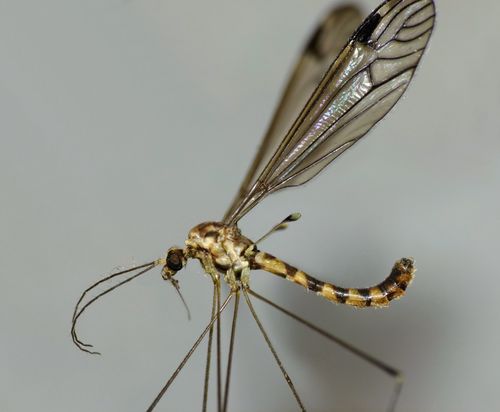
Dolichopeza-Schnaken zeichnen sich durch ihre extrem schlanken Körper, unverhältnismäßig langen, zerbrechlichen Beine und ein Paar langer, schmaler, oft durchscheinender Flügel aus. Ihre Färbung reicht typischerweise von hellbraun bis gräulich, manchmal mit dunkleren Flecken auf dem Thorax. Der Kopf ist relativ klein mit auffälligen Komplexaugen und kurzen Antennen. Sie messen im Allgemeinen zwischen 1 und 3 Zentimetern Körperlänge, wobei die Flügelspannweite ihre Körperlänge leicht übertreffen kann, was ihnen im Flug oder in Ruhe ein sehr schlaksiges Aussehen verleiht.
Kategorie
InsektenSeltenheit
Gewöhnlich
Gefahr
1/5 · Sehr gering
Snaps
Mach den ersten Snap!
Erwachsene Schnaken haben eine sehr kurze Lebensdauer, oft nur wenige Tage bis zu ein paar Wochen, die hauptsächlich auf Paarung und Eiablage ausgerichtet ist.
Trotz ihres mückenartigen Aussehens und ihrer Größe stechen erwachsene Schnaken (einschließlich Dolichopeza) weder Menschen noch Tiere.
Dolichopeza-Larven, manchmal 'Erdraupen' genannt, sind wichtige Zersetzer, die helfen, den Boden anzureichern, was sie für Ökosysteme vorteilhaft macht.
Der gebräuchliche Name 'Weberknecht' wird oft verwirrend für Schnaken, Zitterspinnen und Weberknechte verwendet, obwohl es sich um sehr unterschiedliche Kreaturen handelt.
Die Larvenstadien von Dolichopeza sind wichtige Detritivoren, die verrottende Pflanzenreste, Pilze und andere organische Ablagerungen effizient abbauen. Dieser Prozess führt Nährstoffe in das Ökosystem zurück und macht sie so entscheidend für die Bodengesundheit.
Ihre extrem langen und zarten Beine können leicht abgeworfen werden, wenn sie von einem Raubtier ergriffen werden. Diese Autotomie ermöglicht der Schnake die Flucht, indem sie ein Bein opfert, um ihr Leben zu retten, ähnlich wie einige Eidechsen ihren Schwanz verlieren.
Erwachsene einiger Dolichopeza-Arten besitzen die bemerkenswerte Fähigkeit, auf der Wasseroberfläche zu gehen oder zu gleiten. Diese Anpassung hilft ihnen, ihre feuchten Lebensräume zu navigieren und manchmal aquatischen Raubtieren zu entkommen.
Dolichopeza-Larven sind hauptsächlich Detritivoren und ernähren sich von verrottendem organischem Material, das in feuchtem Boden und Laubstreu vorkommt. Erwachsene Schnaken ernähren sich typischerweise, falls überhaupt, von Nektar oder Honigtau, und einige Arten nehmen während ihrer kurzen Lebensspanne als Erwachsene keine Nahrung auf.
Altersunterschiede: Larven sind detritivor, während Erwachsene Nektar zur Energiegewinnung zu sich nehmen oder gänzlich auf Nahrung verzichten können, um sich auf die Fortpflanzung zu konzentrieren.
Anax junius
Erwachsene und Larven dienen verschiedenen Insektenfressern als Nahrungsquelle.

Quercus robur
Larven zersetzen organisches Material im Boden.

Araneus diadematus
Erwachsene Tiere können von Spinnentieren gejagt werden.

Anaxyrus americanus
Larven sind eine Nahrungsquelle für bodenbewohnende Raubtiere.
Für dieses Objekt sind noch keine Merkmal-Badges vergeben.
Noch keine Alternativnamen vorhanden.
Sammlungen für dieses Objekt erscheinen hier, wenn weitere Themen hinzugefügt werden.
Gefahr
1/5 · Sehr gering
Noch keine besonderen Sicherheitshinweise.
Achte auf sechs Beine, Fühler, drei Körperabschnitte und die Form der Flügel. Käfer haben gehärtete Vorderflügel, Fliegen nur ein funktionierendes Flügelpaar. Winzige Insekten müssen oft aus der Nähe betrachtet werden, bevor ihre Gruppe klar wird. Insekten bestimmen: Lade ein Foto hoch und vergleiche die sichtbaren Merkmale.
1-3 cm
2-5 cm
0.0001-0.0005 kg
8 km/h
Dolichopeza-Larven sind hauptsächlich Detritivoren und ernähren sich von verrottendem organischem Material, das in feuchtem Boden und Laubstreu vorkommt. Erwachsene Schnaken ernähren sich typischerweise, falls überhaupt, von Nektar oder Honigtau, und einige Arten nehmen während ihrer kurzen Lebensspanne als Erwachsene keine Nahrung auf.
Zu finden in feuchten, schattigen Umgebungen wie Waldböden, Feuchtgebieten und Uferzonen, oft in der Nähe von morschem Holz oder Laubstreu.
Suchen Nach Nahrung
Zoome hinein, um Cluster aufzulösen und zu sehen, wo dieses Objekt fotografiert wurde.
Neueste Snaps erscheinen hier, wenn neue Beobachtungen hinzukommen.
Nimm die Entdeckung mit
Fotografiere deinen Fund mit Snappit, bestimme die Art und füge die Entdeckung deiner Sammlung hinzu.