





Dyslobus
Dyslobus
Dyslobus ist eine besondere Insektenart, die sich gerne in Blättern versteckt. Sie hat eine einzigartige Form und Farbe, die ihr hilft, sich ihrer Umgebung anzupassen, was sie zu einem Meister der Tarnung macht!
Lebensraum: Wälder
Die Dyslobus ist ein kleiner bis mittelgroßer Käfer, oft mit einem glänzenden, dunklen Exoskelett, das von tiefbraun bis metallisch grün reichen kann. Ihre Schale kann subtile irisierende Muster oder kleine Rippen aufweisen, wodurch sie sich optisch von glatteren Insekten unterscheidet.
Kategorie
InsektenSeltenheit
Common
Gefahr
1/5 · Sehr gering
Snaps
Mach den ersten Snap!
Ihre Fühler sind mit winzigen Sensoren bedeckt, die ihr helfen, ihre Lieblingspflanzen aus der Ferne zu 'riechen'!
Dieses Insekt kann in einer überraschenden Vielfalt von Lebensräumen gefunden werden, von Wäldern bis hin zu einigen Wüsten!
Wenn bedroht, können einige Dyslobus-Arten ein quietschendes Geräusch erzeugen, indem sie Körperteile aneinanderreiben!
Junge Dyslobus-Larven leben manchmal ein Jahr oder länger unter der Erde, bevor sie zu erwachsenen Käfern werden!
Dyslobus frisst hauptsächlich Pflanzen, knabbert an Blättern und manchmal an Früchten, um Energie zu gewinnen.
Altersunterschiede: Larven konsumieren typischerweise verrottendes Pflanzenmaterial oder Wurzeln, während Erwachsene von lebenden Pflanzenteilen fressen.
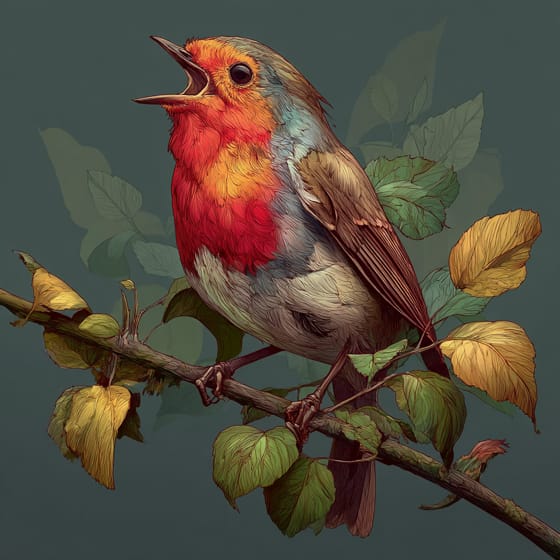
Turdus migratorius
Rotkehlchen suchen oft am Boden oder in niedriger Vegetation nach Dyslobus.
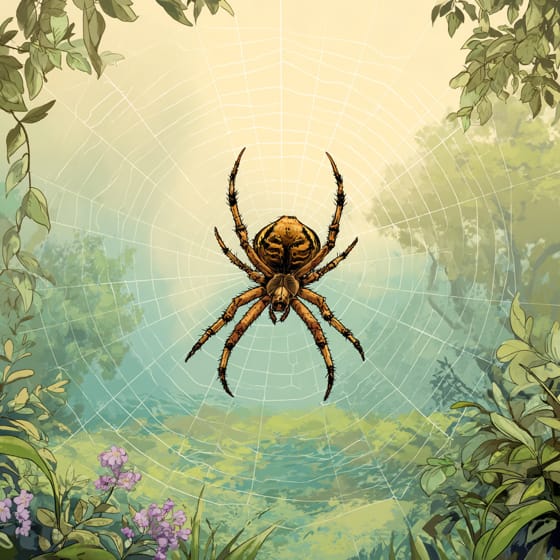
Argiope aurantia
Dyslobus kann sich in den Netzen von Gartenspinnen verfangen.
Quercus alba
Erwachsene Dyslobus ernähren sich oft von Eichenblättern.
Rosa gallica
Dyslobus kann manchmal an Rosenblättern und -blüten fressend gefunden werden.
Einzelgänger leben den größten Teil ihres Lebens allein und interagieren mit Artgenossen nur zur Paarung oder zur Aufzucht der Jungen.
Getarnt beschreibt Organismen, die über eine Färbung oder Musterung verfügen, durch die sie mit ihrer Umgebung verschmelzen.
Dieses Merkmal kennzeichnet Lebewesen, deren Ernährung vollständig oder hauptsächlich aus pflanzlichem Material besteht.
Waldlebensräume sind terrestrische Lebensräume, die von dichtem Baumbestand dominiert werden und eine große Vielfalt an Pflanzen- und Tierarten beherbergen.

Bezieht sich auf Arten, die deutlich kleiner sind als der Durchschnitt oder das Typische ihrer Art.

Dieses Merkmal kennzeichnet Lebewesen, die bei der Jagd, Flucht oder Fortbewegung eine außergewöhnliche Schnelligkeit aufweisen.

Beschreibt Organismen, die Pollen übertragen und so die Befruchtung und Fortpflanzung von Pflanzen ermöglichen.
Noch keine Alternativnamen vorhanden.
Gefahr
1/5 · Sehr gering
Immer nur schauen, aber Insekten nicht berühren, da einige empfindlich sein oder beißen könnten.
Der einfachste Weg, Dyslobus zu bestimmen, ist die Verwendung der Naturführer-App Snappit.
10-25 mm
5-15 mm
45-90 Tage
5 km/h
Dyslobus frisst hauptsächlich Pflanzen, knabbert an Blättern und manchmal an Früchten, um Energie zu gewinnen.
Wälder
Futtersuche
Zoome hinein, um Cluster aufzulösen und zu sehen, wo dieses Objekt fotografiert wurde.
Neueste Snaps erscheinen hier, wenn neue Beobachtungen hinzukommen.
Nimm die Entdeckung mit
Fotografiere deinen Fund mit Snappit, bestimme die Art und füge die Entdeckung deiner Sammlung hinzu.








.jpg&width=800)



