

Enicospilus
enicospilus
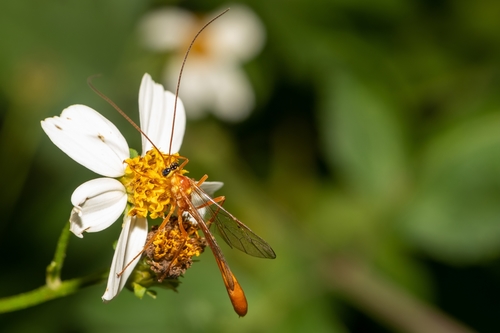
Enicospilus ist eine faszinierende und sehr artenreiche Gattung parasitoider Wespen aus der Familie der Schlupfwespen (Ichneumonidae). Leicht an ihren schlanken, eleganten Silhouetten und warmen, bernstein-orangen Farbtönen zu erkennen, spielen diese bemerkenswerten Insekten eine entscheidende ökologische Rolle als natürliche Schädlingsbekämpfer. Im Gegensatz zu vielen ihrer tagaktiven Wespenverwandten sind Enicospilus-Arten überwiegend nachtaktiv und navigieren durch die Dunkelheit von Wäldern und Feldern auf der Suche nach Wirtsraupen. Ihre anmutigen, fließenden Flugbewegungen machen sie zu einem fesselnden Anblick für nächtliche Beobachter. Diese Wespen sind Einzelgänger und bauen keine Nester oder leben in Kolonien. Stattdessen verbringen die Weibchen ihr Erwachsenenleben mit der Suche nach bestimmten Wirtsraupen, hauptsächlich aus Eulenfalterfamilien wie den Noctuidae. Indem sie ein einzelnes Ei in einem Wirt ablegen, entwickeln sich die Wespenlarven im Inneren, regulieren so die Raupenpopulationen und erhalten das Gleichgewicht in ihren Ökosystemen. Für Naturfreunde und Gärtner gleichermaßen sind diese nächtlichen Wächter wertvolle Verbündete bei der Bekämpfung von blattfressenden Schädlingen.
Lebensraum: Typischerweise in Laubwäldern, Waldgebieten, Graslandschaften und Vorstadtgärten zu finden, insbesondere in Gebieten mit dichter Vegetation, in denen Wirtsfalter aktiv sind.
Enicospilus-Wespen zeichnen sich durch ihre einfarbig goldgelbe bis rötlich-braune Färbung und ihre bemerkenswert schlanken Körper aus. Sie haben einen außergewöhnlich zusammengedrückten, sichelförmigen Hinterleib und lange, fadenförmige Fühler. Ihre Köpfe werden von außergewöhnlich großen, glasigen Facettenaugen und drei prominenten, geschwollenen Punktaugen dominiert, die an das Sehen bei schlechten Lichtverhältnissen angepasst sind. Ein wesentliches anatomisches Erkennungsmerkmal befindet sich in ihren durchsichtigen Vorderflügeln: ein deutliches, haarloses, transparentes Fenster, bekannt als Fenestra, das oft eine oder mehrere kleine, verhärtete, bernsteinfarbene Strukturen, sogenannte Sklerite, enthält. Ihre Körperlänge beträgt typischerweise 1,5 bis 3 Zentimeter.
Kategorie
InsektenSeltenheit
Gewöhnlich
Gefahr
1/5 · Sehr gering
Snaps
Mach den ersten Snap!
Obwohl sie einschüchternd aussehen und mit ihrem scharfen Legebohrer zwicken können, wenn man sie greift, fehlt ihnen ein Verteidigungsgift und sie sind für Menschen völlig harmlos.
Das winzige transparente Fenster in ihren Flügeln (die Fenestra) ist ein Schlüsselmerkmal, das Taxonomen zur Identifizierung verschiedener Arten innerhalb dieser riesigen Gattung verwenden.
Ihre großen, knolligen Punktaugen (Ocelli) wirken wie Lichtsammellinsen und ermöglichen es ihnen, mühelos zu fliegen und Wirte in nahezu völliger Dunkelheit zu entdecken.
Sie werden stark von künstlichen Lichtquellen angezogen, was sie zu einer der häufigsten Wespen macht, die von nächtlichen Insektensammlern und an Verandalichtern angetroffen werden.
Nutzt übergroße Punktaugen (Ocelli), um in nahezu völliger Dunkelheit zu navigieren und Wirte zu orten.
Weibchen spüren mit hochempfindlichen Fühlern Wirtsraupen auf und injizieren präzise ein einzelnes Ei.
Besitzt eine spezialisierte, durchsichtige Fenestra im Vorderflügel, um die Flügel-Aerodynamik bei Nachtflügen zu optimieren.
Erwachsene Tiere ernähren sich von Pflanzensäften wie Nektar und Honigtau zur Energiegewinnung, während sich die fleischfressenden Larven im Inneren von Schmetterlingsraupen entwickeln und deren Gewebe fressen.

Noctua pronuba
Enicospilus-Weibchen orten die Raupen dieses weit verbreiteten Falters und legen ihre Eier in ihnen ab.
Spodoptera frugiperda
Die Wespe fungiert als wichtiger natürlicher biologischer Schädlingsbekämpfer, indem sie diese erntezerstörenden Raupen parasitiert.

Vespa crabro
Diese großen, nachtaktiven Hornissen jagen und fressen gelegentlich erwachsene Enicospilus-Wespen, die von künstlichem Licht angezogen werden.
Für dieses Objekt sind noch keine Merkmal-Badges vergeben.
Noch keine Alternativnamen vorhanden.
Sammlungen für dieses Objekt erscheinen hier, wenn weitere Themen hinzugefügt werden.
Gefahr
1/5 · Sehr gering
Noch keine besonderen Sicherheitshinweise.
Achte auf sechs Beine, Fühler, drei Körperabschnitte und die Form der Flügel. Käfer haben gehärtete Vorderflügel, Fliegen nur ein funktionierendes Flügelpaar. Winzige Insekten müssen oft aus der Nähe betrachtet werden, bevor ihre Gruppe klar wird. Insekten bestimmen: Lade ein Foto hoch und vergleiche die sichtbaren Merkmale.
1+ cm
2+ cm
0.0001+ kg
0+ Jahre
15 km/h
Erwachsene Tiere ernähren sich von Pflanzensäften wie Nektar und Honigtau zur Energiegewinnung, während sich die fleischfressenden Larven im Inneren von Schmetterlingsraupen entwickeln und deren Gewebe fressen.
Typischerweise in Laubwäldern, Waldgebieten, Graslandschaften und Vorstadtgärten zu finden, insbesondere in Gebieten mit dichter Vegetation, in denen Wirtsfalter aktiv sind.
Zoome hinein, um Cluster aufzulösen und zu sehen, wo dieses Objekt fotografiert wurde.
Neueste Snaps erscheinen hier, wenn neue Beobachtungen hinzukommen.
Nimm die Entdeckung mit
Fotografiere deinen Fund mit Snappit, bestimme die Art und füge die Entdeckung deiner Sammlung hinzu.