





Ennominae
ennominae
Ennominae sind faszinierende Nachtfalter mit wunderschönen Mustern auf ihren Flügeln! Sie flattern nachts umher und verleihen der Dunkelheit einen magischen Touch.
Lebensraum: Ennominae-Nachtfalter sind in Wäldern, Gärten und Wiesen zu finden.
Die Ennominae haben im Allgemeinen schlanke Körper und breite, oft dreieckige Flügel. Ihre Farben umfassen typischerweise gedämpfte Braun-, Grün-, Grau- und Weißtöne, die eine außergewöhnliche Tarnung gegen Baumrinde oder Blätter ermöglichen. Viele Arten weisen komplizierte Muster oder wellenförmige Linien auf ihren Flügeln auf.
Kategorie
InsektenSeltenheit
Common
Gefahr
1/5 · Sehr gering
Snaps
Mach den ersten Snap!
Ennominae-Raupen haben spezielle Haken an ihren Füßen, um Pflanzen superfest zu greifen!
Viele erwachsene Ennominae-Nachtfalter leben nur etwa eine Woche und konzentrieren sich auf das Eierlegen!
Einige Ennominae-Nachtfalter sind Meister der Tarnung und verschmelzen perfekt mit Baumrinde!
Ihre Raupen werden 'Spannerraupen' genannt, weil sie sich fortbewegen, indem sie ihre Körper schleifenartig krümmen!
Ennominae-Raupen haben eine einzigartige 'schleifende' Bewegung aufgrund ihrer reduzierten Anzahl von Bauchfüßen, die ihnen hilft, sich zu bewegen und dabei wie ein Messfaden auszusehen.
Erwachsene Ennominae-Nachtfalter haben Flügel mit komplexen Mustern und gedeckten Farben, die ihnen helfen, tagsüber auf Baumrinde zu verschwinden.
Einige Ennominae-Arten können aufgrund ihrer Ernährung übelschmeckende Chemikalien produzieren, die hungrige Vögel und andere Raubtiere abschrecken.
Raupen knabbern an Blättern, während erwachsene Nachtfalter oft Nektar schlürfen.
Altersunterschiede: Raupen fressen Pflanzenblätter, aber erwachsene Tiere suchen hauptsächlich Nektar oder fressen gar nicht.
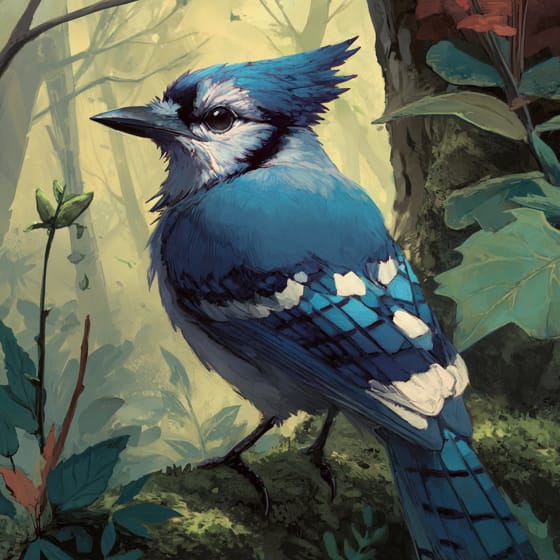
Cyanocitta cristata
Frisst Ennominae-Raupen und -Nachtfalter.
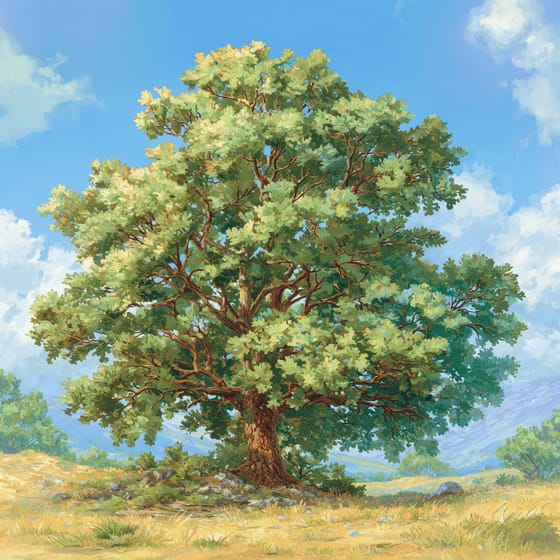
Quercus alba
Raupen fressen Blätter verschiedener Eichenarten.

Vespula vulgaris
Sucht Raupen zur Fütterung ihrer Jungen.
Acer saccharum
Larven vieler Arten fressen Ahornblätter.
Soziale Tiere leben in organisierten Gruppen und kooperieren, um ihr Überleben zu sichern, beispielsweise bei der Nahrungssuche, Verteidigung und Aufzucht der Jungen.
Farbenfroh beschreibt Organismen oder Objekte, die eine große Vielfalt an leuchtenden und deutlich erkennbaren Farben aufweisen.
Dieses Merkmal kennzeichnet Lebewesen, deren Ernährung vollständig oder hauptsächlich aus pflanzlichem Material besteht.
Waldlebensräume sind terrestrische Lebensräume, die von dichtem Baumbestand dominiert werden und eine große Vielfalt an Pflanzen- und Tierarten beherbergen.

Dieses Merkmal kennzeichnet Organismen, deren Ernährung vollständig oder hauptsächlich aus tierischem Gewebe besteht.

Nachtaktive Tiere sind hauptsächlich in den Nachtstunden aktiv und ruhen oder schlafen normalerweise tagsüber.
Gefahr
1/5 · Sehr gering
Beobachten Sie Insekten immer aus der Ferne und berühren Sie sie nicht.
Der einfachste Weg, Ennominae zu bestimmen, ist die Verwendung der Naturführer-App Snappit.
20-50 mm
10-30 mm
7-14 Tage
5 km/h
Raupen knabbern an Blättern, während erwachsene Nachtfalter oft Nektar schlürfen.
Ennominae-Nachtfalter sind in Wäldern, Gärten und Wiesen zu finden.
Futtersuche
Zoome hinein, um Cluster aufzulösen und zu sehen, wo dieses Objekt fotografiert wurde.
Neueste Snaps erscheinen hier, wenn neue Beobachtungen hinzukommen.
Nimm die Entdeckung mit
Fotografiere deinen Fund mit Snappit, bestimme die Art und füge die Entdeckung deiner Sammlung hinzu.








.jpg&width=800)


