





Epicrates cenchria maurus
Epicrates cenchria maurus
Die Epicrates cenchria maurus, auch bekannt als Brasilianische Regenbogenboa, ist eine wunderschöne Schlange mit farbenfrohen Mustern. Sie lebt gerne an warmen, feuchten Orten und ist für ihr sanftes Wesen bekannt.
Lebensraum: Regenwälder
Die Epicrates cenchria maurus ist eine mittelgroße Boa mit irisierenden Schuppen, die wie Öl auf Wasser schimmern und bei Sonnenlicht einen atemberaubenden Regenbogeneffekt erzeugen. Sie hat typischerweise eine rotbraune bis orangefarbene Grundfarbe, die mit deutlichen dunklen Ringen oder Sattelmustern verziert ist, oft schwarz umrandet. Ihr auffälliger visueller Unterschied liegt in diesem einzigartigen Lichtspiel auf ihren Schuppen.
Kategorie
ReptilienSeltenheit
Common
Gefahr
2/5 · Gering
Snaps
Mach den ersten Snap!
Ihr wissenschaftlicher Name „Epicrates“ bedeutet „mächtiger Meister“, ein perfekter Name für diese Boa!
Sie können ihren Körper mit Luft aufblasen, um größer auszusehen und potenzielle Raubtiere abzuschrecken!
Sie haben spezielle dehnbare Kiefer, um Beute zu verschlucken, die viel größer ist als ihr Kopf!
Diese Schlange bringt lebende Junge zur Welt, anstatt Eier zu legen, bis zu 20 auf einmal!
Die Epicrates cenchria maurus besitzt spezielle Wärmesinnesgruben an ihrer Schnauze, die ihr helfen, warmblütige Beute selbst in völliger Dunkelheit zu orten.
Die Epicrates cenchria maurus kann ihre kräftigen Körpermuskeln nutzen, um Beute fest zu umschlingen und ihre Mahlzeit schnell zu überwältigen, indem sie den Blutfluss unterbricht.
Die Epicrates cenchria maurus besitzt irisierende Schuppen, die ihr helfen, sich im gefleckten Licht des Waldes zu tarnen, wodurch sie schwer zu entdecken ist.
Diese Schlange ist ein Fleischfresser und ernährt sich hauptsächlich von kleinen Säugetieren und Vögeln.
Altersunterschiede: Jüngere Schlangen fressen möglicherweise mehr Eidechsen und Amphibien, während erwachsene Tiere sich auf größere Beutetiere wie Nagetiere und Vögel konzentrieren.

Rattus rattus
Häufige Beute in gestörten Lebensräumen.
Columbina talpacoti
Kleine Vögel werden oft von Ästen geschnappt.
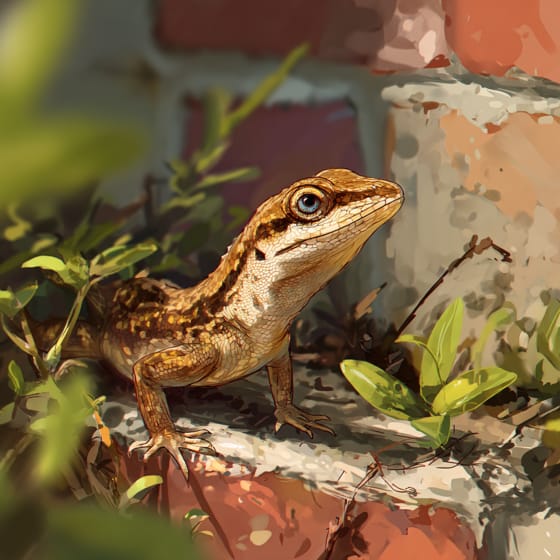
Anolis fuscoauratus
Eidechsen sind eine Nahrungsquelle, besonders für jüngere Schlangen.
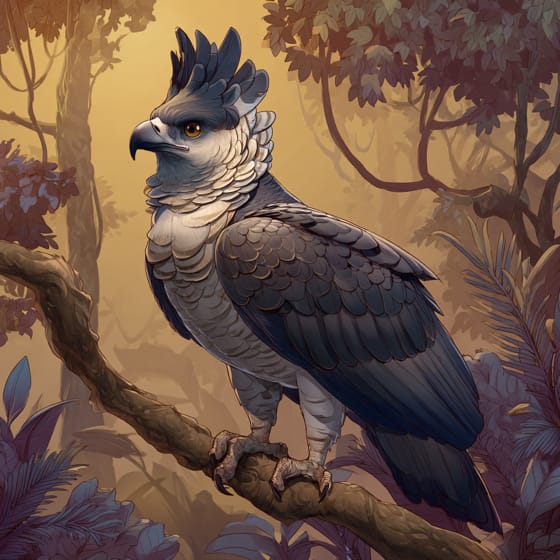
Harpia harpyja
Große Greifvögel jagen kleinere Schlangen.
Gekennzeichnet durch parallele Farbstreifen oder -linien.
Einzelgänger leben den größten Teil ihres Lebens allein und interagieren mit Artgenossen nur zur Paarung oder zur Aufzucht der Jungen.
Baumbewohnende Tiere leben hauptsächlich in Bäumen und nutzen diese als Unterschlupf, Nahrungsquelle und zum Schutz vor Raubtieren.
Farbenfroh beschreibt Organismen oder Objekte, die eine große Vielfalt an leuchtenden und deutlich erkennbaren Farben aufweisen.

Dieses Lebensraum-Merkmal bezieht sich auf Arten, die in tropischen Regenwäldern vorkommen, welche durch hohe jährliche Niederschlagsmengen, eine hohe Artenvielfalt und einen dichten Baumbestand gekennzeichnet sind.

Dieses Merkmal kennzeichnet Organismen, deren Ernährung vollständig oder hauptsächlich aus tierischem Gewebe besteht.
Gefahr
2/5 · Gering
Beobachten Sie immer aus der Ferne und versuchen Sie niemals, wilde Schlangen zu berühren.
Der einfachste Weg, Epicrates cenchria maurus zu bestimmen, ist die Verwendung der Naturführer-App Snappit.
150-200 cm
1-4 kg
10-15 Jahre
8 km/h
Diese Schlange ist ein Fleischfresser und ernährt sich hauptsächlich von kleinen Säugetieren und Vögeln.
3 km/h
Regenwälder
Zoome hinein, um Cluster aufzulösen und zu sehen, wo dieses Objekt fotografiert wurde.
Neueste Snaps erscheinen hier, wenn neue Beobachtungen hinzukommen.
Nimm die Entdeckung mit
Fotografiere deinen Fund mit Snappit, bestimme die Art und füge die Entdeckung deiner Sammlung hinzu.














