Abendsegler
Vespertilionidae
Abendsegler sind kleine, fliegende Säugetiere, die nachts aktiv werden. Sie helfen, die Insektenpopulation zu kontrollieren, indem sie Insekten fangen, während sie im Dunkeln umherfliegen.
Lebensraum: Wälder
Die Abendsegler haben typischerweise kleine Körper, die mit weichem, oft mattbraunem oder grauem Fell bedeckt sind. Sie haben einfache Gesichter ohne aufwendige Nasenblätter und besitzen breite, ledrige Flügel, die meist dunkel gefärbt sind.
Kategorie
SäugetiereSeltenheit
Common
Gefahr
1/5 · Sehr gering
Snaps
Mach den ersten Snap!
Abendsegler können Geräusche hören, die für Menschen zu hoch sind, um sie überhaupt wahrzunehmen!
Viele Abendsegler wandern Tausende von Kilometern weit, wie kleine fliegende Abenteurer!
Manche winzigen Abendsegler sind nicht größer als ein Daumen, und doch können sie fliegen!
Sie sind super wichtige Schädlingsbekämpfer, die Landwirten helfen, indem sie Pflanzen fressende Insekten vertilgen.
Abendsegler können im Dunkeln mithilfe der Echoortung „sehen“, indem sie Geräusche aussenden, die von Objekten abprallen, was ihnen bei der Jagd hilft.
Abendsegler haben sehr flexible Flügel, die einen agilen, schwebenden Flug ermöglichen, was ihnen hilft, schnell fliegende Insekten in der Luft zu jagen.
Abendsegler besitzen spezialisierte Krallen an ihren Füßen, die es ihnen ermöglichen, mühelos kopfüber zum Ausruhen und Schlafen zu hängen.
Diese kleinen Nachtflieger sind Experten im Insektenfressen und helfen, Insektenpopulationen zu kontrollieren.
Pelzig beschreibt Tiere, die eine dichte Schicht aus weichen Haaren oder Fell besitzen.
Einzelgänger leben den größten Teil ihres Lebens allein und interagieren mit Artgenossen nur zur Paarung oder zur Aufzucht der Jungen.
Luftbewohnende Tiere verbringen einen erheblichen Teil ihres Lebens in der Luft und nutzen den Flug für verschiedene Aktivitäten wie Jagd, Wanderungen oder Nestbau.
Dieses Merkmal kennzeichnet Organismen, deren Nahrung hauptsächlich aus Insekten und anderen kleinen Wirbellosen besteht.
Echoortung ist ein biologisches Sonar, das Tiere nutzen, um zu navigieren, zu jagen und zu kommunizieren, indem sie Schallwellen aussenden und die Echos interpretieren.

Waldlebensräume sind terrestrische Lebensräume, die von dichtem Baumbestand dominiert werden und eine große Vielfalt an Pflanzen- und Tierarten beherbergen.

Dieses Merkmal kennzeichnet Lebewesen, die bei der Jagd, Flucht oder Fortbewegung eine außergewöhnliche Schnelligkeit aufweisen.

Nachtaktive Tiere sind hauptsächlich in den Nachtstunden aktiv und ruhen oder schlafen normalerweise tagsüber.
Gefahr
1/5 · Sehr gering
Fledermäuse sind normalerweise nicht gefährlich, aber es ist am besten, sie aus der Ferne zu beobachten.
Der einfachste Weg, Abendsegler zu bestimmen, ist die Verwendung der Naturführer-App Snappit.
4-8 cm
20-35 cm
0.005-0.02 kg
6-20 Jahre
30 km/h
Diese kleinen Nachtflieger sind Experten im Insektenfressen und helfen, Insektenpopulationen zu kontrollieren.
Wälder
Zoome hinein, um Cluster aufzulösen und zu sehen, wo dieses Objekt fotografiert wurde.
Neueste Snaps erscheinen hier, wenn neue Beobachtungen hinzukommen.
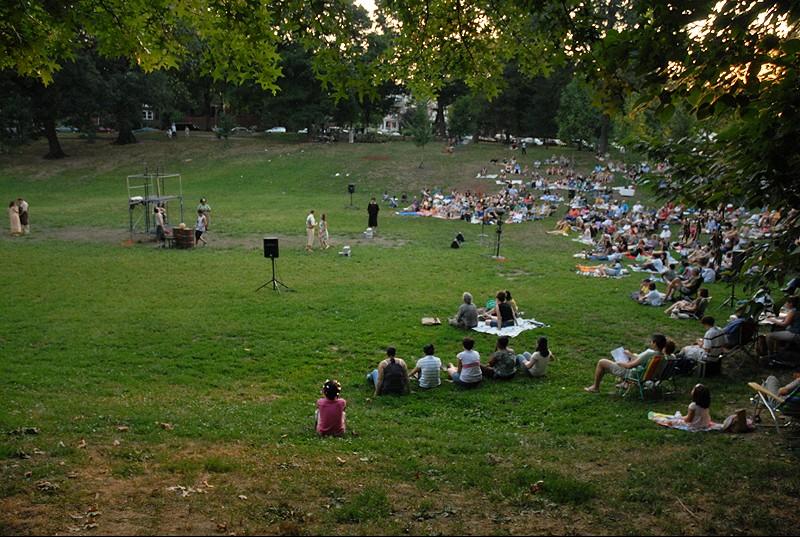
Pennsylvania, US
Hier kann man sehen Wanderdrossel und Kentucky-Gelbholz.
Führer anzeigen →

British Columbia, CA
Hier kann man sehen Großer Gelbschenkel, Beringmöwe und Rotbuche.
Führer anzeigen →
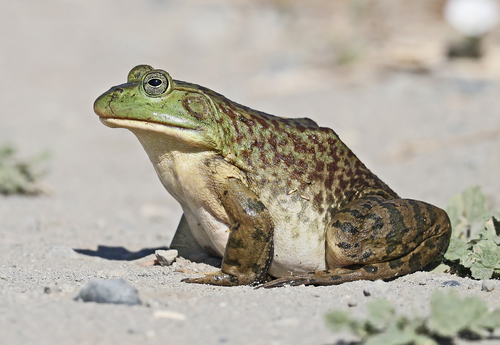
British Columbia, CA
Hier kann man sehen Nordamerikanischer Ochsenfrosch und Salal.
Führer anzeigen →
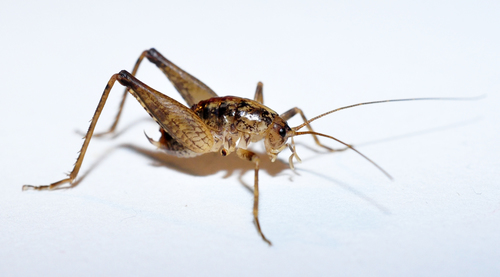
British Columbia, CA
Hier kann man sehen Pristoceuthophilus Celatus.
Führer anzeigen →




_Female_Dos.jpg&width=800)