

Garberia
garberia heterophylla
Garberia (Garberia heterophylla) ist ein einzigartiger, immergrüner Strauch, der ausschließlich in den sandigen Buschlandschaften und Kiefernwäldern Floridas beheimatet ist. Als seltene monotypische Gattung innerhalb der Familie der Korbblütler (Asteraceae) sticht sie als ökologischer Schatz des südöstlichen Teils der Vereinigten Staaten hervor. Im Spätherbst, wenn die meisten anderen Wildblumen verblüht sind, entfaltet Garberia eine atemberaubende Pracht duftender, federartiger Blüten in Rosa- bis Lavendeltönen, was ihr die Zuneigung von Liebhabern heimischer Pflanzen und Bestäubern gleichermaßen einbringt. Sie ist hervorragend an die rauen, nährstoffarmen und brandgefährdeten Umgebungen der Halbinsel Florida angepasst, was sie zu einem Symbol der Widerstandsfähigkeit macht.
Lebensraum: In trockenen, sandigen Böden von Floridas Scrub, Sandhügeln und buschigen Flachwäldern zu finden.
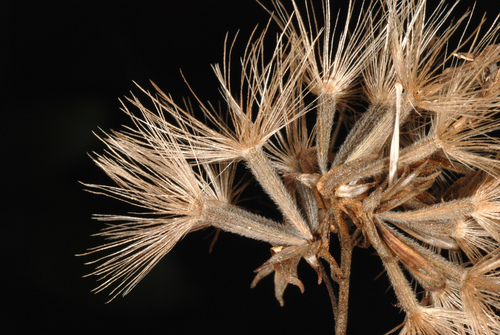
Dieser holzige, mehrstämmige Strauch wird typischerweise zwischen 100 und 250 Zentimeter hoch. Er besitzt wechselständige, ledrige, matt graugrüne Blätter, die verkehrt-eiförmig oder keilförmig sind und oft klebrig mit einem angenehmen harzigen Aroma. Sein auffälligstes Merkmal ist die dichte Ansammlung von flachen Blütenköpfen, denen Strahlenblüten fehlen und die stattdessen vollständig aus flauschigen, röhrenförmigen Röhrenblüten in zarten Rosenpurpur-, Rosa- oder Lavendeltönen bestehen, die von auffällig herausragenden Griffeln gekrönt sind.
Kategorie
PflanzenSeltenheit
Gewöhnlich
Gefahr
1/5 · Sehr gering
Snaps
Mach den ersten Snap!
Garberia ist eine monotypische Gattung, was bedeutet, dass Garberia heterophylla die einzige Art ist, die zu dieser gesamten Gattung gehört.
Ihren Blüten fehlen Strahlenblüten (die flachen, blütenblattähnlichen Strukturen, die bei Gänseblümchen zu sehen sind), sie bestehen vollständig aus flauschigen Röhrenblüten, die den Blüten ein pinselartiges Aussehen verleihen.
Die Gattung wurde zu Ehren von Abraham Paschal Garber benannt, einem Botaniker des 19. Jahrhunderts, der die Wildnis Floridas erforschte.
Angepasst an brandgefährdete Ökosysteme, kann sie schnell aus ihrer holzigen Wurzelkrone ausschlagen oder aus durch Feuer stimulierten Samenbanken keimen.
Ihre dicken, ledrigen und harzigen Blätter reduzieren den Wasserverlust, wodurch sie in trockenen, nährstoffarmen Sandböden gedeihen kann.
Produziert im Spätherbst reichlich stark duftende, nektarreiche Blüten, wenn andere Nahrungsquellen für lokale Insekten knapp sind.
Als photosynthetische Pflanze produziert Garberia ihre eigene Nahrung unter Verwendung von Sonnenlicht, Kohlendioxid und Wasser, ergänzt durch Nährstoffe, die aus sandigen, sauren Böden aufgenommen werden.

Apis mellifera
Besucht Blüten für Nektar und fungiert im Herbst als Hauptbestäuber.
Gopherus polyphemus
Teilt den Sandhügel-Lebensraum, wo Schildkrötenbauten den Boden belüften und optimale Keimungsorte schaffen.
Phoebis sennae
Ernährt sich während seiner Herbstwanderung vom Nektar der Garberia-Blüten.
Für dieses Objekt sind noch keine Merkmal-Badges vergeben.
Noch keine Alternativnamen vorhanden.
Sammlungen für dieses Objekt erscheinen hier, wenn weitere Themen hinzugefügt werden.
Gefahr
1/5 · Sehr gering
Noch keine besonderen Sicherheitshinweise.
Beginne mit der ganzen Pflanze und vergleiche dann Blattstellung, Blattränder, Stängel und eventuelle Blüten oder Früchte. Gegenständige Blätter wachsen paarweise, wechselständige einzeln am Stängel. Zusammen verraten diese Details weit mehr als ein einzelnes grünes Blatt. Pflanzen bestimmen: Lade ein Foto hoch und vergleiche die sichtbaren Merkmale.
100-250 cm
10-30 Jahre
Als photosynthetische Pflanze produziert Garberia ihre eigene Nahrung unter Verwendung von Sonnenlicht, Kohlendioxid und Wasser, ergänzt durch Nährstoffe, die aus sandigen, sauren Böden aufgenommen werden.
In trockenen, sandigen Böden von Floridas Scrub, Sandhügeln und buschigen Flachwäldern zu finden.
Zoome hinein, um Cluster aufzulösen und zu sehen, wo dieses Objekt fotografiert wurde.
Neueste Snaps erscheinen hier, wenn neue Beobachtungen hinzukommen.
Nimm die Entdeckung mit
Fotografiere deinen Fund mit Snappit, bestimme die Art und füge die Entdeckung deiner Sammlung hinzu.