





Hadrurus arizonensis
Hadrurus arizonensis
Der Hadrurus arizonensis, auch bekannt als Arizona-Rindenskorpion, ist ein besonderes kleines Geschöpf, das im Dunkeln leuchtet! Er hat einen langen Schwanz und ist in der Wüste zu finden, wo er sich unter Felsen und in Höhlen versteckt.
Lebensraum: Wüste
Der Hadrurus arizonensis ist der größte Skorpion Nordamerikas und besitzt einen robusten, gelblich-braunen Körper mit dunkleren Segmenten. Er ist deutlich mit borstigen Haaren bedeckt, was ihm ein fuzzy Aussehen verleiht, anders als glattere Wüstenskorpione, und hat große, kräftige Scheren.
Kategorie
InsektenSeltenheit
Common
Gefahr
3/5 · Mittel
Snaps
1
Mutter-Skorpione tragen ihre Babys nach dem Schlüpfen zur Sicherheit auf ihrem Rücken!
Sie haben spezielle kammartige Organe am Bauch, um den Boden nach Hinweisen zu „schmecken“.
Sie verbringen die Tagesstunden in tiefen Erdbauten, um der extremen Hitze der Wüste zu entkommen.
Dieser Skorpion ist ein Spinnentier, was ihn zu einem Verwandten von Spinnen, Milben und Zecken macht!
Hadrurus arizonensis besitzt empfindliche Borsten, die ihm helfen, winzige Vibrationen im Sand zu erkennen, was ihn auf Beute oder Gefahr in der Nähe aufmerksam macht.
Hadrurus arizonensis kann tiefe Erdbauten graben, die ihm helfen, der sengenden Wüstenhitze zu entkommen und sich vor Raubtieren zu verstecken.
Hadrurus arizonensis besitzt eine spezielle Chemikalie in seinem Exoskelett, die ihn unter ultraviolettem Licht hell blaugrün leuchten lässt.
Hadrurus arizonensis kann mit seinem Stachel ein mildes Gift abgeben, das ihm hilft, Insekten und andere kleine Beutetiere zu überwältigen.
Dieser Räuber jagt nachts in der Wüste Insekten, Spinnen und sogar kleine Eidechsen.
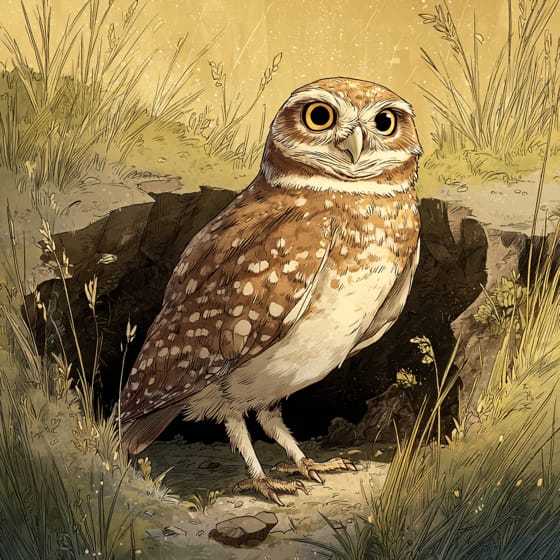
Athene cunicularia
Eine häufige Mahlzeit für diesen nachtaktiven Wüstenvogel.
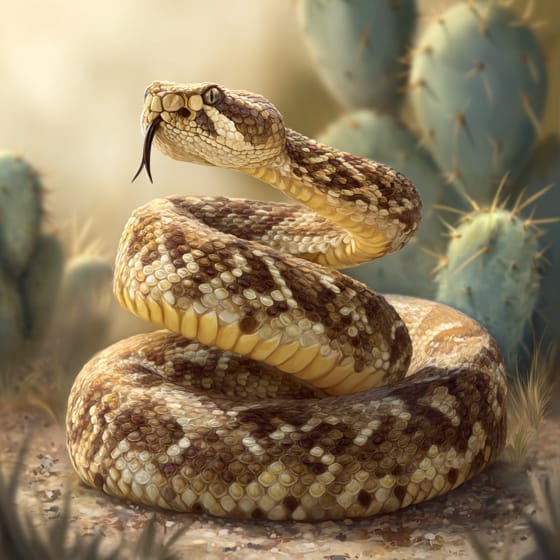
Crotalus atrox
Ein gefährlicher Räuber, der nachts Skorpione jagt.
Onychomys torridus
Diese Maus ist berühmt dafür, Skorpione zu jagen.
Stenopelmatus fuscus
Ein großes Insekt, das vom Skorpion gejagt wird.
Grabende Tiere heben Tunnel und Kammern im Erdboden aus und nutzen diese unterirdischen Strukturen als Unterschlupf, zur Jagd oder zur Fortpflanzung.
Dieses Merkmal kennzeichnet Organismen, deren Nahrung hauptsächlich aus Insekten und anderen kleinen Wirbellosen besteht.
Wüstenlebensräume sind trockene Regionen, die durch extrem geringen Niederschlag und oft extreme Temperaturen gekennzeichnet sind und eine spezialisierte Flora und Fauna beherbergen.
Dieses Merkmal kennzeichnet Organismen mit einer außergewöhnlich langen Lebensspanne im Vergleich zu anderen ihrer Art.

Dieses Merkmal kennzeichnet Organismen, deren Ernährung vollständig oder hauptsächlich aus tierischem Gewebe besteht.

Riesig beschreibt Organismen oder Objekte, die deutlich größer sind als der Durchschnitt ihrer Art oder ihres Typs.

Bezieht sich auf Organismen, die durch Biolumineszenz oder Fluoreszenz Licht abgeben.
Giftige Organismen produzieren Toxine, die typischerweise durch einen Biss oder Stich in ein anderes Tier injiziert werden.

Nachtaktive Tiere sind hauptsächlich in den Nachtstunden aktiv und ruhen oder schlafen normalerweise tagsüber.
Noch keine Alternativnamen vorhanden.
Gefahr
3/5 · Mittel
Halten Sie sich in sicherem Abstand und berühren Sie niemals einen Skorpion, da er stechen kann.
Der einfachste Weg, Hadrurus arizonensis zu bestimmen, ist die Verwendung der Naturführer-App Snappit.
100-150 mm
2190-2920 Tage
Dieser Räuber jagt nachts in der Wüste Insekten, Spinnen und sogar kleine Eidechsen.
Wüste
Lauerjagd
8
Zoome hinein, um Cluster aufzulösen und zu sehen, wo dieses Objekt fotografiert wurde.
Nimm die Entdeckung mit
Fotografiere deinen Fund mit Snappit, bestimme die Art und füge die Entdeckung deiner Sammlung hinzu.










.jpg&width=800)




