





Harpalus
Harpalus
Harpalus ist eine Käferart, die es liebt, den Boden zu erkunden. Man findet sie oft in Gärten und auf Feldern, wo sie helfen, den Boden gesund zu halten, indem sie Schädlinge fressen.
Lebensraum: Grasländer
Die Harpalus ist typischerweise ein dunkel gefärbter Käfer, oft schwarz oder bräunlich-schwarz, manchmal mit metallischem Glanz oder leicht rötlichen Beinen und Antennen. Sie hat einen etwas abgeflachten, ovalen Körper, markante kräftige Kiefer und lange, schlanke Beine, die an das schnelle Laufen über den Boden angepasst sind.
Kategorie
InsektenSeltenheit
Common
Gefahr
1/5 · Sehr gering
Snaps
Mach den ersten Snap!
Harpalus-Käfer helfen Gärten, indem sie viele häufige Unkrautsamen fressen.
Manche Harpalus-Käfer können ein leises Quietschen von sich geben, um Angreifer abzuschrecken!
Ihre Larven leben versteckt unter der Erde und sind wilde kleine Räuber!
Sie können ziemlich weit fliegen, um neue Zuhause zu finden oder Bedrohungen zu vermeiden.
Harpalus kann dank seiner langen, starken Beine extrem schnell rennen, was ihm hilft, Fressfeinden zu entkommen und Beute zu jagen.
Harpalus hat kräftige Mundwerkzeuge, die ihm helfen, harte Samen zu zerkleinern, wodurch er eine abwechslungsreiche Ernährung zu sich nehmen kann.
Harpalus kann sich schnell in den Boden oder unter Laubstreu graben, was ihm hilft, Unterschlupf zu finden und sich vor Gefahren zu verstecken.
Diese Käfer sind Allesfresser und genießen sowohl Pflanzensamen als auch kleine Insekten.
Altersunterschiede: Larven sind hauptsächlich räuberisch, während erwachsene Tiere sowohl Samen als auch kleine Wirbellose fressen.

Poa annua
Verzehrt seine Samen und dient als Unkrautbekämpfung.
Aphis gossypii
Jagt diese kleinen Insekten, besonders als Larven.
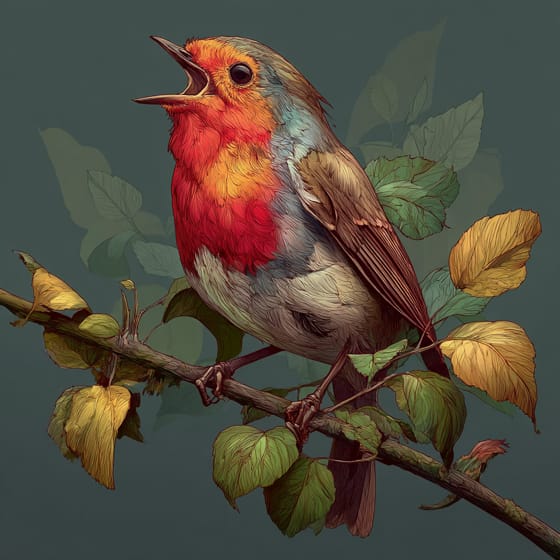
Turdus migratorius
Ein häufiger Vogelprädator in vielen Lebensräumen.
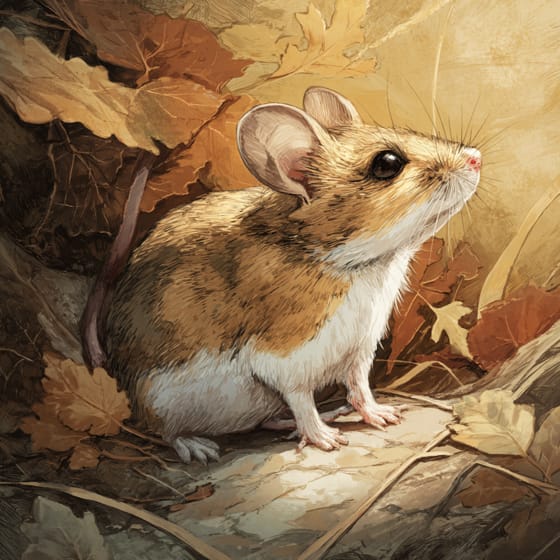
Peromyscus maniculatus
Kleine Säugetiere jagen Laufkäfer.
Grasland-Lebensräume sind terrestrische Biome, die von Gräsern und krautigen Pflanzen dominiert werden und einer Vielzahl von Weidetieren als Lebensraum dienen.
Dieses Merkmal kennzeichnet Organismen, deren Nahrung hauptsächlich aus Insekten und anderen kleinen Wirbellosen besteht.
Beschreibt Organismen, die totes organisches Material abbauen und Nährstoffe in das Ökosystem zurückführen.
Bezieht sich auf Arten, die deutlich kleiner sind als der Durchschnitt oder das Typische ihrer Art.

Beschreibt eine Art, deren Anwesenheit und Rolle einen unverhältnismäßig großen Einfluss auf ihre Umwelt haben.

Dieses Merkmal kennzeichnet Lebewesen, die bei der Jagd, Flucht oder Fortbewegung eine außergewöhnliche Schnelligkeit aufweisen.

Tagaktive Tiere sind hauptsächlich bei Tageslicht aktiv und ruhen oder schlafen in der Regel nachts.

Bezieht sich auf Organismen, die durch Biolumineszenz oder Fluoreszenz Licht abgeben.

Beschreibt Organismen, die Pollen übertragen und so die Befruchtung und Fortpflanzung von Pflanzen ermöglichen.
Noch keine Alternativnamen vorhanden.
Gefahr
1/5 · Sehr gering
Harpalus-Käfer sind freundlich und sicher zu beobachten. Beobachten Sie sie einfach aus der Ferne.
Der einfachste Weg, Harpalus zu bestimmen, ist die Verwendung der Naturführer-App Snappit.
10-35 mm
5-18 mm
60-365 Tage
5-12 km/h
Diese Käfer sind Allesfresser und genießen sowohl Pflanzensamen als auch kleine Insekten.
Grasländer
Nahrungssuche
Zoome hinein, um Cluster aufzulösen und zu sehen, wo dieses Objekt fotografiert wurde.
Neueste Snaps erscheinen hier, wenn neue Beobachtungen hinzukommen.
Nimm die Entdeckung mit
Fotografiere deinen Fund mit Snappit, bestimme die Art und füge die Entdeckung deiner Sammlung hinzu.







.jpg&width=800)



