





Harpella forficella
Harpella forficella
Harpella forficella ist ein winziges Insekt, das gerne in feuchten Gebieten lebt. Es hat einen langen Körper und ist oft in Wassernähe zu finden, was es zu einem lustigen kleinen Lebewesen zum Entdecken macht!
Lebensraum: Feuchtgebiete
Die Harpella forficella ist ein kleiner Nachtfalter, typischerweise mit matten bräunlich-grauen Vorderflügeln, die von dunkleren Flecken und Streifen gezeichnet sind. Ihre Flügel haben eine leicht spitz zulaufende, etwas hakenförmige Spitze, was ihre Silhouette unter ähnlichen kleinen Nachtfaltern unverwechselbar macht. Die Hinterflügel sind normalerweise schlichter und dunkler grau.
Kategorie
InsektenSeltenheit
Common
Gefahr
1/5 · Sehr gering
Snaps
Mach den ersten Snap!
Pilz-Fanatiker! Als Raupe liebt dieser Nachtfalter es, verrottendes Holz und Pilze zu fressen!
Lichtanzieher! In warmen Nächten werden diese winzigen Nachtfalter oft von hellen Lampen und Fenstern angezogen.
Nacht-Schläfer! Tagsüber ruht er völlig still, versteckt an Baumstämmen oder Blättern.
Stiller Sucher! Männliche Harpella-Falter können Weibchen von weitem riechen, sogar im Dunkeln!
Harpella forficella hat unscheinbare, gemusterte Flügel, die ihr helfen, sich perfekt in Baumrinde oder tote Blätter einzufügen und so für Fressfeinde fast unsichtbar zu werden.
Harpella forficella besitzt spezialisierte große Augen, die ihr helfen, sich bei sehr schlechten Lichtverhältnissen nach Sonnenuntergang zu orientieren und Nahrung zu finden.
Harpella forficella setzt unsichtbare chemische Signale frei, um Partner aus der Ferne anzulocken und so sicherzustellen, dass sie sich im Dunkeln finden können.
Junge Harpella forficella fressen Pilze und verrottende Pflanzen; erwachsene Tiere fressen oft nicht viel.
Altersunterschiede: Larven fressen verrottendes Holz und Pilze, während erwachsene Tiere typischerweise wenig oder Nektar fressen.
%2C_Parc_de_Woluw%C3%A9%2C_Brussels_(13042792905).jpg&width=800)
Parus major
Ein häufiger Gartenvogel, der erwachsene Falter jagt.

Pipistrellus pipistrellus
Diese winzige Fledermaus jagt nachts aktiv Falter mittels Echoortung.
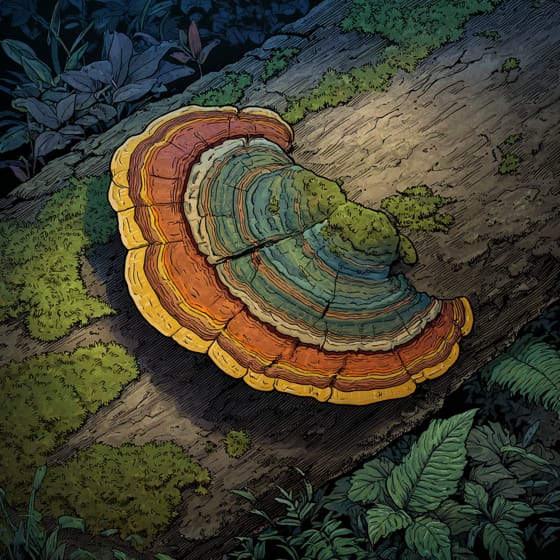
Trametes versicolor
Ihre Larven fressen diese und andere Pilze auf verrottendem Holz.
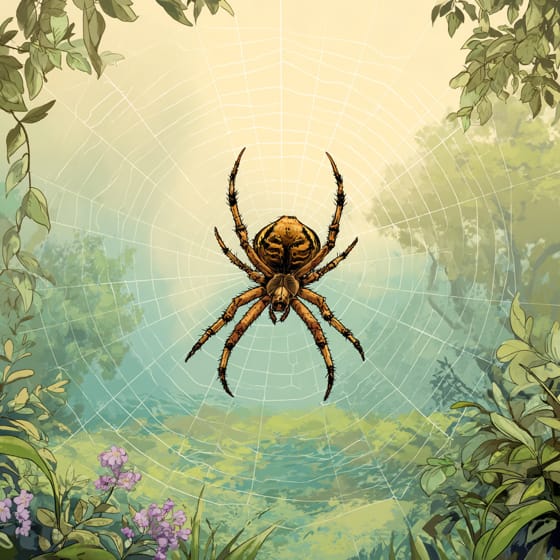
Araneus diadematus
Wird in Spinnennetzen in der Nähe von Außenleuchten gefangen.
Einzelgänger leben den größten Teil ihres Lebens allein und interagieren mit Artgenossen nur zur Paarung oder zur Aufzucht der Jungen.
Filtrierer nehmen Nährstoffe auf, indem sie schwebende Nahrungspartikel und kleine Organismen aus dem Wasser filtern.
Dieses Merkmal kennzeichnet Organismen, deren Nahrung hauptsächlich aus Insekten und anderen kleinen Wirbellosen besteht.
Dieses Merkmal kennzeichnet Lebewesen, deren Ernährung vollständig oder hauptsächlich aus pflanzlichem Material besteht.

Dieses Lebensraummerkmal kennzeichnet Arten, die in Feuchtgebieten vorkommen. Dies sind Landflächen, die dauerhaft oder saisonal mit Wasser gesättigt sind, darunter Marschland, Sümpfe und Moore.

Bezieht sich auf Arten, die deutlich kleiner sind als der Durchschnitt oder das Typische ihrer Art.

Süßwasserlebensräume umfassen nicht-salzige Gewässer wie Flüsse, Seen, Teiche und Feuchtgebiete, die für zahlreiche Arten lebenswichtig sind.

Tagaktive Tiere sind hauptsächlich bei Tageslicht aktiv und ruhen oder schlafen in der Regel nachts.
Noch keine Alternativnamen vorhanden.
Gefahr
1/5 · Sehr gering
Waschen Sie sich immer die Hände, nachdem Sie die Natur erkundet haben, besonders nach dem Berühren von Insekten.
Der einfachste Weg, Harpella forficella zu bestimmen, ist die Verwendung der Naturführer-App Snappit.
10-18 mm
5-8 mm
7-21 Tage
Junge Harpella forficella fressen Pilze und verrottende Pflanzen; erwachsene Tiere fressen oft nicht viel.
Feuchtgebiete
Futtersuche
6
Zoome hinein, um Cluster aufzulösen und zu sehen, wo dieses Objekt fotografiert wurde.
Neueste Snaps erscheinen hier, wenn neue Beobachtungen hinzukommen.
Nimm die Entdeckung mit
Fotografiere deinen Fund mit Snappit, bestimme die Art und füge die Entdeckung deiner Sammlung hinzu.







.jpg&width=800)




