





Heliomata glarearia
Heliomata glarearia
Die Heliomata glarearia ist ein kleiner Nachtfalter, der sich gerne seiner Umgebung anpasst. Sie hat wunderschöne Muster auf ihren Flügeln, die ihr tagsüber helfen, sich vor Fressfeinden zu verstecken.
Lebensraum: Graslandschaften
Die Heliomata glarearia ist ein kleiner, auffälliger Nachtfalter mit dunkelbraunen oder schwarzen Flügeln, die auffällig von zwei markanten weißen oder cremefarbenen Bändern auf den Vorderflügeln und einem einzelnen Band auf den Hinterflügeln gezeichnet sind. Ihr Kopf und Thorax haben oft einen gelblich-orangen Farbton, wodurch sie leicht von anderen Motten zu unterscheiden ist.
Kategorie
InsektenSeltenheit
Common
Gefahr
1/5 · Sehr gering
Snaps
Mach den ersten Snap!
Baby-Sonnenmotten sind Raupen, die an leckeren Schneebeerenblättern knabbern!
Sie verwenden Tausende winziger Flügelschuppen, um ihre auffälligen Muster zu erzeugen!
Der wissenschaftliche Name dieser Motte bedeutet „Sonnenfleck“ aufgrund ihres hellen Tagfluges!
Man könnte diese kleine Motte für einen Schmetterling halten, wenn sie in der Sonne fliegt!
Erwachsene saugen Blütennektar; Raupen fressen Blätter.
Altersunterschiede: Raupen fressen Blätter; Erwachsene trinken Blütennektar.
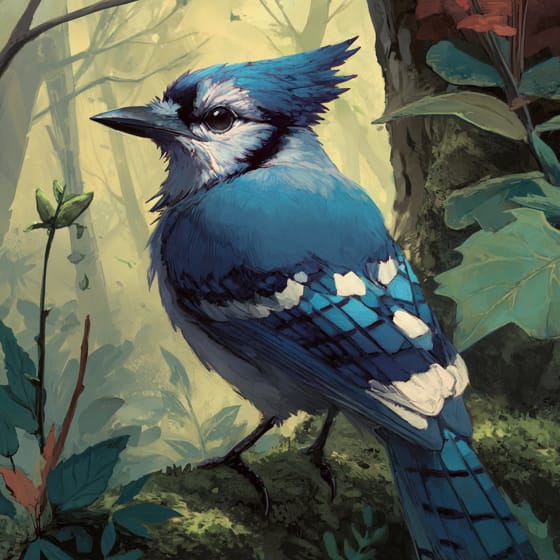
Cyanocitta cristata
Erwachsene Motten sind eine Nahrungsquelle für viele Vogelarten.
_Symphoricarpos_albus_-_Fruits_and_foliage_-_Les_Martels%2C_Giroussens_Tarn.jpg&width=800)
Symphoricarpos albus
Ihre Raupen ernähren sich ausschließlich von den Blättern dieses Strauches.
Lonicera dioica
Die Larven sind für ihre Ernährung auf ihre Blätter angewiesen.
Einzelgänger leben den größten Teil ihres Lebens allein und interagieren mit Artgenossen nur zur Paarung oder zur Aufzucht der Jungen.
Beschreibt Pflanzen, die für eine Vielzahl von bestäubenden Organismen besonders attraktiv und nützlich sind.
Farbenfroh beschreibt Organismen oder Objekte, die eine große Vielfalt an leuchtenden und deutlich erkennbaren Farben aufweisen.
Getarnt beschreibt Organismen, die über eine Färbung oder Musterung verfügen, durch die sie mit ihrer Umgebung verschmelzen.

Grasland-Lebensräume sind terrestrische Biome, die von Gräsern und krautigen Pflanzen dominiert werden und einer Vielzahl von Weidetieren als Lebensraum dienen.

Dieses Merkmal kennzeichnet Lebewesen, deren Ernährung vollständig oder hauptsächlich aus pflanzlichem Material besteht.

Tagaktive Tiere sind hauptsächlich bei Tageslicht aktiv und ruhen oder schlafen in der Regel nachts.

Beschreibt Organismen, die Pollen übertragen und so die Befruchtung und Fortpflanzung von Pflanzen ermöglichen.
Gefahr
1/5 · Sehr gering
Motten sind normalerweise sicher zu beobachten, aber berühren Sie sie nicht, da sie sehr empfindlich sein können.
Der einfachste Weg, Heliomata glarearia zu bestimmen, ist die Verwendung der Naturführer-App Snappit.
20-25 mm
8-12 mm
7-14 Tage
8 km/h
Erwachsene saugen Blütennektar; Raupen fressen Blätter.
Graslandschaften
Futtersuche
Zoome hinein, um Cluster aufzulösen und zu sehen, wo dieses Objekt fotografiert wurde.
Neueste Snaps erscheinen hier, wenn neue Beobachtungen hinzukommen.
Nimm die Entdeckung mit
Fotografiere deinen Fund mit Snappit, bestimme die Art und füge die Entdeckung deiner Sammlung hinzu.






.jpg&width=800)



