





Helmeted Curassow
Pauxi pauxi
Der Helmhokko ist ein großer, farbenfroher Vogel mit einem einzigartigen helmartigen Kamm auf dem Kopf. Er streift gerne durch die Wälder und ist bekannt für seine lauten Rufe, die durch die Bäume hallen.
Lebensraum: Wälder
Der Helmhokko ist ein großer, auffälliger schwarzer Vogel mit einem markanten blau-grauen, knolligen Helm auf dem Kopf. Er weist auch einen weißen Unterbauch und einen rot gespitzten Schnabel auf, was ihn visuell einzigartig unter den Waldvögeln macht.
Kategorie
VögelSeltenheit
Rare
Gefahr
1/5 · Sehr gering
Snaps
Mach den ersten Snap!
Helmhokkos sind Bodenbrüter und legen ihre zwei großen Eier direkt auf den Waldboden.
Sein einzigartiger „Helm“ ist tatsächlich hohler Knochen, nicht massiv, wodurch er überraschend leicht ist!
Diese Vögel benutzen ihre starken Füße, um Blätterstreu zu durchkratzen und versteckte Snacks zu finden.
Sie sind monogame Vögel und bleiben oft über viele Brutsaisons hinweg mit demselben Partner zusammen!
Der Helmhokko hat einen hohlen Helm, der ihm hilft, seine tiefen, dröhnenden Rufe durch den dichten Wald zu verstärken.
Der Helmhokko kann kurze Strecken fliegen und nutzt starke Beine, um sich durch dichtes Unterholz zu bewegen und Nahrungsquellen zu erreichen.
Der Helmhokko hilft bei der Verbreitung von Samen, indem er Früchte frisst, was zur Waldregeneration beiträgt.
Dieser Allesfresser ernährt sich hauptsächlich von Fallobst, Samen und gelegentlich Insekten, die er auf dem Waldboden findet.
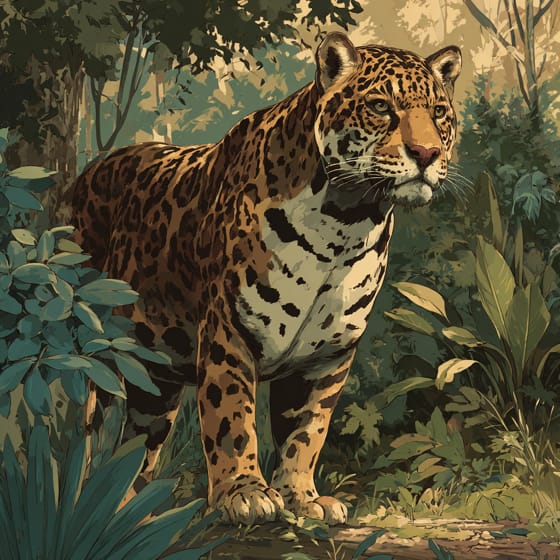
Panthera onca
Jaguare sind Raubtiere von ausgewachsenen Hokkos.
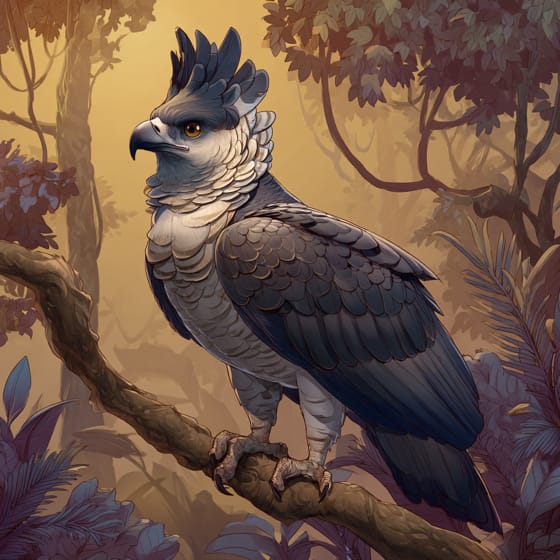
Harpia harpyja
Küken und Jungvögel können von Adlern gejagt werden.
Attalea butyracea
Verbreitet Palmensamen nach dem Verzehr von Früchten.
Haubentragend beschreibt Tiere, die ein auffälliges Büschel aus Federn, Haaren oder Haut auf dem Kopf haben.
Einzelgänger leben den größten Teil ihres Lebens allein und interagieren mit Artgenossen nur zur Paarung oder zur Aufzucht der Jungen.
Baumbewohnende Tiere leben hauptsächlich in Bäumen und nutzen diese als Unterschlupf, Nahrungsquelle und zum Schutz vor Raubtieren.
Farbenfroh beschreibt Organismen oder Objekte, die eine große Vielfalt an leuchtenden und deutlich erkennbaren Farben aufweisen.

Dieses Merkmal kennzeichnet Lebewesen, deren Ernährung vollständig oder hauptsächlich aus pflanzlichem Material besteht.

Waldlebensräume sind terrestrische Lebensräume, die von dichtem Baumbestand dominiert werden und eine große Vielfalt an Pflanzen- und Tierarten beherbergen.

Tagaktive Tiere sind hauptsächlich bei Tageslicht aktiv und ruhen oder schlafen in der Regel nachts.

Der Status 'Stark gefährdet' bedeutet, dass eine Art in naher Zukunft einem sehr hohen Risiko ausgesetzt ist, in freier Wildbahn auszusterben.
Noch keine Alternativnamen vorhanden.
Gefahr
1/5 · Sehr gering
Beobachten Sie Vögel immer aus der Ferne und versuchen Sie nicht, sie zu berühren.
Der einfachste Weg, Helmeted Curassow zu bestimmen, ist die Verwendung der Naturführer-App Snappit.
85-95 cm
120-150 cm
2.3-4.5 kg
10-15 Jahre
Dieser Allesfresser ernährt sich hauptsächlich von Fallobst, Samen und gelegentlich Insekten, die er auf dem Waldboden findet.
Wälder
Nahrungssuche
Zoome hinein, um Cluster aufzulösen und zu sehen, wo dieses Objekt fotografiert wurde.
Neueste Snaps erscheinen hier, wenn neue Beobachtungen hinzukommen.
Nimm die Entdeckung mit
Fotografiere deinen Fund mit Snappit, bestimme die Art und füge die Entdeckung deiner Sammlung hinzu.




.jpg&width=800)








