





Herpetogramma aquilonalis
Herpetogramma aquilonalis
Die Herpetogramma aquilonalis ist eine kleine, farbenfrohe Motte, die gerne um Blumen flattert. Ihre hellen Muster helfen ihr, sich in die schönen Farben der Natur einzufügen.
Lebensraum: Grasländer
Die Herpetogramma aquilonalis ist eine kleine Motte, typischerweise gelblich-braun bis hellbraun mit zarten, oft welligen dunkleren Linien auf ihren Vorderflügeln. Ihre Hinterflügel sind gewöhnlich heller und bieten einen zarten Kontrast. Diese Färbung ermöglicht es ihr, sich nahtlos in getrocknete Gräser einzufügen.
Kategorie
InsektenSeltenheit
Common
Gefahr
1/5 · Sehr gering
Snaps
Mach den ersten Snap!
Obwohl sie klein sind, können diese Motten weite Strecken mit warmen Luftströmungen zurücklegen!
Ihr Larvenstadium, auch 'Rasenwurzelwickler' genannt, lebt versteckt in der Nähe von Graswurzeln!
Sie haben ein spezielles Mundwerkzeug, einen Rüssel, der sich wie ein Strohhalm zum Nektartrinken ausrollt!
Im Gegensatz zu Schmetterlingen ruhen die meisten Motten wie diese mit flach über dem Rücken gefalteten Flügeln.
Erwachsene Motten trinken Blütennektar; ihre Raupen knabbern an verschiedenen Gras- und Pflanzenarten.
Altersunterschiede: Larven ernähren sich von Pflanzenblättern und -wurzeln, während erwachsene Tiere hauptsächlich Blütennektar zu sich nehmen.
Myotis lucifugus
Nachtaktive Fledermäuse jagen diese Motten nachts.
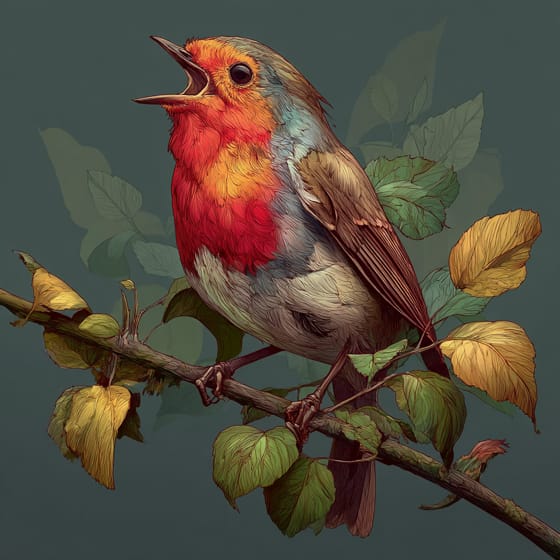
Turdus migratorius
Vögel fressen die Larven und erwachsenen Motten.

Trifolium repens
Erwachsene Motten besuchen Blüten, um Nektar zu trinken.
Poa pratensis
Larven ernähren sich von den Blättern und Wurzeln.
Einzelgänger leben den größten Teil ihres Lebens allein und interagieren mit Artgenossen nur zur Paarung oder zur Aufzucht der Jungen.
Beschreibt Pflanzen, die für eine Vielzahl von bestäubenden Organismen besonders attraktiv und nützlich sind.
Farbenfroh beschreibt Organismen oder Objekte, die eine große Vielfalt an leuchtenden und deutlich erkennbaren Farben aufweisen.
Getarnt beschreibt Organismen, die über eine Färbung oder Musterung verfügen, durch die sie mit ihrer Umgebung verschmelzen.

Grasland-Lebensräume sind terrestrische Biome, die von Gräsern und krautigen Pflanzen dominiert werden und einer Vielzahl von Weidetieren als Lebensraum dienen.

Dieses Merkmal kennzeichnet Lebewesen, deren Ernährung vollständig oder hauptsächlich aus pflanzlichem Material besteht.

Nachtaktive Tiere sind hauptsächlich in den Nachtstunden aktiv und ruhen oder schlafen normalerweise tagsüber.

Beschreibt Organismen, die Pollen übertragen und so die Befruchtung und Fortpflanzung von Pflanzen ermöglichen.
Noch keine Alternativnamen vorhanden.
Gefahr
1/5 · Sehr gering
Motten sind sanfte Geschöpfe, aber es ist am besten, sie aus der Ferne zu beobachten.
Der einfachste Weg, Herpetogramma aquilonalis zu bestimmen, ist die Verwendung der Naturführer-App Snappit.
18-25 mm
9-12 mm
7-14 Tage
10 km/h
Erwachsene Motten trinken Blütennektar; ihre Raupen knabbern an verschiedenen Gras- und Pflanzenarten.
Grasländer
Futtersuche
Zoome hinein, um Cluster aufzulösen und zu sehen, wo dieses Objekt fotografiert wurde.
Neueste Snaps erscheinen hier, wenn neue Beobachtungen hinzukommen.
Nimm die Entdeckung mit
Fotografiere deinen Fund mit Snappit, bestimme die Art und füge die Entdeckung deiner Sammlung hinzu.







.jpg&width=800)



