





Hexaprotodon liberiensis
Hexaprotodon liberiensis
Das Hexaprotodon liberiensis, auch bekannt als Zwergflusspferd, ist ein großes, semi-aquatisches Säugetier, das es liebt, Zeit im Wasser zu verbringen. Sie haben große Körper und sind bekannt für ihre einzigartigen Zähne, die ihnen helfen, Pflanzen zu fressen.
Lebensraum: Feuchtgebiete
Das Hexaprotodon liberiensis ist ein kleineres, schlankeres Flusspferd mit glatter, dunkel grünlich-brauner bis schwarzer Haut. Es hat einen runderen Kopf und weniger hervorstehende Augen und Nasenlöcher als sein größerer Verwandter, was ihm hilft, sich durch dichten Wald zu bewegen.
Kategorie
SäugetiereSeltenheit
Rare
Gefahr
4/5 · Hoch
Snaps
Mach den ersten Snap!
Zwergflusspferde sind so scheue, geheimnisvolle Tiere, dass man sie in freier Wildbahn selten sieht!
Zwergflusspferde haben eine ausgezeichnete Nachtsicht, die ihnen hilft, im dunklen Wald Nahrung zu finden und Raubtiere zu meiden!
Sie haben spezielle gepolsterte Füße mit Schwimmhäuten, perfekt zum Gehen auf schlammigen Flussufern!
Im Gegensatz zu ihren größeren Verwandten bevorzugen Zwergflusspferde ein einsames Leben im Dschungel.
Hexaprotodon liberiensis hat kräftige, spitze Zähne entwickelt, um Blätter und Triebe von Pflanzen in seinem dichten Waldheim abzustreifen.
Hexaprotodon liberiensis kann unter Wasser auf Flussbetten gehen, indem es seine breiten Füße benutzt, um sich vom Boden abzustoßen.
Hexaprotodon liberiensis hat spezielle Hautdrüsen, die eine rosa-ölige Flüssigkeit absondern, die seine Haut vor Austrocknung und Keimen schützt!
Hexaprotodon liberiensis hat einen stromlinienförmigeren Körper als andere Flusspferde, was ihm hilft, sich leise durch dichten Wald zu bewegen.
Dieser Waldbewohner knabbert an Blättern, Trieben, Gräsern und Fallobst, das er in seinem Lebensraum findet.
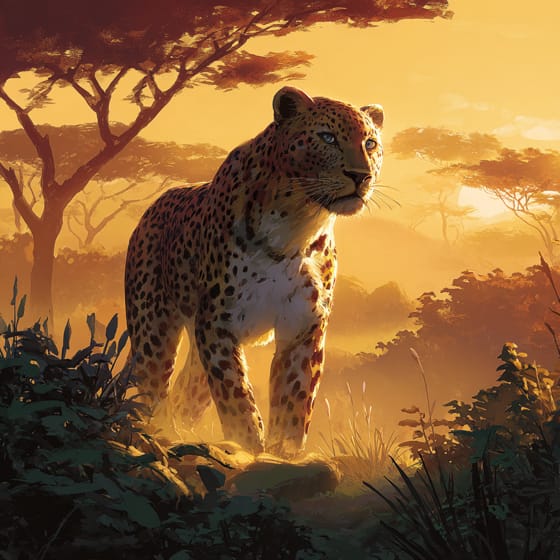
Panthera pardus
Leoparden jagen bekanntermaßen Zwergflusspferdkälber und manchmal auch ausgewachsene Tiere.
Crocodylus suchus
Krokodile, die in denselben Flüssen leben, können Zwergflusspferde jagen.
Homo sapiens
Zwergflusspferde werden wegen ihres Fleisches gejagt, was eine große Bedrohung darstellt.
Soziale Tiere leben in organisierten Gruppen und kooperieren, um ihr Überleben zu sichern, beispielsweise bei der Nahrungssuche, Verteidigung und Aufzucht der Jungen.
Gekennzeichnet durch lange, spitze, hervorstehende Zähne, die meist paarweise auftreten.
Dieses Merkmal kennzeichnet Lebewesen, deren Ernährung vollständig oder hauptsächlich aus pflanzlichem Material besteht.
Dieses Lebensraummerkmal kennzeichnet Arten, die in Feuchtgebieten vorkommen. Dies sind Landflächen, die dauerhaft oder saisonal mit Wasser gesättigt sind, darunter Marschland, Sümpfe und Moore.

Beschreibt eine Art, deren Anwesenheit und Rolle einen unverhältnismäßig großen Einfluss auf ihre Umwelt haben.

Tagaktive Tiere sind hauptsächlich bei Tageslicht aktiv und ruhen oder schlafen in der Regel nachts.

Aquatische Lebensräume umfassen Umgebungen, in denen Organismen überwiegend im Wasser leben, darunter Ozeane, Flüsse, Seen und Feuchtgebiete.

Der Status 'Stark gefährdet' bedeutet, dass eine Art in naher Zukunft einem sehr hohen Risiko ausgesetzt ist, in freier Wildbahn auszusterben.
Gefahr
4/5 · Hoch
Halten Sie immer sicheren Abstand zu Wildtieren wie Flusspferden, da sie unberechenbar sein können.
Der einfachste Weg, Hexaprotodon liberiensis zu bestimmen, ist die Verwendung der Naturführer-App Snappit.
150-175 cm
180-275 kg
30-55 Jahre
28 km/h
Dieser Waldbewohner knabbert an Blättern, Trieben, Gräsern und Fallobst, das er in seinem Lebensraum findet.
Feuchtgebiete
Nahrungssuche
Zoome hinein, um Cluster aufzulösen und zu sehen, wo dieses Objekt fotografiert wurde.
Neueste Snaps erscheinen hier, wenn neue Beobachtungen hinzukommen.
Nimm die Entdeckung mit
Fotografiere deinen Fund mit Snappit, bestimme die Art und füge die Entdeckung deiner Sammlung hinzu.




.jpg&width=800)




.JPG&width=800)


.jpg&width=800)
