




Kentrosaurus
Kentrosaurus aethiopicus
Kentrosaurus war ein prähistorischer Dinosaurier, bekannt für seine besonderen Merkmale. Wissenschaftler untersuchen seine Knochen, um mehr über das Leben der Dinosaurier zu erfahren.
Lebensraum: Mesozoische Wälder und Auen
Der Kentrosaurus ist ein mittelgroßer Dinosaurier, bekannt für seine markanten doppelten Plattenreihen und scharfen Stacheln entlang seines Rückens und Schwanzes. Sein Körper hatte wahrscheinlich erdige Grün- und Brauntöne, die ihm halfen, sich in seine alte Waldumgebung einzufügen. Lange, einschüchternde Schulterstacheln ragten heraus, wodurch er furchterregend aussah.
Kategorie
AncientSeltenheit
Common
Gefahr
1/5 · Sehr gering
Snaps
Mach den ersten Snap!
Trotz seiner beeindruckenden Größe war sein Gehirn nur etwa so groß wie eine menschliche Walnuss.
Fossilien wurden vor über hundert Jahren erstmals in Tansania, Ostafrika, entdeckt.
Sein Name bedeutet 'Dornenechse' im Altgriechischen, eine perfekte Beschreibung für seinen stacheligen Körper!
Im Gegensatz zu seinem Cousin Stegosaurus hatte er mehr Stacheln als Platten entlang seines Rückens.
Kentrosaurus hat Reihen von scharfen Hautstacheln und Platten, die ihm helfen, sich gegen große Raubtiere zu verteidigen.
Kentrosaurus kann seinen kräftigen Schwanz, bewaffnet mit langen Stacheln, schwingen, um angreifende Fleischfresser abzuschrecken.
Kentrosaurus kann aufgrund seines kurzen Halses und seiner kräftigen Kiefer leicht niedrig wachsende Pflanzen erreichen.
Kentrosaurus war ein Pflanzenfresser-Dinosaurier, der eine Vielzahl niedrig wachsender Vegetation mampfte.
Veterupristisaurus milneri
Dieser große Theropode war ein dominantes Raubtier in seinem Ökosystem.
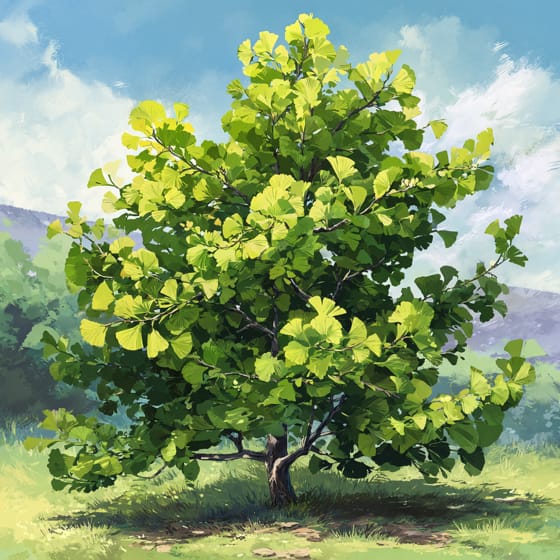
Ginkgo adiantoides
Weidete an den Blättern und Trieben alter Ginkgobäume.
Dicraeosaurus hansemanni
Teilte alte Weidegründe mit diesem langhalsigen Riesen.
Janenschia robusta
Koexistierte und teilte wahrscheinlich Nahrungsressourcen mit diesem massiven Sauropoden.
Ein Artefakt ist ein von menschlicher Kultur geschaffener oder veränderter Gegenstand, der typischerweise von historischem oder archäologischem Interesse ist.
Uralt bezieht sich auf Organismen, Objekte oder geologische Formationen, die über einen extrem langen Zeitraum existiert haben.
Ein Fossil ist ein erhaltener Überrest oder eine Spur eines uralten Organismus, eingebettet in Gestein oder andere geologische Ablagerungen.
Noch keine Alternativnamen vorhanden.
Gefahr
1/5 · Sehr gering
Obwohl zu ihrer Zeit extrem gefährlich, ist diese Kreatur heute ausgestorben.
Der einfachste Weg, Kentrosaurus zu bestimmen, ist die Verwendung der Naturführer-App Snappit.
4.5-5.5 m
1000-1500 kg
Kentrosaurus war ein Pflanzenfresser-Dinosaurier, der eine Vielzahl niedrig wachsender Vegetation mampfte.
Mesozoische Wälder und Auen
Weiden
Jurassic
150
Zoome hinein, um Cluster aufzulösen und zu sehen, wo dieses Objekt fotografiert wurde.
Neueste Snaps erscheinen hier, wenn neue Beobachtungen hinzukommen.
Nimm die Entdeckung mit
Fotografiere deinen Fund mit Snappit, bestimme die Art und füge die Entdeckung deiner Sammlung hinzu.