





Lampropeltis Triangulum Andesiana
lampropeltis triangulum andesiana
Die Lampropeltis Triangulum Andesiana, auch bekannt als Milchschlange, ist eine farbenfrohe und friedliche Schlange. Kinder werden es lieben, wie sie das Aussehen gefährlicherer Schlangen nachahmen kann, um sicher zu bleiben!
Lebensraum: Sie sind in Wäldern, Graslandschaften und in der Nähe von landwirtschaftlichen Flächen zu finden.
Die Lampropeltis Triangulum Andesiana hat ein auffälliges Muster aus breiten, schwarz umrandeten roten Bändern, die sich mit schmaleren schwarzen Bändern und noch schmaleren gelben oder cremefarbenen Bändern abwechseln. Diese lebendige Farbkombination macht sie optisch unverwechselbar.
Kategorie
ReptilienSeltenheit
Common
Gefahr
0/5 · Keine bekannte Gefahr
Snaps
Mach den ersten Snap!
Milchschlangen trinken keine Milch; ihr Name stammt von einem Mythos der Bauern!
Ihre Schuppen sind glatt und glänzend, nicht rau wie bei manchen anderen Schlangenarten!
Diese erstaunlichen Schlangen fressen manchmal andere Schlangen, sogar giftige!
Sie sind fantastische Ausbruchskünstler und können sich in überraschend kleine Räume zwängen!
Lampropeltis Triangulum Andesiana kann sich fest um ihre Beute wickeln und sie erwürgen, wodurch sie kleine Tiere überwältigen und fressen kann.
Ihre gemusterten Schuppen helfen ihr, sich im Laub und in Waldumgebungen zu tarnen, was es für Fressfeinde und Beute schwierig macht, sie zu entdecken.
Dieses Raubtier frisst kleine Nagetiere, Vögel und sogar andere Schlangen!
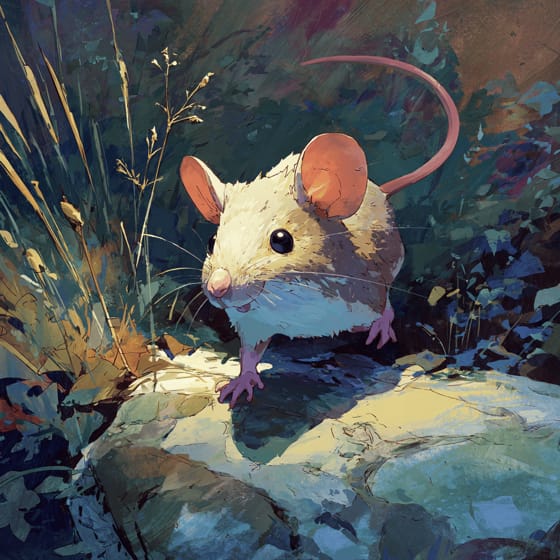
Mus musculus
Hilft bei der Kontrolle von Nagetierpopulationen in ihrem Lebensraum.
Anolis aequatorialis
Jagd diese häufigen Eidechsen in ihrem Anden-Verbreitungsgebiet.
Micrastur semitorquatus
Einer der Greifvögel, der Schlangen im Wald jagt.
Didelphis marsupialis
Ein nachtaktives Säugetier, das Schlangen jagt.
Einzelgänger leben den größten Teil ihres Lebens allein und interagieren mit Artgenossen nur zur Paarung oder zur Aufzucht der Jungen.
Farbenfroh beschreibt Organismen oder Objekte, die eine große Vielfalt an leuchtenden und deutlich erkennbaren Farben aufweisen.
Dieses Merkmal kennzeichnet Organismen, deren Ernährung vollständig oder hauptsächlich aus tierischem Gewebe besteht.
Tagaktive Tiere sind hauptsächlich bei Tageslicht aktiv und ruhen oder schlafen in der Regel nachts.

Nachtaktive Tiere sind hauptsächlich in den Nachtstunden aktiv und ruhen oder schlafen normalerweise tagsüber.
Gefahr
0/5 · Keine bekannte Gefahr
Beobachten Sie Schlangen immer aus der Entfernung und berühren Sie niemals wilde Schlangen.
Der einfachste Weg, Lampropeltis Triangulum Andesiana zu bestimmen, ist die Verwendung der Naturführer-App Snappit.
70-120 cm
0.2-0.8 kg
10-15 Jahre
4 km/h
Dieses Raubtier frisst kleine Nagetiere, Vögel und sogar andere Schlangen!
Sie sind in Wäldern, Graslandschaften und in der Nähe von landwirtschaftlichen Flächen zu finden.
Lauerjagd
Zoome hinein, um Cluster aufzulösen und zu sehen, wo dieses Objekt fotografiert wurde.
Neueste Snaps erscheinen hier, wenn neue Beobachtungen hinzukommen.
Nimm die Entdeckung mit
Fotografiere deinen Fund mit Snappit, bestimme die Art und füge die Entdeckung deiner Sammlung hinzu.














