





Östliches Grauhörnchen

Eingebettet an der Mündung der Chesapeake Bay in Virginia ist das Fort Monroe National Monument ein wahrhaft außergewöhnliches Reiseziel, wo Jahrhunderte amerikanischer Geschichte mit atemberaubenden Küstenlandschaften und einer lebhaften Tierwelt verschmelzen.
Eingebettet an der Mündung der Chesapeake Bay in Virginia ist das Fort Monroe National Monument ein wahrhaft außergewöhnliches Reiseziel, wo Jahrhunderte amerikanischer Geschichte mit atemberaubenden Küstenlandschaften und einer lebhaften Tierwelt verschmelzen. Zärtlich als Fragst du dich, welcher Vogel oder welches Insekt das ist? Finde es mit der Snappit-Natur-App heraus.
The history of Fort Monroe spans over 400 years, with its strategic importance recognized by indigenous people and early European colonists alike. The site, known as Old Point Comfort, saw its first fortification, Fort Algernourne, built in 1609 by English settlers to protect the Jamestown Colony. The current stone fortress, named after President James Monroe, began construction in 1819 and was largely completed by 1834, becoming the largest masonry fort ever built in the United States, covering 63 acres and surrounded by a moat. It was designed by French military engineer Simon Bernard and built with the labor of enslaved African Americans and free Black workers. Fort Monroe played a critical role during the Civil War, remaining a Union stronghold throughout the conflict due to its strategic location at the mouth of the Chesapeake Bay. It earned the moniker "Freedom's Fortress" as it became a haven for enslaved people seeking liberation, a significant event highlighted by Union Maj. Gen. Benjamin Butler's "contraband decision" in 1861. After the Civil War, former Confederate president Jefferson Davis was imprisoned here. The fort continued as an active military post until 2011, when it was designated a National Monument, ensuring its preservation and interpretation for future generations.
Take a self-guided or ranger-led tour of the fort and its historic buildings.
Walk or bike along the Seawall Trail and perimeter drive, enjoying views of the bay.
Go birdwatching at the Seawall, Moat, Rock Jetty at Outlook Beach, or the Wildlife Observation Platform.
Explore Outlook Beach.
Visit the Fort Monroe Visitor & Education Center for orientation and exhibits.
Kayak or canoe on Mill Creek for wildlife viewing.
Spring: Seabird breeding season begins, with terns, Black Skimmers, and Brown Pelicans. Osprey nest and fish.
Summer: Peak seabird activity with Royal Terns, Laughing Gulls, and Black Skimmers. Can be busy; visit early.
Winter: Opportunities to spot Northern Gannets, loons, and a diversity of waterfowl like Bufflehead and Red-breasted Merganser.
Pets are prohibited on the beaches from May 15 to September 15.
Both the Fort Monroe Visitor & Education Center and the Casemate Museum are wheelchair accessible. Much of Fort Monroe is on level ground with sidewalks and curb cuts, making it generally accessible.
Located within the fort's brick and stone walls, it chronicles 400 years of seacoast fortifications and includes the cell where Jefferson Davis was imprisoned.
A paved walkway offering panoramic views of the Chesapeake Bay and excellent birdwatching opportunities.
Encircling the historic fort, it's a unique spot for observing egrets, wading birds, and even jellyfish.
A majestic, approximately 500-year-old southern live oak tree on the Parade Ground, a living witness to centuries of history.
Jede Karte verlinkt zu einer vollständigen Entdecken-Seite mit Fotos, Merkmalen und spannenden Fakten.




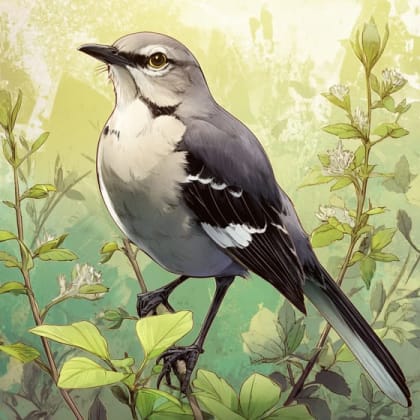































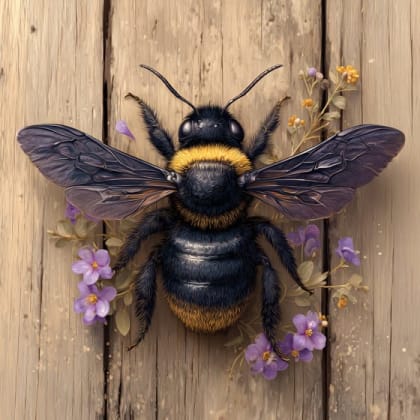

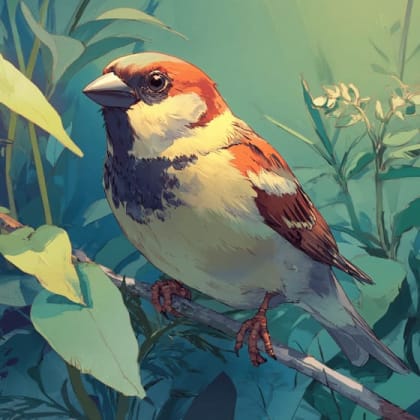


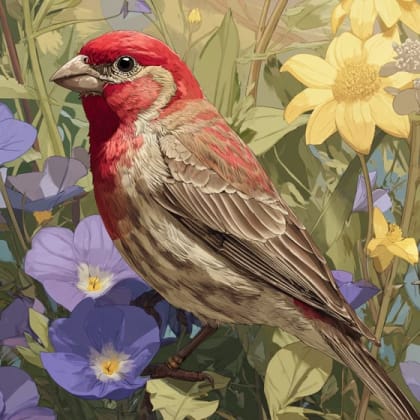


Beginne mit dem Überblick und zoome dann hinein, um einzelne Tierbeobachtungen rund um diesen Ort zu erkunden.
Beginnen Sie im Besucherzentrum
Starten Sie Ihren Besuch im Fort Monroe Besucher- und Bildungszentrum, um sich zu orientieren, Karten abzuholen und mehr über aktuelle Veranstaltungen und Ausstellungen zu erfahren.
Tragen Sie bequeme Schuhe
Es gibt viel zu Fuß zu erkunden, einschließlich der Seemauer, des Festungsgeländes und der Wanderwege.
Fernglas mitbringen
Unerlässlich für die Vogelbeobachtung und das Entdecken entfernter Wildtiere entlang der Bucht und im Graben.
Besuchen Sie das Casemate Museum frühzeitig: Diese beliebte Ausstellung kann sehr belebt sein, daher sollten Sie einen Besuch früher am Tag in Betracht ziehen.
Erkunden Sie den Grabenweg
Machen Sie einen Spaziergang auf dem gepflasterten Weg, der den äußeren Umfang des Grabens umgibt, für einzigartige Wildtierbeobachtungen und historische Perspektiven.
Suchen Sie nach der Algernourne-Eiche
Verpassen Sie nicht diese alte südliche Immergrüne Eiche auf dem Paradeplatz, ein bedeutendes natürliches und historisches Wahrzeichen.
19.06.2026
14.06.2026
14.06.2026
14.06.2026
14.06.2026

Maryland, US
Hier kann man sehen Weißwedelhirsch, östliches Grauhörnchen und Rotkardinal.
Naturführer ansehen →
.jpg)
District of Columbia, US
Hier kann man sehen östliches Grauhörnchen, Ente und Haussperling.
Naturführer ansehen →

Illinois, US
Hier kann man sehen Wanderdrossel, Kanadagans und Haussperling.
Naturführer ansehen →

Virginia, US
Hier kann man sehen Gefleckte Laternentröger und Rotkardinal.
Naturführer ansehen →
Nimm die Entdeckung mit
Bestimme Tiere und Pflanzen unterwegs und halte deine Entdeckungen in einer Sammlung fest.
_Oxalis_articulata_-_Flowers.jpg&width=800)





