

Laurobasidium Lauri
laurobasidium lauri
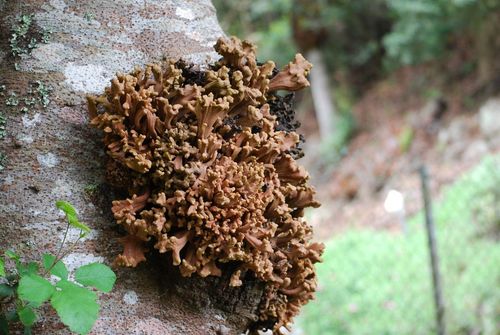
Laurobasidium lauri ist ein faszinierender, wirtsspezifischer parasitärer Pilz, bekannt für die Bildung dramatischer, geweihartiger Wucherungen an den Stämmen und Ästen von Lorbeerbäumen. Ausschließlich in den einzigartigen, nebelverhangenen Lorbeerwäldern (Laurisilva) Makaronesiens (einschließlich Madeira, den Azoren und den Kanarischen Inseln) zu finden, veranlasst diese Art die Wirtspflanze, große, holzige Gallen zu bilden, die lokal als 'Madre de louro' (Lorbeermutter) bekannt sind. Trotz seiner parasitischen Natur koexistiert er typischerweise viele Jahre lang mit seinem Wirt, ohne ihn zu töten. Dieser Pilz spielt eine besondere Rolle im Nebelwald-Ökosystem und zeigt eine hochentwickelte und spezialisierte symbiotische Beziehung, die vollständig auf die feuchte, alte Lorbeerwaldumgebung angewiesen ist.
Lebensraum: Vorkommen in feuchten, hochgelegenen Lorbeerwäldern (Laurisilva), ausschließlich als Parasit an den Stämmen und Ästen makaronesischer Lorbeerbäume wachsend.
In der Natur ist Laurobasidium lauri leicht an seinen spektakulären, mehrlappigen oder geweihartigen Gallen zu erkennen, die direkt aus der Rinde von Lorbeerbäumen hervorbrechen. Diese Wucherungen sind typischerweise gelblich-braun bis dunkel schokoladenbraun, mit einer zähen, holzig-fleischigen Textur. Sie können in der Größe von kleinen, fingerartigen Ausstülpungen von wenigen Zentimetern bis hin zu massiven, verzweigten Strukturen von bis zu 50 Zentimetern Länge reichen. In Zeiten hoher Luftfeuchtigkeit kann die Oberfläche dieser Gallen ein samtiges, blasses Aussehen annehmen, da sie mit mikroskopisch kleinen, sporenbildenden Strukturen bedeckt wird.
Kategorie
PilzeSeltenheit
Gewöhnlich
Gefahr
1/5 · Sehr gering
Snaps
Mach den ersten Snap!
Obwohl er massive, tumorartige Wucherungen bildet, tötet der Pilz seinen Wirtsbaum selten und bewahrt über Jahrzehnte ein stabiles parasitisches Gleichgewicht.
Auf Madeira werden diese bizarren Wucherungen traditionell 'Madre de louro' genannt, was 'Lorbeermutter' bedeutet.
Sein Aussehen ist stark wetterabhängig; die trockenen Gallen sehen aus wie Totholz, aber sie schwellen an und werden bei starkem Nebel zu aktiven Sporenproduzenten.
Absorbiert Wasser, Kohlenhydrate und lebenswichtige Nährstoffe direkt aus den lebenden Gefäßgeweben seiner Lorbeer-Wirtsbäume.
Laurus novocanariensis
Fungiert als wirtsspezifischer Parasit, der die Gallenbildung an den Ästen und Stämmen dieses endemischen Baumes induziert.
Laurus azorica
Nutzt diese Wirtsbaumart auf den Azoren, um Nährstoffe und strukturelle Unterstützung zu erhalten.
Für dieses Objekt sind noch keine Merkmal-Badges vergeben.
Noch keine Alternativnamen vorhanden.
Sammlungen für dieses Objekt erscheinen hier, wenn weitere Themen hinzugefügt werden.
Gefahr
1/5 · Sehr gering
Noch keine besonderen Sicherheitshinweise.
Vergleiche die Hutform, die Unterseite, den Stiel samt Basis und ob der Pilz auf Holz oder auf Erde wächst. Manche Pilze haben Lamellen, andere Poren oder Stacheln. Ein Hut, der nur von oben zu sehen ist, verbirgt oft die wichtigsten Merkmale. Pilze bestimmen: Lade ein Foto hoch und vergleiche die sichtbaren Merkmale.
5-50 cm
0.1-2 kg
2-15 Jahre
Absorbiert Wasser, Kohlenhydrate und lebenswichtige Nährstoffe direkt aus den lebenden Gefäßgeweben seiner Lorbeer-Wirtsbäume.
Vorkommen in feuchten, hochgelegenen Lorbeerwäldern (Laurisilva), ausschließlich als Parasit an den Stämmen und Ästen makaronesischer Lorbeerbäume wachsend.
Parasitische Absorption
Zoome hinein, um Cluster aufzulösen und zu sehen, wo dieses Objekt fotografiert wurde.
Neueste Snaps erscheinen hier, wenn neue Beobachtungen hinzukommen.
Nimm die Entdeckung mit
Fotografiere deinen Fund mit Snappit, bestimme die Art und füge die Entdeckung deiner Sammlung hinzu.