



Least Chipmunk
Neotamias minimus
The Least Chipmunk is a small, striped animal that loves to scurry around in the grass and trees. It has a cute little face and a fluffy tail, making it a fun sight to see in nature!
Lebensraum: Forests
The Least Chipmunk is the smallest North American chipmunk, featuring a reddish-brown body with five distinct dark stripes on its back separated by lighter cream-colored bands. It has pale stripes above and below its eyes, contrasting with its pointed snout.
Kategorie
SäugetiereSeltenheit
Common
Gefahr
1/5 · Sehr gering
Snaps
Mach den ersten Snap!
A chipmunk's home can have many tunnels, secret rooms, and even a special toilet area!
Despite their name, they are excellent at finding food, even sniffing out buried fungi like truffles.
They can survive harsh winters by going into a deep sleep called torpor, waking up to eat stored food!
They make over 10 different calls, from alarm chirps to soft trills, to chat with other chipmunks.
Least Chipmunk has stretchy cheek pouches that help them carry lots of food at once back to their burrow.
Least Chipmunk can dig complex underground burrows very quickly to create safe homes and food storage.
Least Chipmunk can swiftly climb trees and shrubs to escape predators and forage for food like berries.
These tiny foragers eat a mix of plants and insects to fuel their busy days!
Buteo jamaicensis
A common raptor that hunts small mammals like chipmunks.

Mustela frenata
A swift predator that can pursue chipmunks into their burrows.
Pinus contorta
Relies on the seeds from this pine for a significant food source.

Vaccinium scoparium
Consumes the small, edible berries found in mountain habitats.
Pelzig beschreibt Tiere, die eine dichte Schicht aus weichen Haaren oder Fell besitzen.
Gekennzeichnet durch parallele Farbstreifen oder -linien.
Soziale Tiere leben in organisierten Gruppen und kooperieren, um ihr Überleben zu sichern, beispielsweise bei der Nahrungssuche, Verteidigung und Aufzucht der Jungen.
Dieses Merkmal kennzeichnet Lebewesen, deren Ernährung vollständig oder hauptsächlich aus pflanzlichem Material besteht.

Waldlebensräume sind terrestrische Lebensräume, die von dichtem Baumbestand dominiert werden und eine große Vielfalt an Pflanzen- und Tierarten beherbergen.

Dieses Merkmal kennzeichnet Lebewesen, die bei der Jagd, Flucht oder Fortbewegung eine außergewöhnliche Schnelligkeit aufweisen.

Tagaktive Tiere sind hauptsächlich bei Tageslicht aktiv und ruhen oder schlafen in der Regel nachts.
Noch keine Alternativnamen vorhanden.
Gefahr
1/5 · Sehr gering
Always watch chipmunks from a distance and don't try to catch them.
17-22 cm
0.025-0.06 kg
2-5 Jahre
18 km/h
These tiny foragers eat a mix of plants and insects to fuel their busy days!
Forests
Foraging
2-8
Zoome hinein, um Cluster aufzulösen und zu sehen, wo dieses Objekt fotografiert wurde.
Neueste Snaps erscheinen hier, wenn neue Beobachtungen hinzukommen.
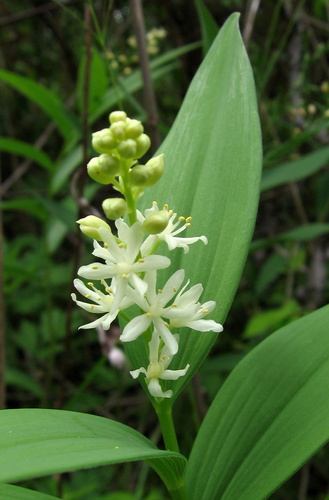
Michigan, US
Hier kann man sehen Star-Flowered Lily-Of-The-Valley und Common Silverweed.
Führer anzeigen →
.jpg)
South Dakota, US
Hier kann man sehen Least Chipmunk und Rocky Mountains Ponderosa Pine.
Führer anzeigen →
South Dakota, US
Hier kann man sehen Dickhornschaf und Narrow-Leaved Purple Coneflower.
Führer anzeigen →
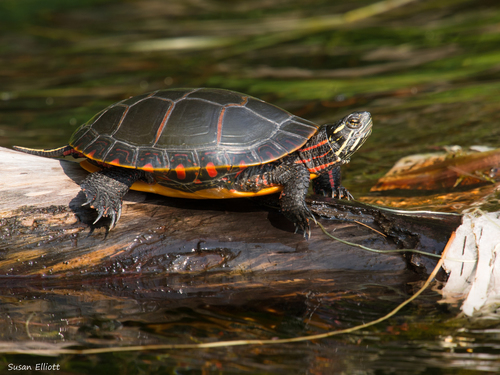
British Columbia, CA
Hier kann man sehen Zierschildkröte und Antelope Bitterbrush.
Führer anzeigen →

Wyoming, US
Hier kann man sehen Präriehund, Bur Oak und Rocky Mountains Ponderosa Pine.
Führer anzeigen →