





Leptophlebia
Leptophlebia
Leptophlebia ist eine Gattung der Eintagsfliegen, die gerne in der Nähe von sauberem Wasser leben. Diese kleinen Insekten sind bekannt für ihre zarten Flügel und ihr kurzes Leben, oft leben sie als Erwachsene nur einen Tag!
Lebensraum: Süßwasserflüsse und -bäche
Die Leptophlebia ist ein schlankes Insekt mit vier zarten, klaren Flügeln, die in Ruhestellung aufrecht gehalten werden, und gewöhnlich zwei oder drei langen, fadenförmigen Schwänzen, die von ihrem Hinterleib ausgehen. Ihr Körper ist typischerweise mattbraun oder grau, oft mit subtilen Mustern, die sie in ihre aquatische Umgebung einfügen lassen.
Kategorie
InsektenSeltenheit
Common
Gefahr
1/5 · Sehr gering
Snaps
Mach den ersten Snap!
Erwachsene Leptophlebia sind erstaunlich: Sie haben keine Münder und können nichts fressen!
Stellen Sie sich vor: Manche Eintagsfliegenschwärme sind so riesig, dass sie auf dem Wetterradar erscheinen!
Ihre langen, feinen Schwänze sind nicht nur zur Zierde; sie helfen dem Insekt beim Steuern im Flug!
Diese Insekten verbringen den größten Teil ihres Lebens unter Wasser, manchmal über ein Jahr lang!
Leptophlebia-Nymphen haben federartige Kiemen entlang ihres Hinterleibs, die ihnen helfen, Sauerstoff direkt aus dem Wasser zu atmen.
Erwachsene Leptophlebia leben nach dem Schlüpfen nur wenige Tage, was ihnen hilft, sich schnell fortzupflanzen, bevor Fressfeinde sie finden.
Leptophlebia-Nymphen reagieren sehr empfindlich auf Verschmutzung, was Wissenschaftlern hilft, saubere und gesunde Süßwasserökosysteme zu identifizieren.
Nymphen weiden an winzigen Pflanzen und verrottenden Teilen, während erwachsene Tiere überhaupt nichts fressen!
Altersunterschiede: Nymphen weiden unter Wasser an mikroskopischen Pflanzen und Detritus, aber erwachsene Leptophlebia nehmen keine Nahrung auf.
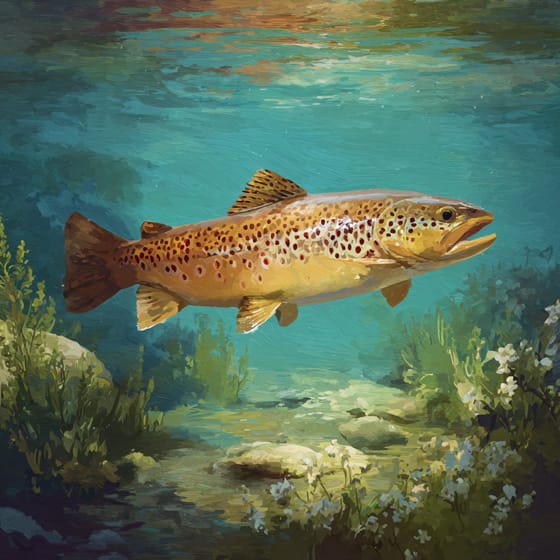
Salmo trutta
Forellen sind die Hauptfressfeinde von Leptophlebia-Nymphen und -Adulten.
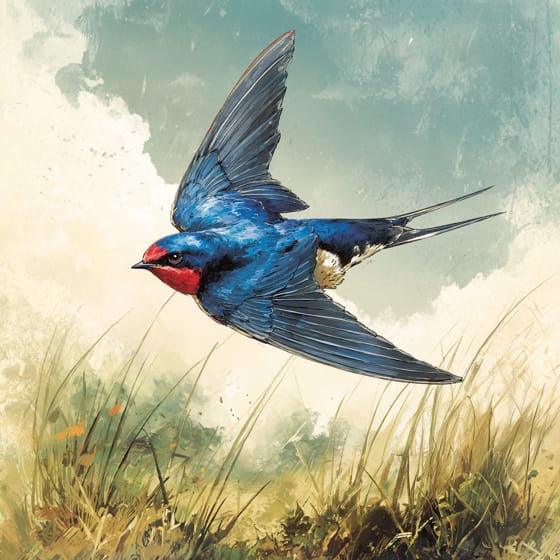
Hirundo rustica
Schwalben fangen fliegende adulte Eintagsfliegen gekonnt in der Luft.
Aeshna cyanea
Libellen-Nymphen jagen aktiv Leptophlebia-Nymphen unter Wasser.
Navicula seminulum
Leptophlebia-Nymphen schaben diese mikroskopischen Algen ab und fressen sie.
Soziale Tiere leben in organisierten Gruppen und kooperieren, um ihr Überleben zu sichern, beispielsweise bei der Nahrungssuche, Verteidigung und Aufzucht der Jungen.
Farbenfroh beschreibt Organismen oder Objekte, die eine große Vielfalt an leuchtenden und deutlich erkennbaren Farben aufweisen.
Dieses Merkmal kennzeichnet Lebewesen, deren Ernährung vollständig oder hauptsächlich aus pflanzlichem Material besteht.
Bezieht sich auf Arten, die deutlich kleiner sind als der Durchschnitt oder das Typische ihrer Art.

Beschreibt eine Art, deren Anwesenheit und Rolle einen unverhältnismäßig großen Einfluss auf ihre Umwelt haben.

Süßwasserlebensräume umfassen nicht-salzige Gewässer wie Flüsse, Seen, Teiche und Feuchtgebiete, die für zahlreiche Arten lebenswichtig sind.

Tagaktive Tiere sind hauptsächlich bei Tageslicht aktiv und ruhen oder schlafen in der Regel nachts.

Beschreibt Organismen, die Pollen übertragen und so die Befruchtung und Fortpflanzung von Pflanzen ermöglichen.
Noch keine Alternativnamen vorhanden.
Gefahr
1/5 · Sehr gering
Eintagsfliegen sind harmlos und beißen nicht, daher ist es sicher, sie in Wassernähe zu beobachten.
Der einfachste Weg, Leptophlebia zu bestimmen, ist die Verwendung der Naturführer-App Snappit.
10-30 mm
5-15 mm
90-365 Tage
8 km/h
Nymphen weiden an winzigen Pflanzen und verrottenden Teilen, während erwachsene Tiere überhaupt nichts fressen!
Süßwasserflüsse und -bäche
Futtersuche
Zoome hinein, um Cluster aufzulösen und zu sehen, wo dieses Objekt fotografiert wurde.
Neueste Snaps erscheinen hier, wenn neue Beobachtungen hinzukommen.
Nimm die Entdeckung mit
Fotografiere deinen Fund mit Snappit, bestimme die Art und füge die Entdeckung deiner Sammlung hinzu.







.jpg&width=800)


