





Limonium cancellatum
Limonium cancellatum
Limonium cancellatum, auch bekannt als Strandflieder, ist eine wunderschöne Pflanze, die in Küstennähe wächst. Sie hat liebliche violette Blüten, die in Büscheln blühen und oft in sandigen oder salzigen Gebieten zu finden ist.
Lebensraum: Küstenregionen
Die Limonium cancellatum hat zarte, drahtige Stängel, die von luftigen Büscheln winziger, papierartiger Blüten gekrönt werden, oft in Lavendel- oder Purpurblau. Ihre breiten, löffelförmigen Blätter bilden eine Rosette an der Basis, was sie unter der Küstenflora auszeichnet.
Kategorie
PflanzenSeltenheit
Common
Gefahr
1/5 · Sehr gering
Snaps
Mach den ersten Snap!
Sie ist ein Meister salziger Küsten, eine sogenannte Halophyte, die Bedingungen liebt, die die meisten Pflanzen hassen!
Ihr wissenschaftlicher Name, Limonium, kommt von einem griechischen Wort für Wiese, aber sie bevorzugt die Küste!
Einige Limonium-Arten werden wegen ihrer langlebigen Blüten 'Statice' genannt, was 'dauerhaft' bedeutet!
Die winzigen Samen der Pflanze können manchmal auf dem Wasser schwimmen und sich so zu neuen salzigen Ufern ausbreiten!
Limonium cancellatum kann sehr salzigen Boden tolerieren, indem es überschüssiges Salz aktiv durch seine Blätter ausscheidet, was ihm hilft, dort zu gedeihen, wo andere Pflanzen nicht können.
Diese Pflanze hat Anpassungen wie dicke, manchmal ledrige Blätter, die ihr helfen, Wasser zu speichern, was sie widerstandsfähig unter trockenen Küstenbedingungen macht.
Der papierartige Blütenkelch von Limonium cancellatum behält seine leuchtende Farbe lange nach der Blüte, wodurch er in seinem Lebensraum länger auffällt.
Apis mellifera
Sammelt Nektar und Pollen von Blumen.

Bombus terrestris
Brumm-bestäubt Blumen, fördert die Fortpflanzung.
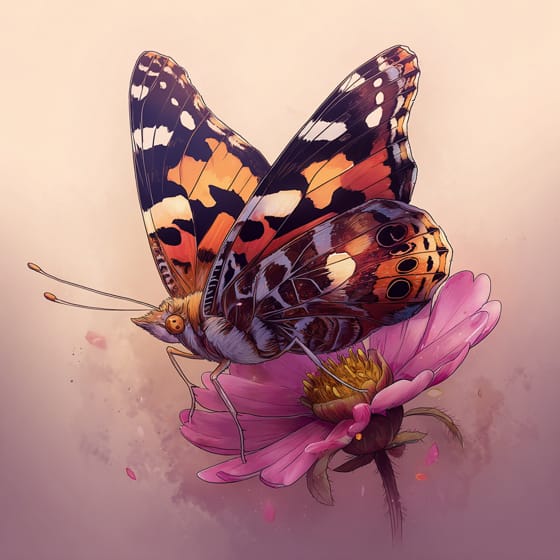
Vanessa cardui
Ernährt sich von Nektar und hilft, Pollen zu verbreiten.
Blütenpflanzen sind alle Pflanzen, die als Teil ihres Fortpflanzungszyklus Blüten bilden.
Zierpflanzen werden hauptsächlich wegen ihres ästhetischen Reizes angebaut und verschönern Landschaften und Gärten mit ihrem attraktiven Laub, ihren Blüten oder ihrer Form.
Blütenbüschel sind Blütenstände, bei denen einzelne Blüten dicht beieinander an einem gemeinsamen Stängel angeordnet sind.
Salztolerante Pflanzen können unter Bedingungen mit erhöhtem Salzgehalt in Boden oder Wasser bestehen und wachsen.

Trockenheitstolerante Pflanzen können unter Bedingungen mit begrenzter Wasserverfügbarkeit überleben und gedeihen.

Beschreibt Pflanzen, die für eine Vielzahl von bestäubenden Organismen besonders attraktiv und nützlich sind.

Küstenlebensräume sind dynamische Umgebungen an der Schnittstelle zwischen Land und Meer, die von Gezeiten, Wellen und Salzwasser geprägt sind.
Gefahr
1/5 · Sehr gering
Immer nur ansehen, aber Pflanzen nicht berühren, ohne einen Erwachsenen zu fragen, da einige stachelig sein oder Allergien verursachen können.
Der einfachste Weg, Limonium cancellatum zu bestimmen, ist die Verwendung der Naturführer-App Snappit.
20-70 cm
20-50 cm
0.4-0.6 cm
Summer to early autumn
Nein
Keine
Mehrjährig
Zoome hinein, um Cluster aufzulösen und zu sehen, wo dieses Objekt fotografiert wurde.
Neueste Snaps erscheinen hier, wenn neue Beobachtungen hinzukommen.
Nimm die Entdeckung mit
Fotografiere deinen Fund mit Snappit, bestimme die Art und füge die Entdeckung deiner Sammlung hinzu.







.jpg&width=800)



_001.jpg&width=800)




