.jpg&width=800)





Macrurocampa
macrurocampa
Die Macrurocampa ist ein faszinierendes Insekt, das nachts gerne durch Gärten flattert! Mit ihren farbenfrohen Flügeln bringt sie Freude denen, die sie im Mondlicht entdecken.
Lebensraum: Macrurocampa-Motten sind in Gärten, Wäldern und auf Wiesen zu finden, wo sie leicht Blüten zum Fressen finden.
Die Macrurocampa ist eine mittelgroße Motte mit komplexen Mustern aus gesprenkeltem Grau, Braun und Schwarz, die Baumrinde ähneln. Ihre Flügel weisen oft gezackte Linien und ein ausgeprägtes 'prominentes' Haarbüschel auf dem Rücken auf, was ihr hilft, nahtlos mit ihrer bewaldeten Umgebung zu verschmelzen.
Kategorie
InsektenSeltenheit
Common
Gefahr
0/5 · Keine bekannte Gefahr
Snaps
Mach den ersten Snap!
Baby-Macrurocampa-Motten, die Raupen, können ihre Hautfarbe ändern, wenn sie heranwachsen.
Manche Macrurocampa-Raupen bauen eine bemerkenswerte 'Kotkette' aus ihren eigenen Ausscheidungen!
Ihre superempfindlichen gefiederten Antennen können einen Partner über mehrere Kilometer Entfernung riechen!
Im Ruhezustand ziehen diese Motten ihre Flügel in eine einzigartige, markante Form, um ihren Kopf zu verbergen.
Macrurocampa hat gesprenkelte graue und braune Muster, die ihr helfen, an Baumrinde zu verschwinden, wodurch sie für Raubtiere schwer zu entdecken ist.
Macrurocampa kann subtile Vibrationen durch spezialisierte Haare wahrnehmen, was ihr hilft, sich nähernde Raubtiere zu erkennen oder Partner im Dunkeln zu finden.
Macrurocampa kann winzige Duftsignale, sogenannte Pheromone, freisetzen, die ihr helfen, andere Motten über weite Entfernungen zur Paarung zu finden.
Macrurocampa-Larven knabbern an Baumblättern, während die erwachsenen Tiere süßen Nektar und Baumsaft schlürfen.
Altersunterschiede: Larven (Raupen) fressen Blätter; erwachsene Tiere konsumieren hauptsächlich Nektar und Saft.
Quercus alba
Larven fressen Blätter
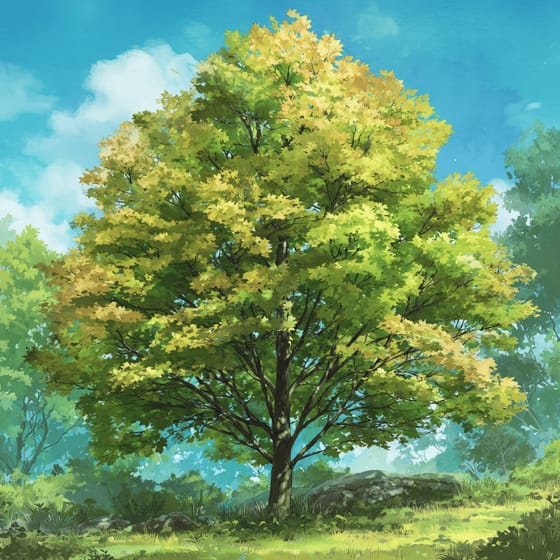
Acer saccharum
Larven fressen Blätter
Myotis lucifugus
jagt erwachsene Tiere nachts
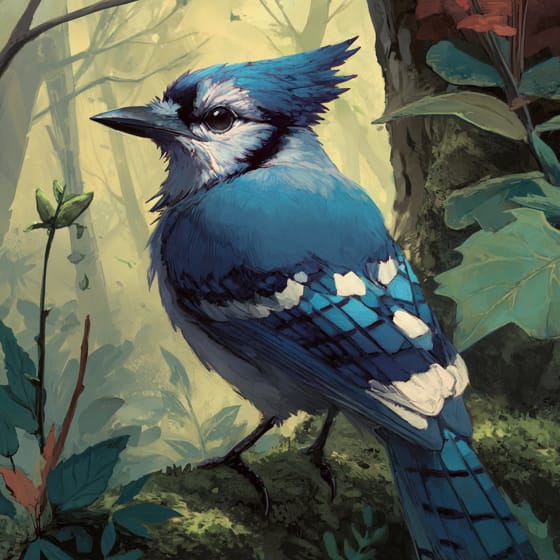
Cyanocitta cristata
frisst sowohl Larven als auch erwachsene Tiere
Einzelgänger leben den größten Teil ihres Lebens allein und interagieren mit Artgenossen nur zur Paarung oder zur Aufzucht der Jungen.
Farbenfroh beschreibt Organismen oder Objekte, die eine große Vielfalt an leuchtenden und deutlich erkennbaren Farben aufweisen.
Getarnt beschreibt Organismen, die über eine Färbung oder Musterung verfügen, durch die sie mit ihrer Umgebung verschmelzen.
Nachtaktive Tiere sind hauptsächlich in den Nachtstunden aktiv und ruhen oder schlafen normalerweise tagsüber.

Beschreibt Organismen, die Pollen übertragen und so die Befruchtung und Fortpflanzung von Pflanzen ermöglichen.
Gefahr
0/5 · Keine bekannte Gefahr
Noch keine besonderen Sicherheitshinweise.
Der einfachste Weg, Macrurocampa zu bestimmen, ist die Verwendung der Naturführer-App Snappit.
30-50 mm
15-25 mm
25-60 Tage
10 km/h
Macrurocampa-Larven knabbern an Baumblättern, während die erwachsenen Tiere süßen Nektar und Baumsaft schlürfen.
Macrurocampa-Motten sind in Gärten, Wäldern und auf Wiesen zu finden, wo sie leicht Blüten zum Fressen finden.
Futtersuche
Zoome hinein, um Cluster aufzulösen und zu sehen, wo dieses Objekt fotografiert wurde.
Neueste Snaps erscheinen hier, wenn neue Beobachtungen hinzukommen.
Nimm die Entdeckung mit
Fotografiere deinen Fund mit Snappit, bestimme die Art und füge die Entdeckung deiner Sammlung hinzu.









.jpg&width=800)



