





Neoneides muticus
Neoneides muticus
Die Neoneides muticus ist ein farbenfrohes Insekt, das sich gerne in Blättern versteckt. Sie hat leuchtende Farben, die ihr helfen, sich in Blüten und Pflanzen einzufügen, wodurch sie etwas schwer zu entdecken ist!
Lebensraum: Wälder
Die Neoneides muticus ist ein kleines, keilförmiges Insekt, typischerweise grün oder gelblich-braun, wodurch es sich nahtlos in das Pflanzenlaub einfügt. Es hat große, deutliche Augen und transparente Flügel, die flach über seinem Rücken gefaltet sind, was ihm ein elegantes Aussehen verleiht.
Kategorie
InsektenSeltenheit
Common
Gefahr
1/5 · Sehr gering
Snaps
Mach den ersten Snap!
Es kann über das Hundertfache seiner eigenen Körperlänge springen, wie ein winziger Superheld!
Zikadenbabys, Nymphen genannt, sehen aus wie Mini-Erwachsene ohne Flügel!
Viele Zikaden kommunizieren, indem sie leise Vibrationen durch die Pflanzen senden, auf denen sie leben!
Sie haben spezielle Borsten an ihren Beinen, die ihnen helfen, sich an Pflanzen festzuhalten und zu klettern!
Neoneides muticus kann dank spezialisierter Hinterbeine große Distanzen springen, was ihr hilft, Fressfeinden schnell zu entkommen.
Neoneides muticus hat eine Körperfärbung, die Blättern und Stängeln ähnelt, was ihr hilft, sich vor hungrigen Vögeln zu verstecken.
Neoneides muticus hat ein strohhalmähnliches Mundwerkzeug, um Pflanzenstängel zu durchstechen und nährstoffreichen Saft herauszusaugen.
Dieses winzige Insekt schlürft Pflanzensaft, als würde es einen Smoothie durch einen Strohhalm trinken!
Araneus diadematus
Spinne jagt adulte Zikaden.
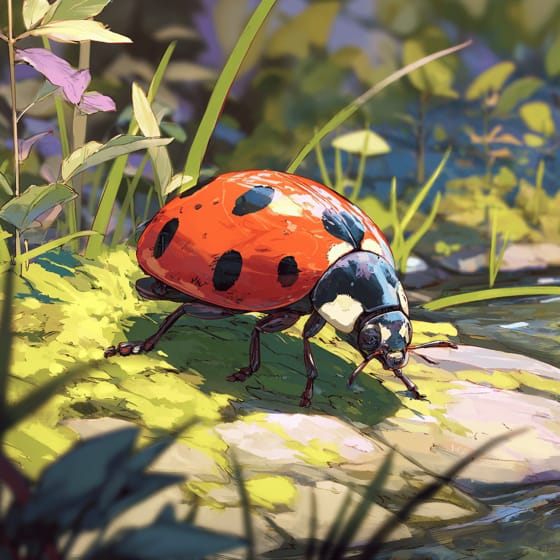
Coccinella septempunctata
Marienkäfer fressen manchmal kleine Zikadennymphen.
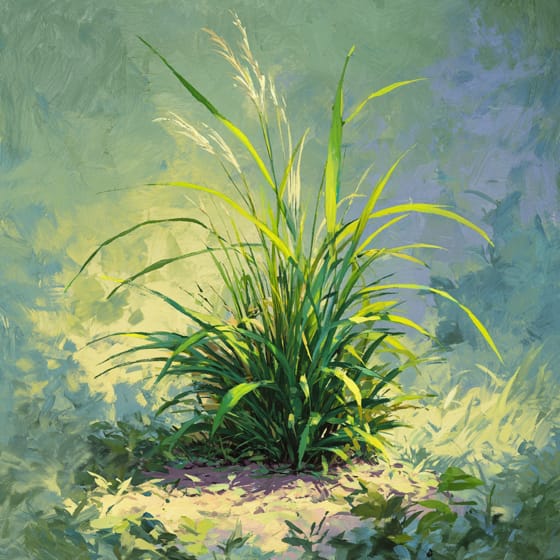
Poa pratensis
Verlässt sich auf Grasssaft für seine gesamte Ernährung.
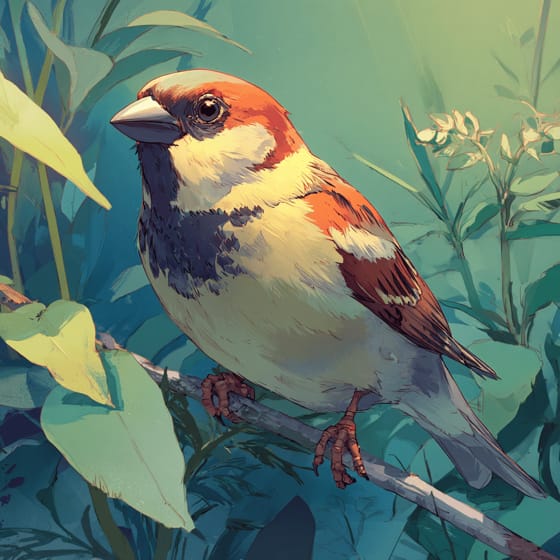
Passer domesticus
Häufiger Vogel, der adulte Zikaden frisst.
Einzelgänger leben den größten Teil ihres Lebens allein und interagieren mit Artgenossen nur zur Paarung oder zur Aufzucht der Jungen.
Beschreibt Pflanzen, die für eine Vielzahl von bestäubenden Organismen besonders attraktiv und nützlich sind.
Farbenfroh beschreibt Organismen oder Objekte, die eine große Vielfalt an leuchtenden und deutlich erkennbaren Farben aufweisen.
Getarnt beschreibt Organismen, die über eine Färbung oder Musterung verfügen, durch die sie mit ihrer Umgebung verschmelzen.

Dieses Merkmal kennzeichnet Lebewesen, deren Ernährung vollständig oder hauptsächlich aus pflanzlichem Material besteht.

Waldlebensräume sind terrestrische Lebensräume, die von dichtem Baumbestand dominiert werden und eine große Vielfalt an Pflanzen- und Tierarten beherbergen.

Tagaktive Tiere sind hauptsächlich bei Tageslicht aktiv und ruhen oder schlafen in der Regel nachts.

Beschreibt Organismen, die Pollen übertragen und so die Befruchtung und Fortpflanzung von Pflanzen ermöglichen.
Noch keine Alternativnamen vorhanden.
Gefahr
1/5 · Sehr gering
Immer schauen, aber Insekten nicht berühren, da manche empfindlich sein oder beißen können.
Der einfachste Weg, Neoneides muticus zu bestimmen, ist die Verwendung der Naturführer-App Snappit.
6-10 mm
3-5 mm
30-90 Tage
2 km/h
Dieses winzige Insekt schlürft Pflanzensaft, als würde es einen Smoothie durch einen Strohhalm trinken!
Wälder
Futtersuche
Zoome hinein, um Cluster aufzulösen und zu sehen, wo dieses Objekt fotografiert wurde.
Neueste Snaps erscheinen hier, wenn neue Beobachtungen hinzukommen.
Nimm die Entdeckung mit
Fotografiere deinen Fund mit Snappit, bestimme die Art und füge die Entdeckung deiner Sammlung hinzu.








.jpg&width=800)


