




Neuroterus vesicula
Neuroterus vesicula
Neuroterus vesicula ist ein winziges Insekt, das in Bäumen lebt. Es bildet kleine Gallen an Eichenblättern, die wie gemütliche Heime für seine Nachkommen sind. Diese Gallen können wie kleine Beulen auf den Blättern aussehen.
Lebensraum: Wälder
Die Neuroterus vesicula ist eine winzige, dunkelbraune bis schwarze Wespe, gewöhnlich 1,5-3 mm lang, mit einem glänzenden, abgerundeten Hinterleib. Sie hat zwei Paare klarer, häutiger Flügel und schlanke Fühler, was sie durch ihre charakteristische Wespentaille visuell von einer Fliege unterscheidet.
Kategorie
InsektenSeltenheit
Gewöhnlich
Gefahr
1/5 · Sehr gering
Snaps
Mach den ersten Snap!
Frühe Tinte wurde aus Eichengallen hergestellt, dank der Chemikalien, die durch die Reaktion des Baumes produziert wurden!
Gallwespen sind Meister der Tarnung und leben sicher versteckt in ihren von Pflanzen gebauten Heimen.
Manchmal kann mehr als eine Art von Gallwespe auf demselben Eichenbaum leben!
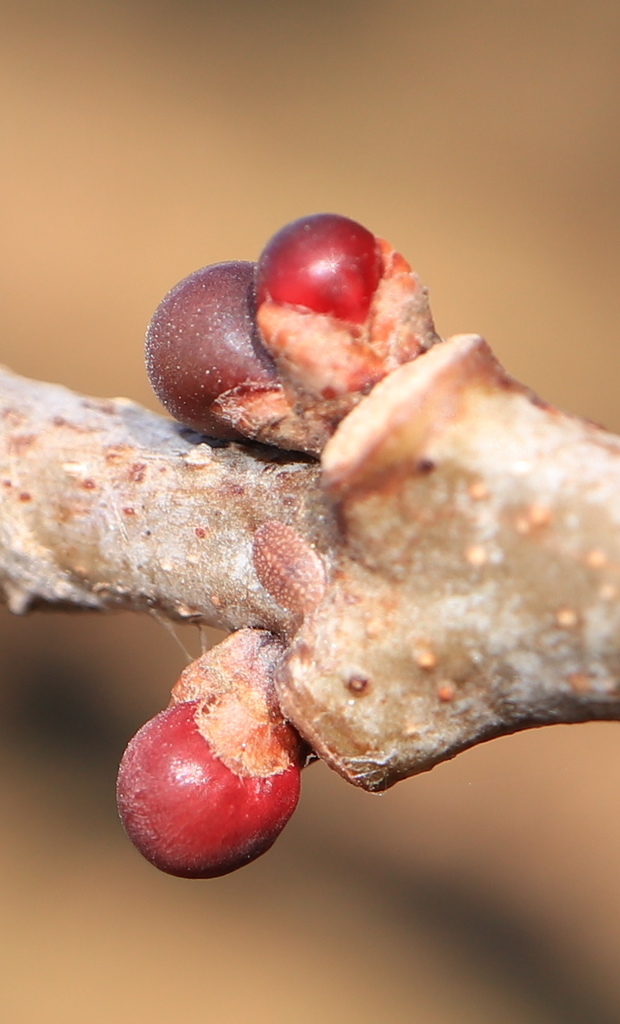
Die einzigartigen Gallen, die diese Wespen erzeugen, sehen aus wie winzige rötlich-braune Beeren an Eichenblättern!
Adulte Tiere fressen selten, aber Larven fressen nährstoffreiches Pflanzengewebe aus ihren Eichengallen.
Altersunterschiede: Adulte Wespen trinken möglicherweise Nektar, aber die Larven ernähren sich ausschließlich von den inneren Geweben der Gallen, die sie an Eichenbäumen hervorrufen.
Einzelgänger leben den größten Teil ihres Lebens allein und interagieren mit Artgenossen nur zur Paarung oder zur Aufzucht der Jungen.
Dieses Merkmal kennzeichnet Lebewesen, deren Ernährung vollständig oder hauptsächlich aus pflanzlichem Material besteht.
Waldlebensräume sind terrestrische Lebensräume, die von dichtem Baumbestand dominiert werden und eine große Vielfalt an Pflanzen- und Tierarten beherbergen.
Bezieht sich auf Arten, die deutlich kleiner sind als der Durchschnitt oder das Typische ihrer Art.
Beschreibt eine Art, deren Anwesenheit und Rolle einen unverhältnismäßig großen Einfluss auf ihre Umwelt haben.
Beschreibt Organismen, die Pollen übertragen und so die Befruchtung und Fortpflanzung von Pflanzen ermöglichen.
Noch keine Alternativnamen vorhanden.
Gefahr
1/5 · Sehr gering
Immer nur schauen, aber die Gallen an Bäumen nicht berühren, da sie Heime für winzige Insekten sind.
Achte auf sechs Beine, Fühler, drei Körperabschnitte und die Form der Flügel. Käfer haben gehärtete Vorderflügel, Fliegen nur ein funktionierendes Flügelpaar. Winzige Insekten müssen oft aus der Nähe betrachtet werden, bevor ihre Gruppe klar wird. Insekten bestimmen: Lade ein Foto hoch und vergleiche die sichtbaren Merkmale.
3-5 mm
1.5-3 mm
7-20 Tage
Adulte Tiere fressen selten, aber Larven fressen nährstoffreiches Pflanzengewebe aus ihren Eichengallen.
Wälder
6
Zoome hinein, um Cluster aufzulösen und zu sehen, wo dieses Objekt fotografiert wurde.
Neueste Snaps erscheinen hier, wenn neue Beobachtungen hinzukommen.
Nimm die Entdeckung mit
Fotografiere deinen Fund mit Snappit, bestimme die Art und füge die Entdeckung deiner Sammlung hinzu.