





Nyctoporis
Nyctoporis
Nyctoporis sind faszinierende Insekten, die oft an dunklen, feuchten Orten zu finden sind. Sie haben einzigartige Formen und Farben, die ihnen helfen, sich ihrer Umgebung anzupassen.
Lebensraum: Wälder
Die Nyctoporis ist ein mittelgroßer Schwarzkäfer, typischerweise schwarz oder dunkelbraun, oft mit einem robusten, ovalen Körper und einem rauen, strukturierten Exoskelett. Ihre Oberfläche kann matt oder fein gerillt erscheinen, was ihr hilft, sich ihrer trockenen, erdigen Umgebung anzupassen.
Kategorie
InsektenSeltenheit
Common
Gefahr
1/5 · Sehr gering
Snaps
Mach den ersten Snap!
Viele Nyctoporis haben holprige, geformte Panzer, die einzigartig für ihre Art sind!
Nyctoporis-Larven können Jahre unter der Erde verbringen, bevor sie als erwachsene Käfer schlüpfen!
Diese Käfer sind die Recycler der Natur, die abgestorbene Pflanzen fressen, um Wälder sauber zu halten!
Wenn sie Angst haben, erstarren Nyctoporis oft vollständig und tun so, als wären sie ein lebloser Kieselstein!
Nyctoporis hat ein unglaublich hartes Exoskelett, das ihnen hilft, Fressfeinden und rauen Bedingungen in ihren trockenen Lebensräumen zu widerstehen.
Nyctoporis können Nahrung finden und sich im Dunkeln orientieren, dank ihrer spezialisierten Fühler, was ihnen hilft, Tagfressfeinde und extreme Hitze zu vermeiden.
Nyctoporis können winzige Mengen Wasser direkt aus feuchter Luft oder dem Boden aufnehmen, dank ihrer wachsartigen Kutikula, was ihnen hilft, in Wüsten zu überleben.
Nyctoporis-Käfer sind die winzigen Recycler der Natur, die sich von abgestorbenen Pflanzen und Pilzen ernähren.
Altersunterschiede: Larven ernähren sich ebenfalls von verrottendem Pflanzenmaterial, das im Boden gefunden wird.
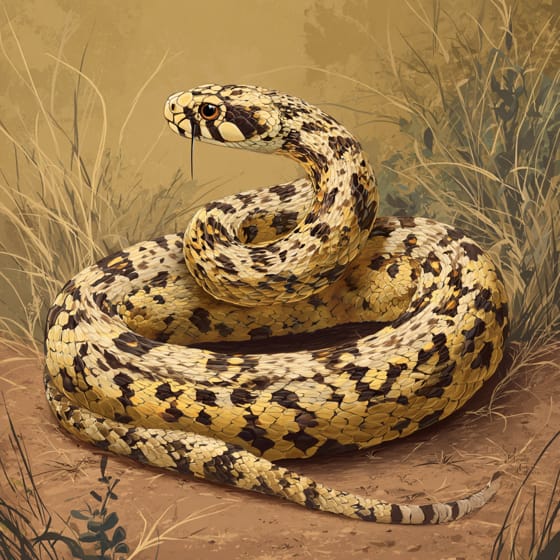
Pituophis catenifer
Schlangen jagen diese Käfer oft zwischen Steinen und Geröll.
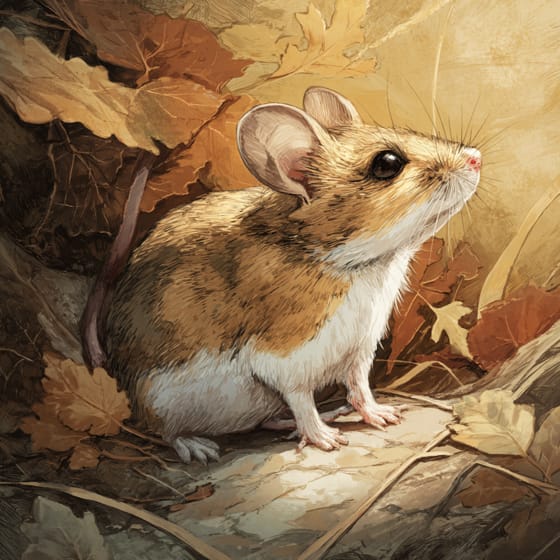
Peromyscus maniculatus
Mäuse suchen nachts unter Deckung nach Käfern.
Quercus agrifolia
Ernährt sich von verrottenden Blättern und Holz von Eichen.
Einzelgänger leben den größten Teil ihres Lebens allein und interagieren mit Artgenossen nur zur Paarung oder zur Aufzucht der Jungen.
Getarnt beschreibt Organismen, die über eine Färbung oder Musterung verfügen, durch die sie mit ihrer Umgebung verschmelzen.
Waldlebensräume sind terrestrische Lebensräume, die von dichtem Baumbestand dominiert werden und eine große Vielfalt an Pflanzen- und Tierarten beherbergen.
Beschreibt Organismen, die totes organisches Material abbauen und Nährstoffe in das Ökosystem zurückführen.

Bezieht sich auf Arten, die deutlich kleiner sind als der Durchschnitt oder das Typische ihrer Art.

Nachtaktive Tiere sind hauptsächlich in den Nachtstunden aktiv und ruhen oder schlafen normalerweise tagsüber.

Beschreibt Organismen, die Pollen übertragen und so die Befruchtung und Fortpflanzung von Pflanzen ermöglichen.
Noch keine Alternativnamen vorhanden.
Gefahr
1/5 · Sehr gering
Seien Sie vorsichtig und vermeiden Sie es, Insekten zu berühren, es sei denn, Sie wissen, dass sie ungefährlich sind.
Der einfachste Weg, Nyctoporis zu bestimmen, ist die Verwendung der Naturführer-App Snappit.
5-20 mm
180-365 Tage
Nyctoporis-Käfer sind die winzigen Recycler der Natur, die sich von abgestorbenen Pflanzen und Pilzen ernähren.
Wälder
Futtersuche
6
Zoome hinein, um Cluster aufzulösen und zu sehen, wo dieses Objekt fotografiert wurde.
Neueste Snaps erscheinen hier, wenn neue Beobachtungen hinzukommen.
Nimm die Entdeckung mit
Fotografiere deinen Fund mit Snappit, bestimme die Art und füge die Entdeckung deiner Sammlung hinzu.









.jpg&width=800)



