





Orthodes noverca
Orthodes noverca
Die Orthodes noverca, auch bekannt als 'Perlmuttmotte', ist ein wunderschönes Insekt mit glänzenden Flügeln. Sie fliegt gerne in Gärten und auf Feldern herum, besonders nachts, wenn sie nach Blüten sucht, um Nektar zu trinken.
Lebensraum: Gärten und Felder
Die Orthodes noverca ist eine kleine, gedrungene Motte mit gesprenkelten bräunlich-grauen Vorderflügeln. Sie weist oft ein dunkleres, unregelmäßiges Mittelband und einen deutlichen nierenförmigen Fleck, ein Reniform-Stigma, nahe der Mitte auf. Ihre Hinterflügel sind heller und etwas durchscheinend.
Kategorie
InsektenSeltenheit
Common
Gefahr
1/5 · Sehr gering
Snaps
Mach den ersten Snap!
Selbst im Winter überleben einige dieser Motten als Puppen und warten auf den Frühling!
Ihre Raupen verstecken sich oft, indem sie Blätter einrollen, um ein gemütliches, sicheres Versteck zu bauen.
Das Wort 'noverca' in ihrem Namen bedeutet im Lateinischen 'Stiefmutter'!
Diese Motte gehört zu einer Familie, in der viele Mitglieder 'Ohren' haben, um Fledermäuse zu hören!
Orthodes noverca kann perfekt mit Baumrinde verschmelzen, da ihre gesprenkelten braunen Flügel ihnen helfen, sich tagsüber vor Raubtieren zu verstecken.
Orthodes noverca kann Blüten im Dunkeln finden, da sie empfindliche Antennen besitzt, die schwache chemische Düfte wahrnehmen und ihr so helfen, Nektarquellen zu lokalisieren.
Orthodes noverca kann schnell vor Gefahren davonhuschen, da ihre kräftigen Flügelmuskeln agile Fluchtmanöver im Flug ermöglichen.
Raupen fressen an verschiedenen Pflanzen, während erwachsene Motten süßen Blütennektar trinken.
Altersunterschiede: Larven fressen Blätter und Stängel; erwachsene Tiere trinken Nektar.
Myotis lucifugus
Fledermäuse jagen Motten nachts mithilfe von Echoortung.
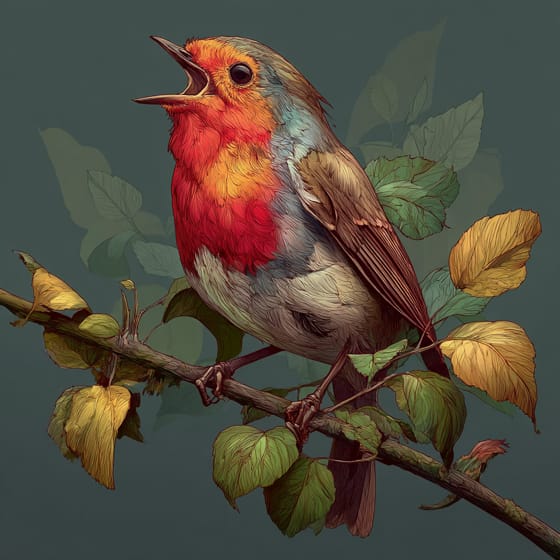
Turdus migratorius
Vögel können tagsüber ruhende Motten jagen.
Solidago canadensis
Erwachsene besuchen Blüten wie Goldrute für Nektar.
Poa pratensis
Ihre Raupen ernähren sich von verschiedenen Grasarten.
Beschreibt Pflanzen, die für eine Vielzahl von bestäubenden Organismen besonders attraktiv und nützlich sind.
Farbenfroh beschreibt Organismen oder Objekte, die eine große Vielfalt an leuchtenden und deutlich erkennbaren Farben aufweisen.
Dieses Merkmal kennzeichnet Lebewesen, deren Ernährung vollständig oder hauptsächlich aus pflanzlichem Material besteht.
Nachtaktive Tiere sind hauptsächlich in den Nachtstunden aktiv und ruhen oder schlafen normalerweise tagsüber.

Beschreibt Organismen, die Pollen übertragen und so die Befruchtung und Fortpflanzung von Pflanzen ermöglichen.
Gefahr
1/5 · Sehr gering
Motten sind normalerweise sicher zu beobachten, aber berühren Sie sie nicht, da sie empfindlich sein können.
Der einfachste Weg, Orthodes noverca zu bestimmen, ist die Verwendung der Naturführer-App Snappit.
25-30 mm
15-25 mm
30-60 Tage
8 km/h
Raupen fressen an verschiedenen Pflanzen, während erwachsene Motten süßen Blütennektar trinken.
Gärten und Felder
Futtersuche
Zoome hinein, um Cluster aufzulösen und zu sehen, wo dieses Objekt fotografiert wurde.
Neueste Snaps erscheinen hier, wenn neue Beobachtungen hinzukommen.
Nimm die Entdeckung mit
Fotografiere deinen Fund mit Snappit, bestimme die Art und füge die Entdeckung deiner Sammlung hinzu.









.jpg&width=800)



