




Pachycephalosaurus
Pachycephalosaurus wyomingensis
Pachycephalosaurus war ein prähistorischer Dinosaurier, bekannt für seine besonderen Merkmale. Wissenschaftler untersuchen seine Knochen, um mehr über das Leben der Dinosaurier zu erfahren.
Lebensraum: Mesozoische Wälder und Auen
Der Pachycephalosaurus ist ein zweibeiniger Dinosaurier, der durch seinen riesigen, knöchernen, kuppelförmigen Schädel, der bis zu 25 cm dick war, definiert ist. Er hatte einen relativ kurzen, dicken Hals und einen stacheligen Kranz um die Basis seiner Schädelkuppel, mit kleinen hornartigen Höckern auf seiner Schnauze.
Kategorie
AncientSeltenheit
Common
Gefahr
1/5 · Sehr gering
Snaps
Mach den ersten Snap!
Sein superdicker Schädel war fast 25 cm tief!
Pachycephalosaurus bedeutet auf Griechisch 'dickköpfige Echse'!
Wissenschaftler fanden seine Fossilien nur in Nordamerika!
Sie könnten ihre Schädelkuppeln für Kopfstoßwettkämpfe genutzt haben!
Pachycephalosaurus hat einen unglaublich dicken, knöchernen Schädel, der ihm hilft, sein Gehirn zu schützen oder Rivalen zu beeindrucken.
Pachycephalosaurus kann dank seiner starken Beine und seiner robusten Schädelkuppel zur Verteidigung oder Zurschaustellung mit großer Geschwindigkeit angreifen.
Pachycephalosaurus kann sich auf zwei kräftigen Beinen schnell bewegen, was ihm hilft, schnellen Raubtieren zu entkommen.
Dieser Pflanzenfresser-Dinosaurier knabberte an Blättern, Früchten und Samen von niedrig wachsenden Pflanzen.
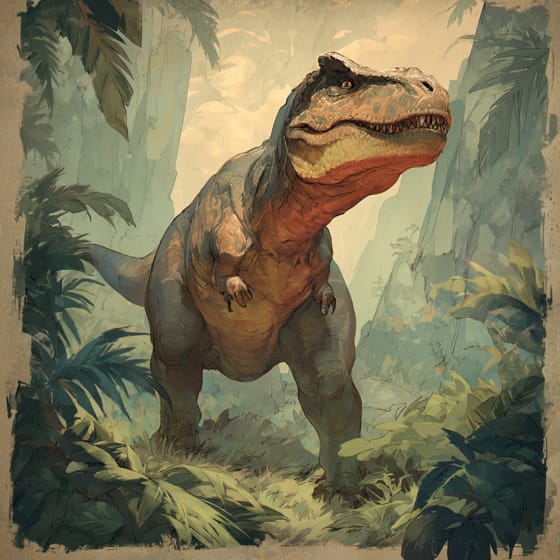
Tyrannosaurus rex
Spitzenprädator in seinem Lebensraum.
Dakotaraptor steini
Großer Raptor, der Jungtiere gejagt haben könnte.
Platanus nobilis
Eine Quelle für verschiedene Blätter und Knospen.
Ein Artefakt ist ein von menschlicher Kultur geschaffener oder veränderter Gegenstand, der typischerweise von historischem oder archäologischem Interesse ist.
Uralt bezieht sich auf Organismen, Objekte oder geologische Formationen, die über einen extrem langen Zeitraum existiert haben.
Ein Fossil ist ein erhaltener Überrest oder eine Spur eines uralten Organismus, eingebettet in Gestein oder andere geologische Ablagerungen.
Gefahr
1/5 · Sehr gering
Obwohl zu ihrer Zeit extrem gefährlich, ist diese Kreatur heute ausgestorben.
Der einfachste Weg, Pachycephalosaurus zu bestimmen, ist die Verwendung der Naturführer-App Snappit.
4.5-5 m
400-475 kg
Dieser Pflanzenfresser-Dinosaurier knabberte an Blättern, Früchten und Samen von niedrig wachsenden Pflanzen.
Mesozoische Wälder und Auen
Futtersuche
Late Cretaceous Period
66
Zoome hinein, um Cluster aufzulösen und zu sehen, wo dieses Objekt fotografiert wurde.
Neueste Snaps erscheinen hier, wenn neue Beobachtungen hinzukommen.
Nimm die Entdeckung mit
Fotografiere deinen Fund mit Snappit, bestimme die Art und füge die Entdeckung deiner Sammlung hinzu.