





Paonias
Paonias
Die Paonias ist ein wunderschöner Nachtfalter, bekannt für seine auffälligen Farben und Muster. Er fliegt nachts und besucht gerne Blumen, was ihn zu einem besonderen nachtaktiven Freund in Gärten macht.
Lebensraum: Gärten und Wiesen
Die Paonias-Motte hat kryptisch gemusterte Vorderflügel, oft in Braun- oder Grautönen, die abgestorbene Blätter oder Baumrinde perfekt nachahmen. Ihr auffälligstes Merkmal sind die großen, farbigen 'Augenflecken' auf ihren Hinterflügeln, gewöhnlich leuchtend blau oder gelb, die verborgen bleiben, bis sich die Motte bedroht fühlt.
Kategorie
InsektenSeltenheit
Common
Gefahr
1/5 · Sehr gering
Snaps
Mach den ersten Snap!
Erwachsene Paonias-Motte fressen nicht; sie trinken nur Nektar, um ihren Flug anzutreiben.
Paonias-Motte verbringen den Winter als Puppe unter der Erde, um auf den Frühling zu warten.
Ihre Raupen werden manchmal wegen eines kleinen "Horns" am Schwanzende "Hornwürmer" genannt!
Wenn sie erschreckt werden, heben Paonias-Motte ihre Vorderflügel an, um große, falsche Augen zu enthüllen!
Paonias können schnell verborgene, leuchtende Augenflecken auf ihren Hinterflügeln aufblitzen lassen, die helfen, Raubtiere zu erschrecken und zu verwirren.
Paonias besitzt unglaubliche Vorderflügelmuster, die ihr helfen, sich nahtlos in ihre Umgebung aus Baumrinde und Blättern einzufügen.
Paonias können sehr schnell und präzise fliegen, was ihnen hilft, Bedrohungen zu entkommen und effizient Nektarquellen zu finden.
Erwachsene Paonias-Motte trinken Blütennektar, während ihre Raupen Blätter von verschiedenen Bäumen und Sträuchern fressen.
Altersunterschiede: Larven fressen Blätter; Erwachsene konsumieren nur Nektar von Blumen.
Prunus serotina
Ihre Raupen ernähren sich von den Blättern dieses Baumes.
Betula papyrifera
Paonias-Larven ernähren sich oft vom Laub von Birken.
Salix nigra
Weidenblätter sind eine häufige Nahrungsquelle für junge Raupen.
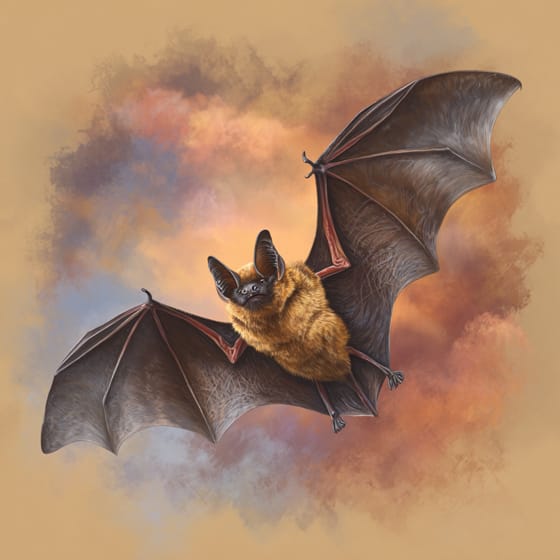
Eptesicus fuscus
Schnell fliegende Motten wie Paonias sind Beute für Fledermäuse.
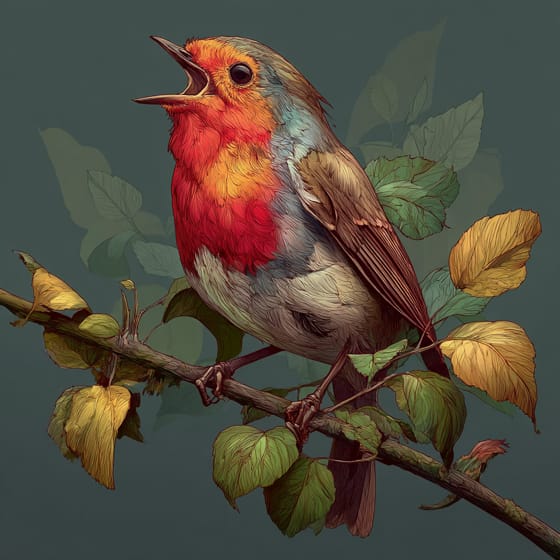
Turdus migratorius
Vögel können tagsüber Paonias-Motte jagen.
Einzelgänger leben den größten Teil ihres Lebens allein und interagieren mit Artgenossen nur zur Paarung oder zur Aufzucht der Jungen.
Luftbewohnende Tiere verbringen einen erheblichen Teil ihres Lebens in der Luft und nutzen den Flug für verschiedene Aktivitäten wie Jagd, Wanderungen oder Nestbau.
Farbenfroh beschreibt Organismen oder Objekte, die eine große Vielfalt an leuchtenden und deutlich erkennbaren Farben aufweisen.
Dieses Merkmal kennzeichnet Lebewesen, deren Ernährung vollständig oder hauptsächlich aus pflanzlichem Material besteht.

Nachtaktive Tiere sind hauptsächlich in den Nachtstunden aktiv und ruhen oder schlafen normalerweise tagsüber.

Beschreibt Organismen, die Pollen übertragen und so die Befruchtung und Fortpflanzung von Pflanzen ermöglichen.
Noch keine Alternativnamen vorhanden.
Gefahr
1/5 · Sehr gering
Nachtfalter sind normalerweise harmlos, aber es ist am besten, sie aus der Ferne zu beobachten und sie nicht anzufassen.
Der einfachste Weg, Paonias zu bestimmen, ist die Verwendung der Naturführer-App Snappit.
50-100 mm
30-50 mm
7-21 Tage
40 km/h
Erwachsene Paonias-Motte trinken Blütennektar, während ihre Raupen Blätter von verschiedenen Bäumen und Sträuchern fressen.
Gärten und Wiesen
Futtersuche
Zoome hinein, um Cluster aufzulösen und zu sehen, wo dieses Objekt fotografiert wurde.
Neueste Snaps erscheinen hier, wenn neue Beobachtungen hinzukommen.
Nimm die Entdeckung mit
Fotografiere deinen Fund mit Snappit, bestimme die Art und füge die Entdeckung deiner Sammlung hinzu.









.jpg&width=800)



