




Paradoxosomatinae
paradoxosomatinae
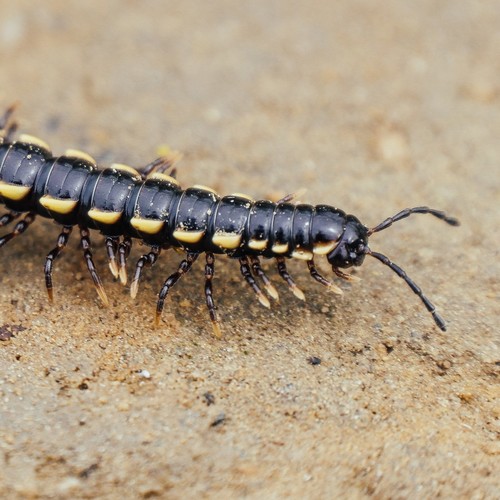
Die Paradoxosomatinae sind eine vielfältige und weit verbreitete Unterfamilie von Tausendfüßern, die zur Ordnung der Polydesmida gehört. Diese faszinierenden Gliederfüßer sind entscheidende Zersetzer in terrestrischen Ökosystemen und spielen eine wichtige Rolle im Nährstoffkreislauf, indem sie totes organisches Material abbauen. Aufgrund ihrer versteckten Lebensweise oft übersehen, stellen sie einen bedeutenden Bestandteil der wirbellosen Bodengemeinschaft in verschiedenen Biomen dar. Ihre segmentierten Körper und oft unauffälligen Färbungen verbergen ein komplexes Leben, das an feuchte, dunkle Umgebungen angepasst ist, was sie zu interessanten Objekten für eine genauere Beobachtung macht.
Lebensraum: Man findet sie hauptsächlich in feuchten, dunklen Umgebungen, die reich an verrottendem organischem Material sind, wie Laubstreu, unter Baumstämmen, unter Steinen und in den Bodenschichten.
Tausendfüßer der Unterfamilie Paradoxosomatinae haben typischerweise einen abgeflachten oder subzylindrischen Körperbau, gekennzeichnet durch zahlreiche Segmente, gewöhnlich zwischen 18 und 20. Ihre Färbung umfasst häufig Braun-, Schwarz- oder Rotbrauntöne, manchmal mit kontrastierenden helleren Kielen (seitlichen Paranota) entlang der Seiten, die gelblich oder orange sein können. Die Größe variiert im Allgemeinen von 1 bis 5 Zentimetern Länge, mit einem glatten, oft glänzenden Exoskelett. Sie haben keine Flügel und bewegen sich mit einer charakteristischen wellenartigen Bewegung ihrer vielen Beine.
Kategorie
AnimalSeltenheit
Gewöhnlich
Gefahr
1/5 · Sehr gering
Snaps
Mach den ersten Snap!
Trotz ihres Namens „Tausendfüßer“ besitzt keine bekannte Art tatsächlich 1.000 Beine; Paradoxosomatinae haben typischerweise etwa 36-40 Segmente, jedes mit zwei Beinpaaren.
Einige Arten dieser Unterfamilie können bei Störung eine stechende, bitter schmeckende Flüssigkeit aus Drüsen entlang ihres Körpers freisetzen, die als wirksames Abschreckungsmittel gegen Fressfeinde dient.
Ihre segmentierten Körper sind hervorragend an das Durchdringen von Boden und Laubstreu angepasst, wobei ein starkes, flexibles Exoskelett Schutz bietet.
Sie sind entscheidende „Ingenieure“ des Bodens, indem sie ihn belüften und organische Substanz in kleinere Partikel zerlegen, wodurch Nährstoffe für Pflanzen verfügbar gemacht werden.
Tausendfüßer der Unterfamilie Paradoxosomatinae ernähren sich hauptsächlich von verrottendem Pflanzenmaterial, Pilzen und den damit verbundenen Mikroorganismen, die in ihrem Lebensraum vorkommen. Sie spielen eine entscheidende Rolle beim Abbau organischer Substanz.
Fungi
Konsumiert verrottendes organisches Material, einschließlich Pilzhyphen und Sporen.
Staphylinidae
Fressfeinde, die Tausendfüßer fressen und oft in denselben Mikrohabitaten vorkommen.
Plant detritus
Ist auf die Verfügbarkeit von abgefallenen Blättern und anderem Pflanzenmaterial als Nahrungsquelle und Unterschlupf angewiesen.
Various Passeriformes
Diese Tausendfüßer werden von verschiedenen insektenfressenden Vögeln gefressen.
Einzelgänger leben den größten Teil ihres Lebens allein und interagieren mit Artgenossen nur zur Paarung oder zur Aufzucht der Jungen.
Dieses Merkmal kennzeichnet Lebewesen, deren Ernährung vollständig oder hauptsächlich aus pflanzlichem Material besteht.
Waldlebensräume sind terrestrische Lebensräume, die von dichtem Baumbestand dominiert werden und eine große Vielfalt an Pflanzen- und Tierarten beherbergen.
Beschreibt Organismen, die totes organisches Material abbauen und Nährstoffe in das Ökosystem zurückführen.
Nachtaktive Tiere sind hauptsächlich in den Nachtstunden aktiv und ruhen oder schlafen normalerweise tagsüber.
Noch keine Alternativnamen vorhanden.
Sammlungen für dieses Objekt erscheinen hier, wenn weitere Themen hinzugefügt werden.
Gefahr
1/5 · Sehr gering
Noch keine besonderen Sicherheitshinweise.
Beginne mit der Körperform, den Beinen oder Flossen, Fell, Federn oder Schuppen und auffälligen Zeichnungen. Berücksichtige dann Größe, Lebensraum und den Ort, an dem du das Tier gesehen hast. Jungtiere und saisonale Felle können ganz anders aussehen als die bekannten erwachsenen Tiere. Tiere bestimmen: Lade ein Foto hoch und vergleiche die sichtbaren Merkmale.
1-5 cm
0.001-0.005 kg
2-5 Jahre
Tausendfüßer der Unterfamilie Paradoxosomatinae ernähren sich hauptsächlich von verrottendem Pflanzenmaterial, Pilzen und den damit verbundenen Mikroorganismen, die in ihrem Lebensraum vorkommen. Sie spielen eine entscheidende Rolle beim Abbau organischer Substanz.
Man findet sie hauptsächlich in feuchten, dunklen Umgebungen, die reich an verrottendem organischem Material sind, wie Laubstreu, unter Baumstämmen, unter Steinen und in den Bodenschichten.
Futtersuche
20-100
Zoome hinein, um Cluster aufzulösen und zu sehen, wo dieses Objekt fotografiert wurde.
Neueste Snaps erscheinen hier, wenn neue Beobachtungen hinzukommen.
Nimm die Entdeckung mit
Fotografiere deinen Fund mit Snappit, bestimme die Art und füge die Entdeckung deiner Sammlung hinzu.