

Pericallis Steetzii
pericallis steetzii
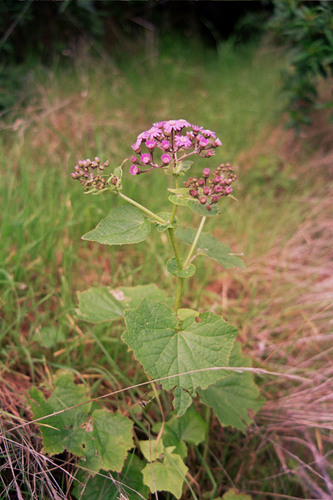
Pericallis Steetzii ist eine faszinierende, strauchartige Staude, die endemisch in den feuchten, nebligen Lorbeerwäldern La Gomeras auf den Kanarischen Inseln vorkommt. Als Mitglied der Familie der Korbblütler spielt diese Pflanze eine entscheidende Rolle im lokalen Ökosystem, indem sie reichlich Nektar für endemische Bestäuber bereitstellt. Ihr üppiges grünes Laub und ihre leuchtenden margeritenähnlichen Blüten machen sie zu einem wahren botanischen Schatz der Makaronesischen Region. Angepasst an hohe Luftfeuchtigkeit und vulkanische Böden, zeigt diese widerstandsfähige Pflanze die unglaubliche evolutionäre Isolation der Flora der Kanarischen Inseln. Oft säumt sie die feuchten, schattigen Wege des Nationalparks Garajonay und begrüßt Wanderer mit ihren weichen Blättern und auffallend bunten Blüten.
Lebensraum: Vorkommend in feuchten Lorbeerwäldern (Laurisilva), feuchten Schluchten und schattigen Felswänden auf La Gomera.
Dieser ausdauernde Strauch wird typischerweise zwischen 50 und 150 Zentimeter hoch und besitzt große, herzförmige bis runde grüne Blätter, die auf der Unterseite auffallend hell und wollig sind. Seine auffälligen Blütenköpfe sind in dichten Büscheln gruppiert und zeigen purpurrosa oder lila Zungenblüten, die eine zentrale Scheibe umgeben, deren Farbe von tiefem Purpur bis leuchtendem Gelb reicht, was einen lebhaften Kontrast zum dunklen Waldesboden bildet.
Kategorie
PflanzenSeltenheit
Gewöhnlich
Gefahr
1/5 · Sehr gering
Snaps
Mach den ersten Snap!
Ihre Gattung, Pericallis, ist der evolutionäre Ursprung der beliebten kultivierten Garten-Cineraria.
Pericallis steetzii ist ein paläo-endemisches Relikt der alten Wälder, die einst vor der letzten Eiszeit das Mittelmeerbecken bedeckten.
Die Blätter besitzen aufgrund der feinen silbrig-weißen Haare auf ihren Unterseiten eine ausgesprochen weiche, samtartige Textur.
Die Unterseite der Blätter ist mit einer dichten Schicht weißer, wolliger Haare bedeckt, die Kondenswasser aus Waldnebeln effizient einfangen und den Wasserverlust reduzieren.
Ausgestattet mit großen, breiten Blättern, die darauf ausgelegt sind, die Photosynthese im tief schattigen Unterwuchs dichter Nebelwälder zu maximieren.
Besitzt ein spezialisiertes Wurzelsystem, das in der Lage ist, sich sicher zu verankern und Nährstoffe aus steilen, instabilen vulkanischen Felswänden zu extrahieren.
Als photoautotrophe Pflanze produziert sie ihre eigene Energie mithilfe von Sonnenlicht, Wasser, Kohlendioxid und essenziellen Bodenmineralien durch Photosynthese.
Bombus canariensis
Bestäubt die Blüten bei der Nektarsuche.
Vanessa vulcania
Ernährt sich von Blütennektar und hilft bei der Bestäubung im Frühling.
Für dieses Objekt sind noch keine Merkmal-Badges vergeben.
Noch keine Alternativnamen vorhanden.
Sammlungen für dieses Objekt erscheinen hier, wenn weitere Themen hinzugefügt werden.
Gefahr
1/5 · Sehr gering
Noch keine besonderen Sicherheitshinweise.
Beginne mit der ganzen Pflanze und vergleiche dann Blattstellung, Blattränder, Stängel und eventuelle Blüten oder Früchte. Gegenständige Blätter wachsen paarweise, wechselständige einzeln am Stängel. Zusammen verraten diese Details weit mehr als ein einzelnes grünes Blatt. Pflanzen bestimmen: Lade ein Foto hoch und vergleiche die sichtbaren Merkmale.
50-150 cm
0.5-3 kg
3-10 Jahre
Als photoautotrophe Pflanze produziert sie ihre eigene Energie mithilfe von Sonnenlicht, Wasser, Kohlendioxid und essenziellen Bodenmineralien durch Photosynthese.
Vorkommend in feuchten Lorbeerwäldern (Laurisilva), feuchten Schluchten und schattigen Felswänden auf La Gomera.
Zoome hinein, um Cluster aufzulösen und zu sehen, wo dieses Objekt fotografiert wurde.
Neueste Snaps erscheinen hier, wenn neue Beobachtungen hinzukommen.
Nimm die Entdeckung mit
Fotografiere deinen Fund mit Snappit, bestimme die Art und füge die Entdeckung deiner Sammlung hinzu.