_sordidus_(10.3897-zookeys.728.20602)_Figure_9.jpg&width=800)





Philolithus sordidus
Philolithus sordidus
Philolithus sordidus ist ein einzigartiges kleines Insekt, das sich gerne im Boden versteckt. Es besitzt eine besondere Art der Tarnung, die es schwer zu entdecken macht! Diese Insekten tragen zur Bodengesundheit bei.
Lebensraum: Wälder
Philolithus sordidus ist ein mittelgroßer Schwarzkäfer, typischerweise matt dunkelbraun bis schwarz. Sein ovaler Körper weist raue, körnige Flügeldecken (Elytren) auf, die oft miteinander verwachsen sind, was ihm ein strukturiertes Aussehen verleiht und ihm hilft, sich in seinen sandigen, trockenen Lebensräumen zu tarnen.
Kategorie
InsektenSeltenheit
Common
Gefahr
1/5 · Sehr gering
Snaps
Mach den ersten Snap!
Baby-Philolithus sordidus sehen aus wie blasse, wurmähnliche Larven, die versteckt im Boden leben!
Viele Schwarzkäfer, wie dieser hier, können nicht fliegen, weil ihre Flügeldecken verwachsen sind!
Sie stellen sich oft 'tot', wenn sie bedroht werden, und liegen vollkommen still, bis die Gefahr vorüber ist!
Dieser Käfer ist hauptsächlich nachts aktiv und huscht unter den Sternen umher, um Nahrung zu finden!
Philolithus sordidus besitzt ein superhartes Exoskelett, das ihm hilft, Stöße und Bisse von Raubtieren in rauen Umgebungen zu überleben.
Philolithus sordidus kann in trockenen, ariden Gebieten überleben, weil seine robusten Körper ihm helfen, wertvolles Wasser zu speichern.
Philolithus sordidus kann abgestorbene Pflanzen und andere organische Materialien zersetzen und so dazu beitragen, Nährstoffe in den Boden zurückzuführen.
Dieser Käfer hilft der Reinigungsmannschaft der Natur, indem er sich von verrottenden Pflanzen und organischen Resten ernährt.
Sceloporus occidentalis
Eine häufige Wüsten-Eidechse jagt oft diese Käfer.
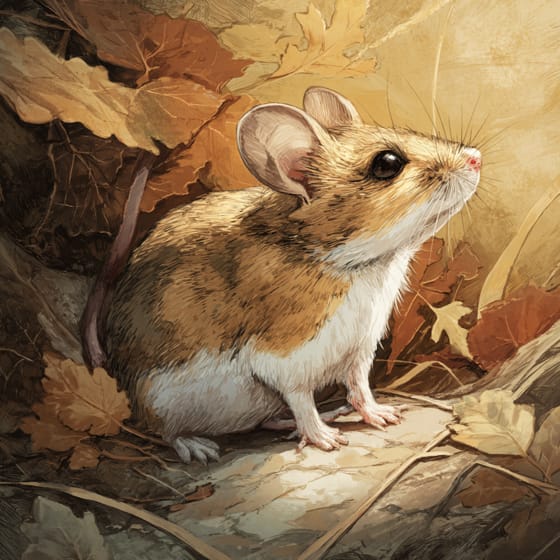
Peromyscus maniculatus
Kleine Nagetiere suchen nach diesen Käfern, besonders nachts.
Falco sparverius
Diese kleinen Falken schnappen sich Käfer vom offenen Boden.
Einzelgänger leben den größten Teil ihres Lebens allein und interagieren mit Artgenossen nur zur Paarung oder zur Aufzucht der Jungen.
Getarnt beschreibt Organismen, die über eine Färbung oder Musterung verfügen, durch die sie mit ihrer Umgebung verschmelzen.
Waldlebensräume sind terrestrische Lebensräume, die von dichtem Baumbestand dominiert werden und eine große Vielfalt an Pflanzen- und Tierarten beherbergen.
Beschreibt Organismen, die totes organisches Material abbauen und Nährstoffe in das Ökosystem zurückführen.

Bezieht sich auf Arten, die deutlich kleiner sind als der Durchschnitt oder das Typische ihrer Art.

Beschreibt eine Art, deren Anwesenheit und Rolle einen unverhältnismäßig großen Einfluss auf ihre Umwelt haben.

Beschreibt Organismen, die Pollen übertragen und so die Befruchtung und Fortpflanzung von Pflanzen ermöglichen.
Noch keine Alternativnamen vorhanden.
Gefahr
1/5 · Sehr gering
Es ist am besten, Insekten aus der Ferne zu beobachten und sie nicht zu berühren, da sie empfindlich sein können.
Der einfachste Weg, Philolithus sordidus zu bestimmen, ist die Verwendung der Naturführer-App Snappit.
5-10 mm
90-365 Tage
Dieser Käfer hilft der Reinigungsmannschaft der Natur, indem er sich von verrottenden Pflanzen und organischen Resten ernährt.
Wälder
Futtersuche
6
Zoome hinein, um Cluster aufzulösen und zu sehen, wo dieses Objekt fotografiert wurde.
Neueste Snaps erscheinen hier, wenn neue Beobachtungen hinzukommen.
Nimm die Entdeckung mit
Fotografiere deinen Fund mit Snappit, bestimme die Art und füge die Entdeckung deiner Sammlung hinzu.









.jpg&width=800)


