

Phyllis Nobla
phyllis nobla
Phyllis Nobla, auch bekannt als Kanaren-Phyllis, ist ein charmanter immergrüner Strauch, der in den feuchten Lorbeerwäldern und an steilen Felshängen Madeiras und der Kanarischen Inseln heimisch ist. Als Mitglied der Kaffeegewächse (Rubiaceae) ist diese widerstandsfähige Pflanze hervorragend an die einzigartigen feuchten Mikroklimata der Makaronesischen Region angepasst. Sie bildet dichte, buschige Büsche mit üppigem grünem Laub, das das ganze Jahr über lebendig bleibt. Oft an Klippen klammernd oder im schattigen Unterholz von Wäldern gefunden, spielt Phyllis Nobla eine entscheidende Rolle bei der Bodenstabilisierung und der Unterstützung der lokalen Biodiversität. Ihre unaufdringliche Schönheit und bemerkenswerte Anpassung an feuchtigkeitsbeladene Winde machen sie zu einem faszinierenden Objekt für Botaniker und Wanderer, die die einzigartige makaronesische Flora erkunden.
Lebensraum: Findet sich in feuchten Lorbeerwäldern (Laurisilva), Felspalten und schattigen Schluchten der Kanarischen Inseln und Madeiras.
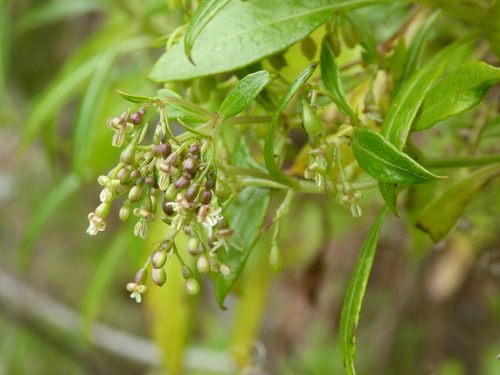
Phyllis Nobla ist ein kleiner bis mittelgroßer Holzstrauch, der typischerweise zwischen 50 und 150 Zentimetern hoch wird. Er besitzt lanzettförmige, hellgrüne Blätter, die gegenständig oder in Quirlen entlang seiner rötlich-braunen, halbholzigen Stängel angeordnet sind. Die Blattränder sind ganzrandig, glatt und leicht gewellt. Während ihrer Blütezeit produziert sie dichte, verzweigte endständige Büschel winziger, unauffälliger Blüten, die grünlich-weiß oder hellgelb gefärbt sind. Diese winzigen Blüten entwickeln sich schließlich zu kleinen, trockenen, zweilappigen Früchten, die für die Windverbreitung angepasst sind.
Kategorie
PflanzenSeltenheit
Gewöhnlich
Gefahr
1/5 · Sehr gering
Snaps
Mach den ersten Snap!
Ihre windbestäubten Blüten haben nicht die farbenfrohen Blütenblätter und den süßen Nektar der meisten ihrer eng verwandten Arten, da sie keine Insektenbestäuber anlocken müssen.
Phyllis Nobla gehört zur Familie der Rubiaceae (Kaffeegewächse), was sie zu einer sehr entfernten Verwandten der kommerziellen Kaffeepflanze macht.
Der Gattungsname 'Phyllis' leitet sich direkt vom griechischen Wort für Blatt ab, eine Anspielung auf ihr üppiges und attraktives immergrünes Laub.
Als photosynthetische Pflanze produziert Phyllis Nobla ihre eigenen Nährstoffe unter Verwendung von Sonnenlicht, Wasser, Kohlendioxid und essentiellen Bodenmineralien.
Laurus novocanariensis
Wächst unter dem Blätterdach des Kanarischen Lorbeers, teilt den feuchten Waldboden und profitiert von dessen Mikroklima.
Gallotia galloti
Die endemische Teneriffa-Eidechse frisst die herabgefallenen Samen und kleinen Früchte des Strauchs und unterstützt so die Samenverbreitung.
Für dieses Objekt sind noch keine Merkmal-Badges vergeben.
Noch keine Alternativnamen vorhanden.
Sammlungen für dieses Objekt erscheinen hier, wenn weitere Themen hinzugefügt werden.
Gefahr
1/5 · Sehr gering
Noch keine besonderen Sicherheitshinweise.
Beginne mit der ganzen Pflanze und vergleiche dann Blattstellung, Blattränder, Stängel und eventuelle Blüten oder Früchte. Gegenständige Blätter wachsen paarweise, wechselständige einzeln am Stängel. Zusammen verraten diese Details weit mehr als ein einzelnes grünes Blatt. Pflanzen bestimmen: Lade ein Foto hoch und vergleiche die sichtbaren Merkmale.
50-150 cm
1-4 kg
5-15 Jahre
Als photosynthetische Pflanze produziert Phyllis Nobla ihre eigenen Nährstoffe unter Verwendung von Sonnenlicht, Wasser, Kohlendioxid und essentiellen Bodenmineralien.
Findet sich in feuchten Lorbeerwäldern (Laurisilva), Felspalten und schattigen Schluchten der Kanarischen Inseln und Madeiras.
Zoome hinein, um Cluster aufzulösen und zu sehen, wo dieses Objekt fotografiert wurde.
Neueste Snaps erscheinen hier, wenn neue Beobachtungen hinzukommen.
Nimm die Entdeckung mit
Fotografiere deinen Fund mit Snappit, bestimme die Art und füge die Entdeckung deiner Sammlung hinzu.