




Phylloxera Caryaemagna
phylloxera caryaemagna
Phylloxera Caryaemagna ist ein winziges Insekt, das es liebt, an den Blättern bestimmter Bäume zu knabbern. Man findet sie oft in Gruppen, fleißig an ihren Lieblingspflanzen arbeitend!
Lebensraum: Sie leben in Wäldern und Gärten, wo ihre Lieblingsbäume wachsen.
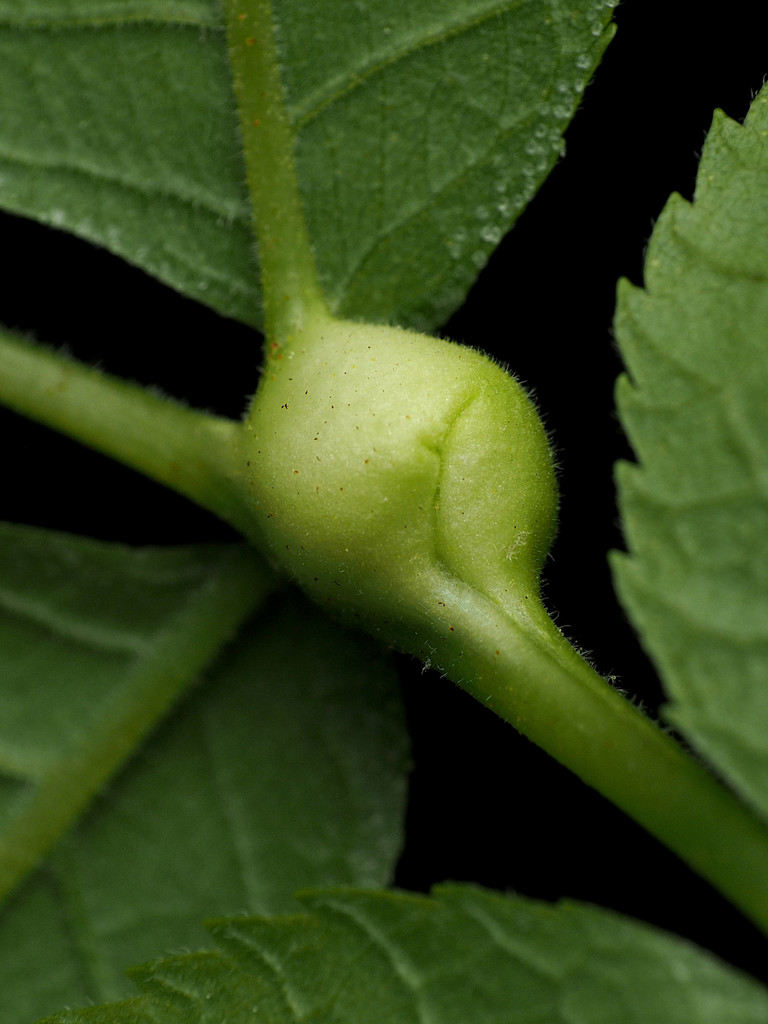
Die Phylloxera Caryaemagna ist ein winziges, weichhäutiges Insekt, typischerweise gelblich bis bräunlich, mit einem ovalen oder birnenförmigen Körper. Ihr auffälligstes Merkmal sind die charakteristischen, warzenartigen Gallen, die sie auf den Blättern von Hickory- und Pekannussbäumen erzeugt und die als beulige Wucherungen erscheinen.
Kategorie
InsektenSeltenheit
Gewöhnlich
Gefahr
1/5 · Sehr gering
Snaps
Mach den ersten Snap!
Jede schützende Galle kann tatsächlich Hunderte dieser winzigen Insekten beherbergen!
Ihre Gallen können auf Baumblättern wie winzige grüne oder rötliche Murmeln aussehen!
Diese winzigen Insekten können dazu führen, dass sich Baumblätter kräuseln und klumpig aussehen.
Sie trinken Saft mit einem langen, nadelartigen Mundwerkzeug, genau wie ein winziger Strohhalm.
Diese winzigen Insekten trinken zuckerhaltigen Saft direkt aus den Blättern von Hickory- und Pekannussbäumen.
Soziale Tiere leben in organisierten Gruppen und kooperieren, um ihr Überleben zu sichern, beispielsweise bei der Nahrungssuche, Verteidigung und Aufzucht der Jungen.
Baumbewohnende Tiere leben hauptsächlich in Bäumen und nutzen diese als Unterschlupf, Nahrungsquelle und zum Schutz vor Raubtieren.
Farbenfroh beschreibt Organismen oder Objekte, die eine große Vielfalt an leuchtenden und deutlich erkennbaren Farben aufweisen.
Dieses Merkmal kennzeichnet Lebewesen, deren Ernährung vollständig oder hauptsächlich aus pflanzlichem Material besteht.
Waldlebensräume sind terrestrische Lebensräume, die von dichtem Baumbestand dominiert werden und eine große Vielfalt an Pflanzen- und Tierarten beherbergen.
Gefahr
1/5 · Sehr gering
Noch keine besonderen Sicherheitshinweise.
Achte auf sechs Beine, Fühler, drei Körperabschnitte und die Form der Flügel. Käfer haben gehärtete Vorderflügel, Fliegen nur ein funktionierendes Flügelpaar. Winzige Insekten müssen oft aus der Nähe betrachtet werden, bevor ihre Gruppe klar wird. Insekten bestimmen: Lade ein Foto hoch und vergleiche die sichtbaren Merkmale.
2-3 mm
1-2 mm
30-60 Tage
Diese winzigen Insekten trinken zuckerhaltigen Saft direkt aus den Blättern von Hickory- und Pekannussbäumen.
Sie leben in Wäldern und Gärten, wo ihre Lieblingsbäume wachsen.
Nahrungssuche
6
Zoome hinein, um Cluster aufzulösen und zu sehen, wo dieses Objekt fotografiert wurde.
Neueste Snaps erscheinen hier, wenn neue Beobachtungen hinzukommen.
Nimm die Entdeckung mit
Fotografiere deinen Fund mit Snappit, bestimme die Art und füge die Entdeckung deiner Sammlung hinzu.