





Porterweeds
stachytarpheta
Porterweeds sind leuchtende Blumen, die Schmetterlinge und Bienen anziehen! Sie können hochwachsen und wunderschöne violette Blüten haben, die sie zu einem Vergnügen machen, in Gärten zu entdecken.
Lebensraum: Porterweeds wachsen in Gärten, auf Feldern und an Straßenrändern in warmen Gebieten.
Die Porterweeds hat schlanke, oft aufrechte Ähren, die mit vielen kleinen, leuchtend blauen oder violetten Blüten geschmückt sind, die sich jeweils nur wenige gleichzeitig öffnen. Ihre Blätter sind typischerweise grün, manchmal leicht gezahnt, und bilden eine buschige Pflanze.
Kategorie
PflanzenSeltenheit
Common
Gefahr
0/5 · Keine bekannte Gefahr
Snaps
Mach den ersten Snap!
Schmetterlinge sind verrückt nach ihrem Nektar, was sie zu einem beliebten Garten-Snack-Stopp macht!
Jede kleine Blüte blüht typischerweise nur einen Tag lang, dann erscheint eine neue!
Einige Arten sind aufgrund ihrer belebenden traditionellen Verwendung als 'Brasilianischer Tee' bekannt!
Der einzigartige Name 'Porterweed' soll von seiner traditionellen Verwendung als stärkendes Getränk stammen!
Porterweeds können in warmen Gebieten fast das ganze Jahr über blühen, wodurch sie immer Bestäuber anziehen und Samen zur Fortpflanzung produzieren.
Porterweeds enthält Verbindungen, die traditionell die Verdauung fördern und Fieber senken und Menschen helfen, sich bei Krankheit besser zu fühlen.
Porterweeds kann trockenen Bedingungen standhalten, was ihr hilft, an Orten zu überleben, wo Wasser knapp ist.
Porterweeds produziert reichlich Nektar, was dazu beiträgt, viele verschiedene Bestäuber wie Schmetterlinge und Bienen für eine erfolgreiche Fortpflanzung anzuziehen.
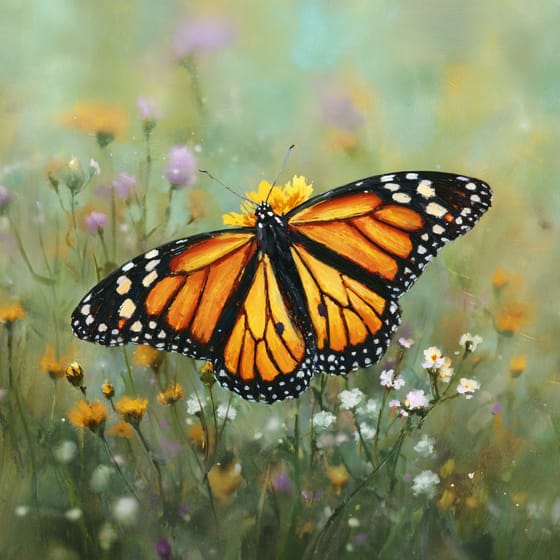
Danaus plexippus
Nippt an Nektar und hilft bei der Pflanzenreproduktion.
Apis mellifera
Sammelt Nektar und Pollen.
Bombus impatiens
Sammelt Nektar und Pollen effizient.
Krautige Pflanzen sind nicht verholzende Pflanzen mit weichen Stängeln, die am Ende der Vegetationsperiode normalerweise bis zum Boden absterben.
Farbenfroh beschreibt Organismen oder Objekte, die eine große Vielfalt an leuchtenden und deutlich erkennbaren Farben aufweisen.
Beschreibt Organismen, die Pollen übertragen und so die Befruchtung und Fortpflanzung von Pflanzen ermöglichen.
Gefahr
0/5 · Keine bekannte Gefahr
Noch keine besonderen Sicherheitshinweise.
Der einfachste Weg, Porterweeds zu bestimmen, ist die Verwendung der Naturführer-App Snappit.
30-150 cm
30-100 cm
0.5-1.5 cm
Year-round tropical
Nein
Keine
Mehrjährig
Zoome hinein, um Cluster aufzulösen und zu sehen, wo dieses Objekt fotografiert wurde.
Neueste Snaps erscheinen hier, wenn neue Beobachtungen hinzukommen.
Nimm die Entdeckung mit
Fotografiere deinen Fund mit Snappit, bestimme die Art und füge die Entdeckung deiner Sammlung hinzu.









.jpg&width=800)



_001.jpg&width=800)




