


Pristepyris
Pristepyris
Pristepyris ist ein einzigartiges Insekt, das sich gerne in Blättern und Blumen versteckt. Es hat leuchtende Farben, die ihm helfen, sich an die Natur anzupassen, was es zu einer lustigen kleinen Kreatur macht, die man entdecken kann!
Lebensraum: Wälder
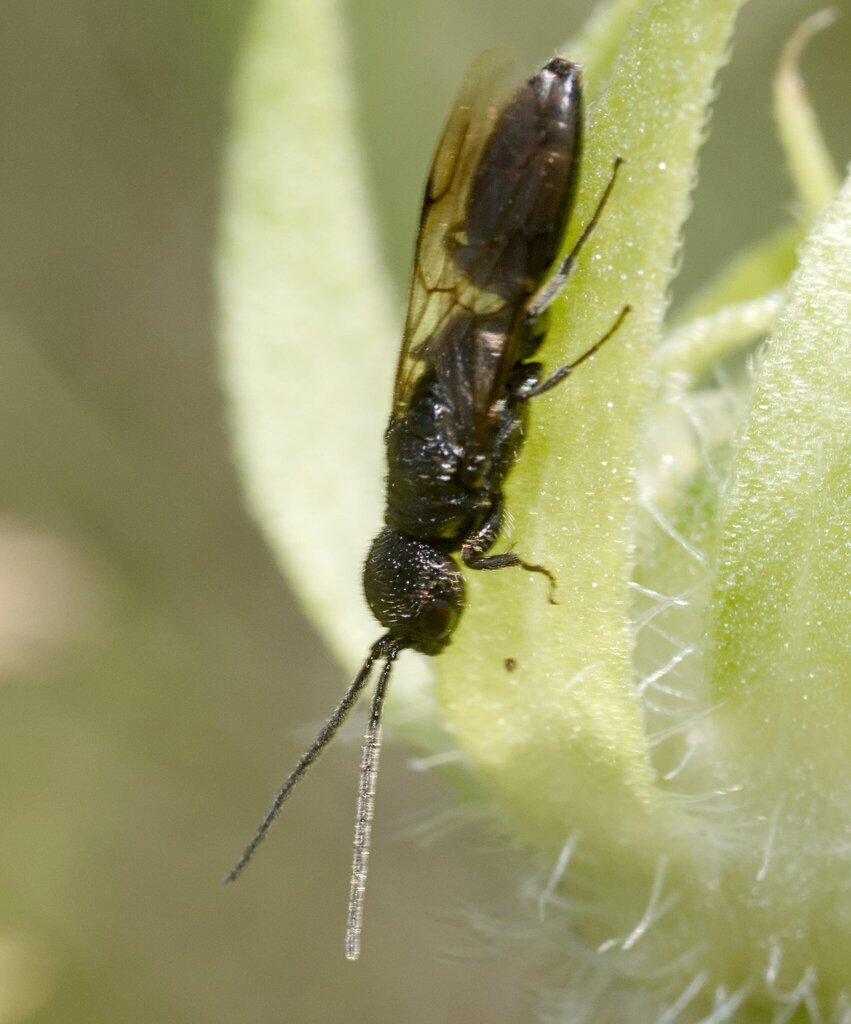
Die Pristepyris ist eine schlanke, dunkelbraune Wespe, die oft glänzend schwarz oder bräunlich-schwarz erscheint. Weibchen können vollständig flügellos sein oder sehr kurze Flügel besitzen, was scharf mit den voll geflügelten Männchen kontrastiert, und beide Geschlechter haben deutliche Antennen.
Kategorie
InsektenSeltenheit
Gewöhnlich
Gefahr
1/5 · Sehr gering
Snaps
Mach den ersten Snap!
Baby-Pristepyris wachsen, indem sie ihren Wirt von innen heraus fressen!
Anstatt zu fliegen, gehen viele weibliche Pristepyris wie Ameisen, um ihre versteckte Beute zu finden!
Einige Pristepyris-Mütter können nur ein Ei auf einer einzigen Käferlarve ablegen!
Diese winzigen Wespen sind erfahrene Detektive, die holzbohrende Käfer in Ihrem Haus aufspüren!
Pristepyris-Larven schlemmen paralysierte Insektenlarven, hauptsächlich Käferlarven, die ihre Mutter findet.
Altersunterschiede: Larven fressen ihre Wirte; Adulte können Nektar oder Wasser trinken.

Stegobium paniceum
Pristepyris parasitiert seine Larven.
Lasioderma serricorne
Die Wespe zielt auf seine Larven als Wirte ab.
Argiope aurantia
Adulte Wespen können in ihren Netzen zur Beute werden.

Parus major
Nahrung suchende Vögel könnten adulte Wespen fressen.
Einzelgänger leben den größten Teil ihres Lebens allein und interagieren mit Artgenossen nur zur Paarung oder zur Aufzucht der Jungen.
Beschreibt Pflanzen, die für eine Vielzahl von bestäubenden Organismen besonders attraktiv und nützlich sind.
Farbenfroh beschreibt Organismen oder Objekte, die eine große Vielfalt an leuchtenden und deutlich erkennbaren Farben aufweisen.
Getarnt beschreibt Organismen, die über eine Färbung oder Musterung verfügen, durch die sie mit ihrer Umgebung verschmelzen.
Dieses Merkmal kennzeichnet Lebewesen, deren Ernährung vollständig oder hauptsächlich aus pflanzlichem Material besteht.
Waldlebensräume sind terrestrische Lebensräume, die von dichtem Baumbestand dominiert werden und eine große Vielfalt an Pflanzen- und Tierarten beherbergen.
Bezieht sich auf Arten, die deutlich kleiner sind als der Durchschnitt oder das Typische ihrer Art.
Tagaktive Tiere sind hauptsächlich bei Tageslicht aktiv und ruhen oder schlafen in der Regel nachts.
Beschreibt Organismen, die Pollen übertragen und so die Befruchtung und Fortpflanzung von Pflanzen ermöglichen.
Noch keine Alternativnamen vorhanden.
Gefahr
1/5 · Sehr gering
Immer schauen, aber Insekten nicht berühren, es sei denn, Sie wissen, dass sie sicher sind!
Achte auf sechs Beine, Fühler, drei Körperabschnitte und die Form der Flügel. Käfer haben gehärtete Vorderflügel, Fliegen nur ein funktionierendes Flügelpaar. Winzige Insekten müssen oft aus der Nähe betrachtet werden, bevor ihre Gruppe klar wird. Insekten bestimmen: Lade ein Foto hoch und vergleiche die sichtbaren Merkmale.
4-10 mm
2-6 mm
10-30 Tage
2 km/h
Pristepyris-Larven schlemmen paralysierte Insektenlarven, hauptsächlich Käferlarven, die ihre Mutter findet.
Wälder
Hinterhalt
Zoome hinein, um Cluster aufzulösen und zu sehen, wo dieses Objekt fotografiert wurde.
Neueste Snaps erscheinen hier, wenn neue Beobachtungen hinzukommen.
Nimm die Entdeckung mit
Fotografiere deinen Fund mit Snappit, bestimme die Art und füge die Entdeckung deiner Sammlung hinzu.