





Pristoceuthophilus
Pristoceuthophilus
Pristoceuthophilus ist eine spezielle Art von Heuschrecke, die sich gerne im Gras und in Blättern versteckt. Sie haben lange Antennen und machen leise Geräusche, die nachts zu hören sind.
Lebensraum: Grasländer
Der Pristoceuthophilus ist ein mittelgroßes, flügelloses Insekt mit einem charakteristisch gebuckelten, oft glänzenden, hell- bis dunkelbraunen Körper. Seine auffälligsten Merkmale sind seine extrem langen, fadenförmigen Antennen, die ein Vielfaches seiner Körperlänge erreichen können, und kräftige, gebogene Hinterbeine zum Springen. Im Gegensatz zu echten Grillen fehlt ihm die Fähigkeit zu zirpen.
Kategorie
InsektenSeltenheit
Common
Gefahr
1/5 · Sehr gering
Snaps
Mach den ersten Snap!
Ein Pristoceuthophilus kann ein verlorenes Bein oder eine Antenne im Laufe der Zeit nachwachsen lassen!
Wenn sie erschreckt werden, könnten sie direkt auf Sie springen, was eine ziemliche Überraschung sein kann!
Diese Heuschrecken sind stille Entdecker, sie zirpen nicht wie die meisten anderen Grillen!
Sie bevorzugen es oft, tief unter der Erde in kühlen, feuchten Höhlen und Kellern zu leben.
Diese vielseitigen Esser knabbern an fast allem Organischen, von verrottenden Pflanzen bis hin zu winzigen Insekten!
Tegenaria domestica
Spinnen jagen diese Heuschrecken.
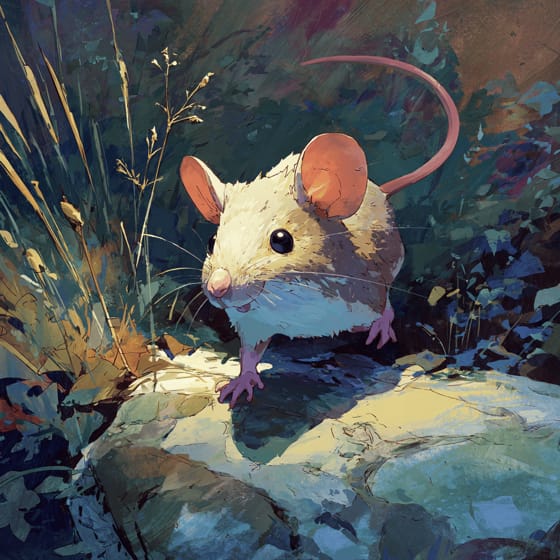
Mus musculus
Mäuse fressen opportunistisch Heuschrecken.
Pleurotus ostreatus
Ernährt sich von verrottenden Pilzen.
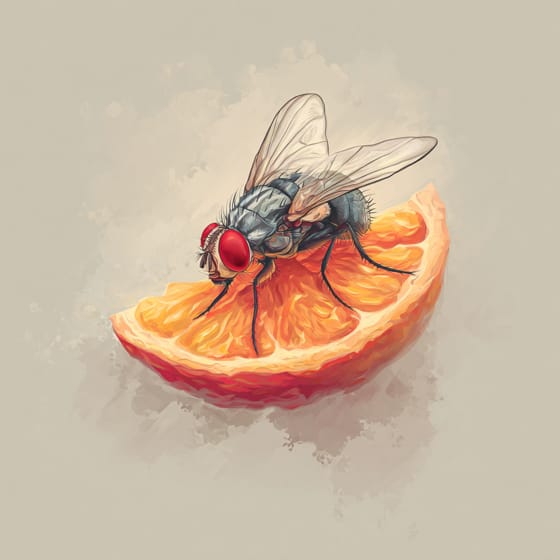
Drosophila melanogaster
Allesfresser fressen kleine Insekten.
Quercus garryana
Verzehrt verrottende Laubstreu.
Einzelgänger leben den größten Teil ihres Lebens allein und interagieren mit Artgenossen nur zur Paarung oder zur Aufzucht der Jungen.
Singende Tiere erzeugen komplexe Lautäußerungen, oft um Partner anzulocken, ihr Revier zu verteidigen oder innerhalb ihrer Art zu kommunizieren.
Getarnt beschreibt Organismen, die über eine Färbung oder Musterung verfügen, durch die sie mit ihrer Umgebung verschmelzen.
Grasland-Lebensräume sind terrestrische Biome, die von Gräsern und krautigen Pflanzen dominiert werden und einer Vielzahl von Weidetieren als Lebensraum dienen.

Dieses Merkmal kennzeichnet Lebewesen, deren Ernährung vollständig oder hauptsächlich aus pflanzlichem Material besteht.

Dieses Merkmal kennzeichnet Lebewesen, die bei der Jagd, Flucht oder Fortbewegung eine außergewöhnliche Schnelligkeit aufweisen.

Nachtaktive Tiere sind hauptsächlich in den Nachtstunden aktiv und ruhen oder schlafen normalerweise tagsüber.
Noch keine Alternativnamen vorhanden.
Gefahr
1/5 · Sehr gering
Seien Sie sanft und leise, wenn Sie Heuschrecken beobachten, damit Sie sie nicht verscheuchen.
Der einfachste Weg, Pristoceuthophilus zu bestimmen, ist die Verwendung der Naturführer-App Snappit.
10-30 mm
400-700 Tage
Diese vielseitigen Esser knabbern an fast allem Organischen, von verrottenden Pflanzen bis hin zu winzigen Insekten!
Grasländer
Futtersuche
6
Zoome hinein, um Cluster aufzulösen und zu sehen, wo dieses Objekt fotografiert wurde.
Neueste Snaps erscheinen hier, wenn neue Beobachtungen hinzukommen.
Nimm die Entdeckung mit
Fotografiere deinen Fund mit Snappit, bestimme die Art und füge die Entdeckung deiner Sammlung hinzu.







.jpg&width=800)




