





Promylea lunigerella
Promylea lunigerella
Die Promylea lunigerella ist ein kleiner, farbenfroher Nachtfalter, der gerne in Gärten und auf Feldern herumflattert. Ihre schönen Flügel sind in Braun- und Gelbtönen zu sehen, was sie zu einem wunderschönen Anblick für Naturliebhaber macht.
Lebensraum: Grasländer
Die Promylea lunigerella ist ein kleiner Nachtfalter mit rotbraunen Vorderflügeln. Jeder Vorderflügel weist eine deutliche, blasse, sichelförmige Markierung auf, die in Dunkelbraun umrandet ist und sich nahe der Mitte befindet. Ihre Hinterflügel sind blasser und gräulich und kontrastieren mit den kräftigeren Farben der Vorderflügel.
Kategorie
InsektenSeltenheit
Common
Gefahr
1/5 · Sehr gering
Snaps
Mach den ersten Snap!
Ihr Name 'lunigerella' bedeutet 'Mondträgerin' und bezieht sich auf die mondähnliche Markierung auf ihren Flügeln!
Larven leben oft heimlich in Pflanzenstängeln und fressen, wo niemand sie sehen kann.
Dieser Nachtfalter fliegt meistens nachts, wird aber manchmal von hellem Licht angezogen, was ihn leichter erkennbar macht!
Im Gegensatz zu einigen Nachtfaltern, die als Erwachsene nicht fressen, könnte diese Art Nektar nippen, genau wie ein Schmetterling!
Die Promylea lunigerella hat subtile braune und sichelförmige Flügelmuster, die ihr helfen, sich nahtlos in Rinde oder trockene Blätter einzufügen und sich vor hungrigen Raubtieren zu verstecken.
Promylea lunigerella-Larven können in Pflanzenstängel und -wurzeln bohren und Nährstoffe sicher verzehren, während sie unterirdisch oder im Pflanzengewebe geschützt sind.
Die Promylea lunigerella nutzt hochsensible Antennen, um Pheromone zu detektieren und im Dunkeln zu navigieren, was ihr hilft, Partner und geeignete Lebensräume bei Nacht zu finden.
Larven fressen Pflanzenwurzeln und -stängel, während Erwachsene süßen Nektar nippen könnten.
Altersunterschiede: Larven ernähren sich von Pflanzengeweben, hauptsächlich Wurzeln und Stängeln, während Erwachsene Nektar von Blüten nippen können.
.jpg&width=800)
Artemisia vulgaris
Larven ernähren sich von seinen Stängeln und Wurzeln.
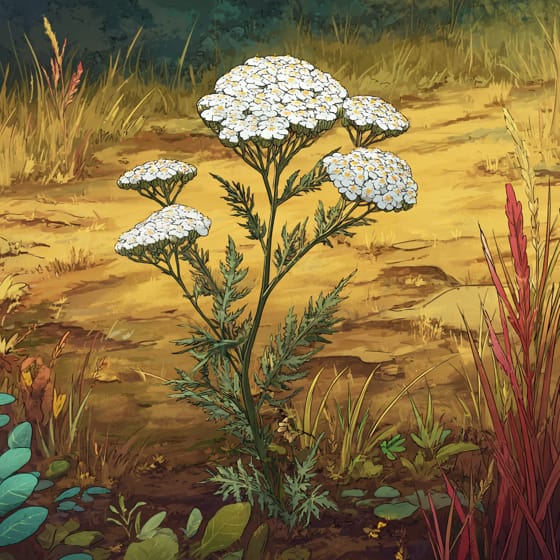
Achillea millefolium
Larven bohren sich in seine Pflanzengewebe zur Nahrungssuche.
Myotis lucifugus
Nachtaktive Fledermäuse jagen erwachsene Nachtfalter während des Fluges.
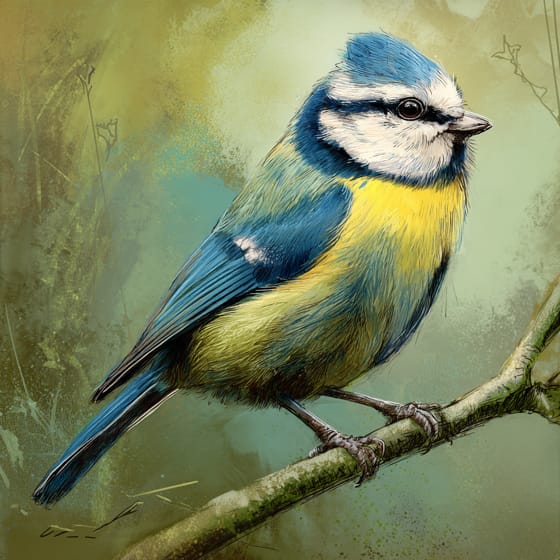
Cyanistes caeruleus
Vögel wie Meisen fangen adulte Nachtfalter als Nahrung.
Mit Flecken oder farblich abgesetzten Bereichen gezeichnet.
Einzelgänger leben den größten Teil ihres Lebens allein und interagieren mit Artgenossen nur zur Paarung oder zur Aufzucht der Jungen.
Beschreibt Pflanzen, die für eine Vielzahl von bestäubenden Organismen besonders attraktiv und nützlich sind.
Farbenfroh beschreibt Organismen oder Objekte, die eine große Vielfalt an leuchtenden und deutlich erkennbaren Farben aufweisen.

Grasland-Lebensräume sind terrestrische Biome, die von Gräsern und krautigen Pflanzen dominiert werden und einer Vielzahl von Weidetieren als Lebensraum dienen.

Dieses Merkmal kennzeichnet Lebewesen, deren Ernährung vollständig oder hauptsächlich aus pflanzlichem Material besteht.

Nachtaktive Tiere sind hauptsächlich in den Nachtstunden aktiv und ruhen oder schlafen normalerweise tagsüber.

Beschreibt Organismen, die Pollen übertragen und so die Befruchtung und Fortpflanzung von Pflanzen ermöglichen.
Noch keine Alternativnamen vorhanden.
Gefahr
1/5 · Sehr gering
Nachtfalter sind normalerweise harmlos, aber es ist am besten, sie aus der Ferne zu beobachten.
Der einfachste Weg, Promylea lunigerella zu bestimmen, ist die Verwendung der Naturführer-App Snappit.
18-25 mm
9-13 mm
7-14 Tage
Larven fressen Pflanzenwurzeln und -stängel, während Erwachsene süßen Nektar nippen könnten.
Grasländer
Futtersuche
6
Zoome hinein, um Cluster aufzulösen und zu sehen, wo dieses Objekt fotografiert wurde.
Neueste Snaps erscheinen hier, wenn neue Beobachtungen hinzukommen.
Nimm die Entdeckung mit
Fotografiere deinen Fund mit Snappit, bestimme die Art und füge die Entdeckung deiner Sammlung hinzu.







.jpg&width=800)



