



Protoceratops
Protoceratops andrewsi
Protoceratops war ein prähistorischer Dinosaurier, bekannt für seine besonderen Merkmale. Wissenschaftler untersuchen seine Knochen, um mehr über das Leben der Dinosaurier zu erfahren.
Lebensraum: Mesozoische Wälder und Auen
Der Protoceratops hat einen robusten, mittelgroßen Körper mit einem großen, knöchernen Nackenschild und einem papageienartigen Schnabel. Ihm fehlten auffällige Gesichtshörner, was ihn von späteren Ceratopsiern unterscheidet. Seine Haut könnte für die Tarnung in erdigen Braun- und Grüntönen gemustert gewesen sein.
Kategorie
AncientSeltenheit
Common
Gefahr
1/5 · Sehr gering
Snaps
Mach den ersten Snap!
Berühmte Fossilien zeigen einen Protoceratops im Kampf mit einem Velociraptor.
Sein Name bedeutet 'erstes Horngesicht', obwohl er überraschenderweise keine Hörner hatte!
Viele Protoceratops-Fossilien wurden zusammen gefunden, was darauf hindeutet, dass sie in Herden lebten.
Wissenschaftler haben fossile Protoceratops-Nester mit Baby-Dinosauriern darin entdeckt.
Protoceratops hat einen breiten knöchernen Nackenschild, der ihm hilft, seinen Hals vor Raubtieren zu schützen.
Protoceratops hat einen starken, papageienartigen Schnabel, der ihm hilft, zähe Wüstenpflanzen abzuzwicken.
Protoceratops hat kräftige Kiefermuskeln und Zähne, die ihm helfen, faserige Vegetation zu zermahlen.
Ein Pflanzenfresser mit einem starken Schnabel zum Abzwicken und Zermahlen zäher Wüstenvegetation.
Tarbosaurus bataar
Ein Hauptraubtier in seinem ariden Lebensraum.
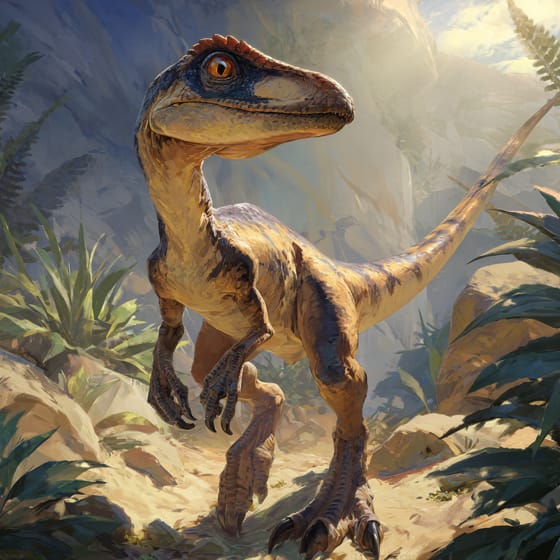
Velociraptor mongoliensis
Jagte junge oder kleinere Protoceratops.
Shamosuchus djadochtaensis
Krokodilverwandter, der Jungtiere auflauerte.
Farbenfroh beschreibt Organismen oder Objekte, die eine große Vielfalt an leuchtenden und deutlich erkennbaren Farben aufweisen.
Ein Artefakt ist ein von menschlicher Kultur geschaffener oder veränderter Gegenstand, der typischerweise von historischem oder archäologischem Interesse ist.
Uralt bezieht sich auf Organismen, Objekte oder geologische Formationen, die über einen extrem langen Zeitraum existiert haben.
Ein Fossil ist ein erhaltener Überrest oder eine Spur eines uralten Organismus, eingebettet in Gestein oder andere geologische Ablagerungen.
Noch keine Alternativnamen vorhanden.
Gefahr
1/5 · Sehr gering
Obwohl zu ihrer Zeit extrem gefährlich, ist diese Kreatur heute ausgestorben.
Der einfachste Weg, Protoceratops zu bestimmen, ist die Verwendung der Naturführer-App Snappit.
1.8-2.5 m
150-400 kg
Ein Pflanzenfresser mit einem starken Schnabel zum Abzwicken und Zermahlen zäher Wüstenvegetation.
Mesozoische Wälder und Auen
Weiden
Cretaceous Period
71
Zoome hinein, um Cluster aufzulösen und zu sehen, wo dieses Objekt fotografiert wurde.
Neueste Snaps erscheinen hier, wenn neue Beobachtungen hinzukommen.
Nimm die Entdeckung mit
Fotografiere deinen Fund mit Snappit, bestimme die Art und füge die Entdeckung deiner Sammlung hinzu.