




Quinoa
Chenopodium quinoa subsp. quinoa
Quinoa ist eine nahrhafte Pflanze, die Menschen essen können. Ihre Samen sind klein und kommen in verschiedenen Farben wie Rot, Weiß und Schwarz vor. Quinoa wächst gut in großen Höhen und ist gut für Sie!
Lebensraum: Bergregionen
Die Quinoa-Pflanze hat einen robusten Stiel, der von Grün bis zu leuchtendem Rot oder Violett reichen kann, gekrönt von großen, oft farbenfrohen, verzweigten Samenständen. Ihre breiten Blätter sind gänsefußförmig und variieren in Grüntönen, Gelb oder Tiefrot, wenn sie reifen, was den Feldern ein auffälliges Aussehen verleiht.
Kategorie
PflanzenSeltenheit
Common
Gefahr
1/5 · Sehr gering
Snaps
Mach den ersten Snap!
Neben den Samen kann man auch die jungen Quinoa-Blätter essen, genau wie Spinat!
Ihre Samen gibt es in vielen Farben: Weiß, Rot, Schwarz, Violett und sogar Orange!
Die NASA betrachtete Quinoa als Superfood für Astronauten auf ihren langen Weltraumreisen!
Quinoa ist kein echtes Getreide, sondern ein "Pseudogetreide", verwandt mit Spinat und Roter Bete!
Quinoa-Samen sind mit einer bitteren Verbindung namens Saponin überzogen, die sie vor hungrigen Vögeln und Insekten schützt.
Quinoa kann in rauen Umgebungen wie großen Höhen, schlechten Böden und sogar bei Dürre gedeihen, dank ihres robusten Wurzelsystems.
Quinoa kann Salz aus dem Boden aufnehmen und in speziellen Blattzellen speichern, was ihr hilft, unter salzigen Bedingungen zu überleben.
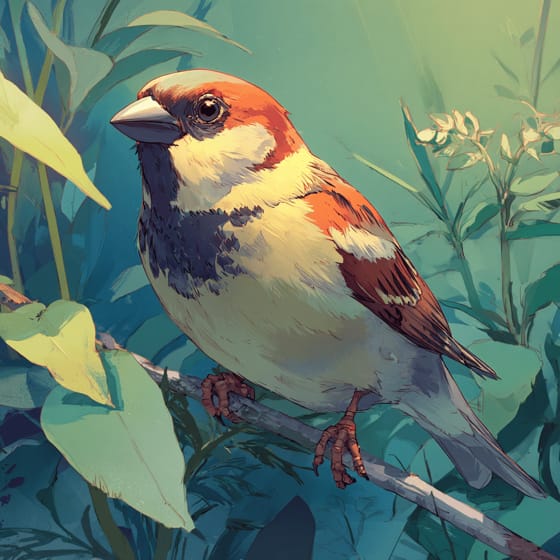
Passer domesticus
frisst ihre proteinreichen Samen
Spodoptera frugiperda
Larven kauen an Blättern und Stängeln
Homo sapiens
für Anbau und Ernte
Dieses Merkmal der menschlichen Nutzung bezeichnet Arten, die als Getreide angebaut und wegen ihrer essbaren, trockenen Samen (Körner) geerntet werden, welche eine wichtige Grundnahrungsquelle darstellen.
Trockenheitstolerante Pflanzen können unter Bedingungen mit begrenzter Wasserverfügbarkeit überleben und gedeihen.
Essbare Pflanzen sind diejenigen Pflanzenteile, die für den menschlichen Verzehr als unbedenklich gelten.
Dieses Lebensraummerkmal kennzeichnet Arten, die in Bergregionen vorkommen, welche sich durch große Höhen, steile Hänge und unterschiedliche Klimazonen auszeichnen.
Gefahr
1/5 · Sehr gering
Quinoa-Pflanzen sind sicher zu berühren und zu essen, wenn sie richtig zubereitet werden.
Der einfachste Weg, Quinoa zu bestimmen, ist die Verwendung der Naturführer-App Snappit.
100-300 cm
30-60 cm
Sommer
Ja
Keine
Einjährig
Wind
Zoome hinein, um Cluster aufzulösen und zu sehen, wo dieses Objekt fotografiert wurde.
Neueste Snaps erscheinen hier, wenn neue Beobachtungen hinzukommen.
Nimm die Entdeckung mit
Fotografiere deinen Fund mit Snappit, bestimme die Art und füge die Entdeckung deiner Sammlung hinzu.









.jpg&width=800)



_001.jpg&width=800)



