

Rabidosa
rabidosa
Die Spinnen der Gattung Rabidosa, allgemein bekannt als Teil der Wolfspinnenfamilie, sind eine faszinierende und äußerst nützliche Gruppe von Spinnentieren, die in Nordamerika heimisch sind. Trotz ihres etwas beunruhigenden wissenschaftlichen Namens – der übersetzt „tollwütig“ bedeutet – tragen diese Spinnen keine Tollwut und sind für den Menschen völlig harmlos. Sie erhielten diesen Beinamen aufgrund ihrer unglaublich schnellen, unregelmäßigen und zuckenden Bewegungen bei der Jagd oder auf der Flucht vor Gefahr. Als aktive Jäger spielen sie eine entscheidende Rolle bei der Kontrolle von Insektenpopulationen in ihren Ökosystemen. Im Gegensatz zu vielen Spinnen spinnen Rabidosa-Arten keine aufwendigen Netze, um ihre Beute zu fangen. Stattdessen verlassen sie sich auf außergewöhnliches Sehvermögen, Tarnung und plötzliche Ausbrüche unglaublicher Geschwindigkeit, um Insekten am Boden zu jagen. Sie sind auch für ihre bemerkenswerten mütterlichen Instinkte bekannt, indem sie ihre Nachkommen vehement vor Raubtieren und Umweltgefahren schützen. Eine Wolfspinnenmutter zu beobachten, wie sie mit ihren Jungen durch das Unterholz navigiert, ist ein beeindruckendes Beispiel für die Elternschaft bei Wirbellosen.
Lebensraum: Typischerweise am Boden in grasbewachsenen Feldern, offenen Laubwäldern, Buschlandschaften und vorstädtischen Rasenflächen anzutreffen, oft Schutz unter Blättern, Steinen oder umgestürzten Baumstämmen suchend.
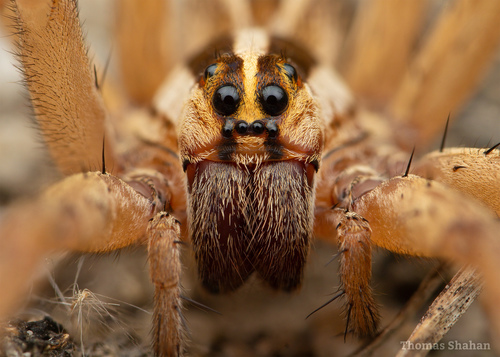
Rabidosa-Spinnen sind robuste und relativ große Spinnentiere, die leicht an den markanten, kontrastreichen Längsstreifen auf ihrem Cephalothorax (Kopf-Brust-Bereich) und Abdomen (Hinterleib) zu erkennen sind. Typischerweise wechseln diese Streifen zwischen Dunkelbraun und einem Hellgelb oder Hellbraun. Wie alle Wolfspinnen besitzen sie acht Augen, die in drei verschiedenen Reihen angeordnet sind, wobei zwei große, nach vorne gerichtete Augen in der mittleren Reihe ihnen ein ausgezeichnetes Sehvermögen verleihen. Weibchen sind im Allgemeinen größer als Männchen und während der Paarungszeit oft dabei zu beobachten, wie sie einen kugelförmigen, gräulichen Seideneisack, der an ihren Spinnwarzen befestigt ist, hinter sich herziehen oder eine dicke Schicht winziger Spinnenkinder auf ihrem Hinterleib tragen.
Kategorie
InvertebrateSeltenheit
Common
Gefahr
1/5 · Sehr gering
Snaps
2
Eine weibliche Wolfspinne ist eine äußerst engagierte Mutter; wenn sie ihren Eisack verliert, sucht sie panisch danach und ist sogar dafür bekannt, fälschlicherweise kleine Kieselsteine an dessen Stelle zu tragen.
Aufgrund ihrer Größe kann man manchmal das Rascheln einer großen Rabidosa-Spinne hören, die sich durch trockenes Laub bewegt, bevor man sie tatsächlich sieht.
Der Name „Rabidosa“ mag alarmierend klingen, aber diese Spinnen tragen keine Tollwut; sie wurden nach ihren unglaublich schnellen, zuckenden Bewegungen benannt.
Sie sind wahre „Wölfe“ der Spinnenwelt; anstatt klebrige Netze zum Fang von Nahrung zu spinnen, pirschen sie aktiv und jagen ihre Beute zu Fuß.
Sie sind aktive, gefräßige Jäger, die sich auf Geschwindigkeit verlassen, um eine Vielzahl von bodenbewohnenden Insekten und kleineren Spinnentieren zu erbeuten.
Altersunterschiede: Spinnenkinder ernähren sich von mikroskopisch kleinen Insekten wie Springschwänzen und Fruchtfliegen und erbeuten mit zunehmender Größe und Häutung immer größere Beutetiere.
Anoplius aethiops
Parasitische Wespen jagen Wolfspinnen aktiv, um sie zu lähmen und als lebende Nahrungsquellen für ihre Larven zu nutzen.
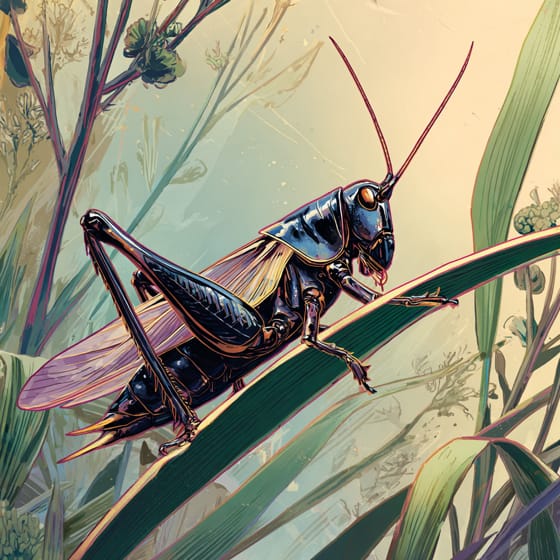
Gryllus pennsylvanicus
Rabidosa-Spinnen helfen, Populationen häufiger bodenbewohnender Feldinsekten zu kontrollieren.
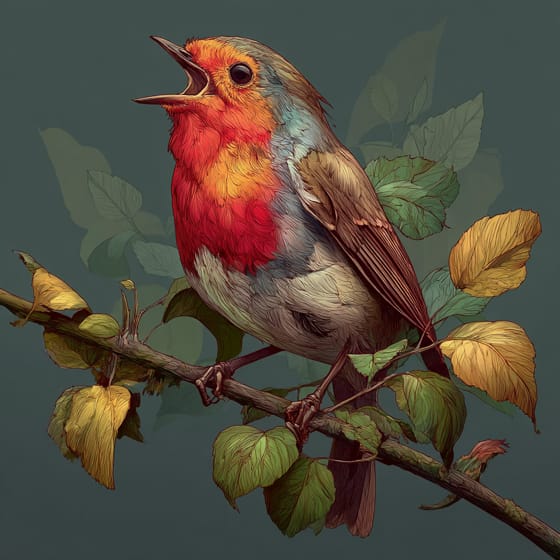
Turdus migratorius
Insektenfressende Vögel verzehren diese großen Spinnen bereitwillig, wenn sie im Laub und Gras auf Nahrungssuche sind.
Für dieses Objekt sind noch keine Merkmal-Badges vergeben.
Noch keine Alternativnamen vorhanden.
Sammlungen für dieses Objekt erscheinen hier, wenn weitere Themen hinzugefügt werden.
Gefahr
1/5 · Sehr gering
Noch keine besonderen Sicherheitshinweise.
Der einfachste Weg, Rabidosa zu bestimmen, ist die Verwendung der Naturführer-App Snappit.
1-3 cm
0.0005-0.002 kg
1-2 Jahre
2 km/h
Sie sind aktive, gefräßige Jäger, die sich auf Geschwindigkeit verlassen, um eine Vielzahl von bodenbewohnenden Insekten und kleineren Spinnentieren zu erbeuten.
Typischerweise am Boden in grasbewachsenen Feldern, offenen Laubwäldern, Buschlandschaften und vorstädtischen Rasenflächen anzutreffen, oft Schutz unter Blättern, Steinen oder umgestürzten Baumstämmen suchend.
Pursuit
Zoome hinein, um Cluster aufzulösen und zu sehen, wo dieses Objekt fotografiert wurde.
Nimm die Entdeckung mit
Fotografiere deinen Fund mit Snappit, bestimme die Art und füge die Entdeckung deiner Sammlung hinzu.