





Rhaphiolepis
rhaphiolepis
Rhaphiolepis ist eine wunderschöne Blütenpflanze, die jeden Garten aufhellen kann! Ihre hübschen Blüten locken Schmetterlinge und Bienen an und machen sie zu einem lustigen Ort für Kinder, um die Natur zu erkunden.
Lebensraum: Rhaphiolepis wächst typischerweise in Gärten, Parks und Naturlandschaften.
Die Rhaphiolepis hat glänzende, dunkelgrüne, ledrige Blätter, oft mit gezackten Rändern. Sie produziert Büschel kleiner, duftender, sternförmiger Blüten, typischerweise weiß oder rosa, gefolgt von kleinen, dunkelblauen bis schwarzen Beeren. Ihr dichtes, immergrünes Laub sorgt ganzjährig für Farbe.
Kategorie
PflanzenSeltenheit
Common
Gefahr
0/5 · Keine bekannte Gefahr
Snaps
Mach den ersten Snap!
Ihre leckeren Beeren sind ein Lieblingssnack für viele verschiedene Vögel!
Neue Rhaphiolepis-Blätter zeigen oft einen wunderschönen rötlich-bronzenen Farbton!
Die Blüten der Pflanze verströmen einen süßen Duft, der summende Bienen anlockt!
Diese erstaunliche Pflanze kann mehrere Jahrzehnte alt werden!
Rhaphiolepis hat zähe, ledrige Blätter, die den Wasserverlust minimieren und ihr helfen, Trockenperioden mit weniger Wasser zu überleben.
Rhaphiolepis kann in Küstengebieten gedeihen, da ihre Wurzeln und Blätter salzigen Boden und Gischt vertragen.
Rhaphiolepis behält ihre Blätter das ganze Jahr über, wodurch sie auch in kälteren Jahreszeiten Photosynthese betreiben kann.
Apis mellifera
besucht ihre duftenden Blüten für Nektar und Pollen
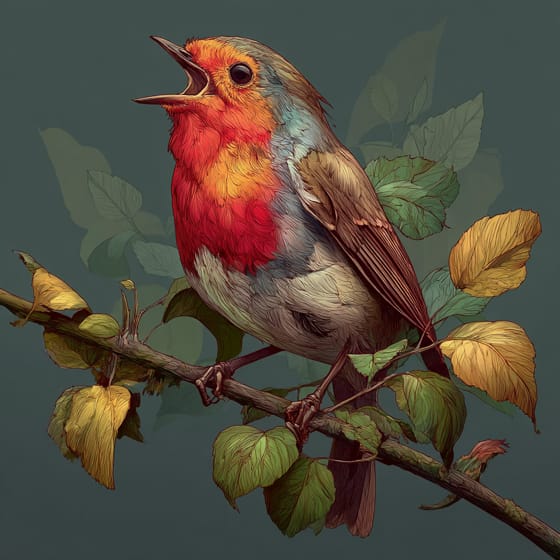
Turdus migratorius
labt sich an den kleinen, dunklen Beeren
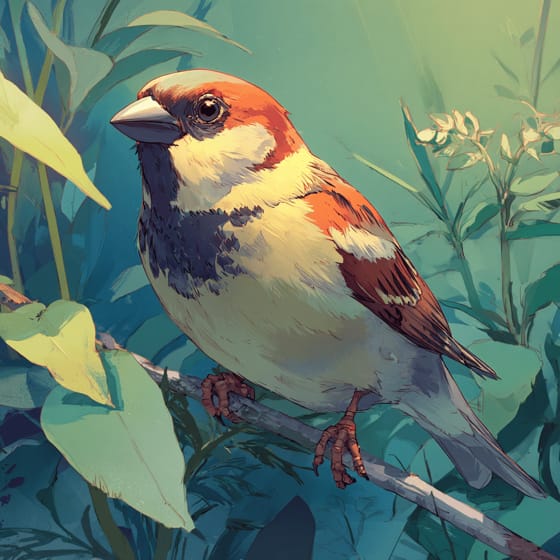
Passer domesticus
nistet oft in ihrem dichten, schützenden Laub
Soziale Tiere leben in organisierten Gruppen und kooperieren, um ihr Überleben zu sichern, beispielsweise bei der Nahrungssuche, Verteidigung und Aufzucht der Jungen.
Farbenfroh beschreibt Organismen oder Objekte, die eine große Vielfalt an leuchtenden und deutlich erkennbaren Farben aufweisen.
Dieses Merkmal kennzeichnet Lebewesen, deren Ernährung vollständig oder hauptsächlich aus pflanzlichem Material besteht.
Waldlebensräume sind terrestrische Lebensräume, die von dichtem Baumbestand dominiert werden und eine große Vielfalt an Pflanzen- und Tierarten beherbergen.

Beschreibt Organismen, die Pollen übertragen und so die Befruchtung und Fortpflanzung von Pflanzen ermöglichen.
Gefahr
0/5 · Keine bekannte Gefahr
Noch keine besonderen Sicherheitshinweise.
Der einfachste Weg, Rhaphiolepis zu bestimmen, ist die Verwendung der Naturführer-App Snappit.
100-200 cm
100-200 cm
1-2 cm
Late Winter to Spring
Ja
Keine
Mehrjährig
Zoome hinein, um Cluster aufzulösen und zu sehen, wo dieses Objekt fotografiert wurde.
Neueste Snaps erscheinen hier, wenn neue Beobachtungen hinzukommen.
Nimm die Entdeckung mit
Fotografiere deinen Fund mit Snappit, bestimme die Art und füge die Entdeckung deiner Sammlung hinzu.








.jpg&width=800)



_001.jpg&width=800)




